
What Are Water Impurities and Why They Matter
TL;DR:
- Water impurities include biological, chemical, physical, and radiological contaminants that affect water quality. These substances can cause health issues and damage skin and hair through long-term exposure or daily contact. Testing water first and using targeted filters can improve water safety and protect personal appearance.
Water impurities are dissolved or suspended substances that alter water’s purity, safety, or sensory qualities. The World Health Organization and the EPA both classify these contaminants into distinct categories, each with different health consequences. For anyone dealing with dry skin, brittle hair, or scalp irritation, the culprit is often the water itself. Understanding what is actually flowing through your pipes is the first step toward doing something about it.
What are the common types and examples of water impurities?
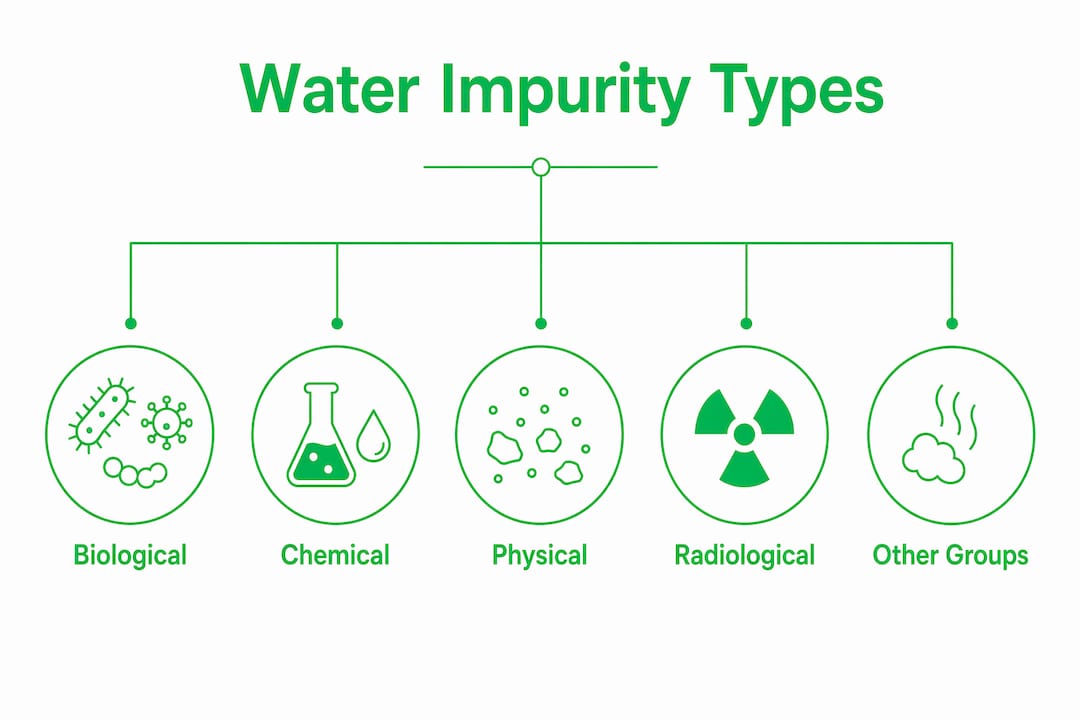
Water contaminants fall into four main categories, according to WHO drinking water guidelines: biological, chemical, radiological, and acceptability factors. Each category carries a different risk profile and requires a different response.
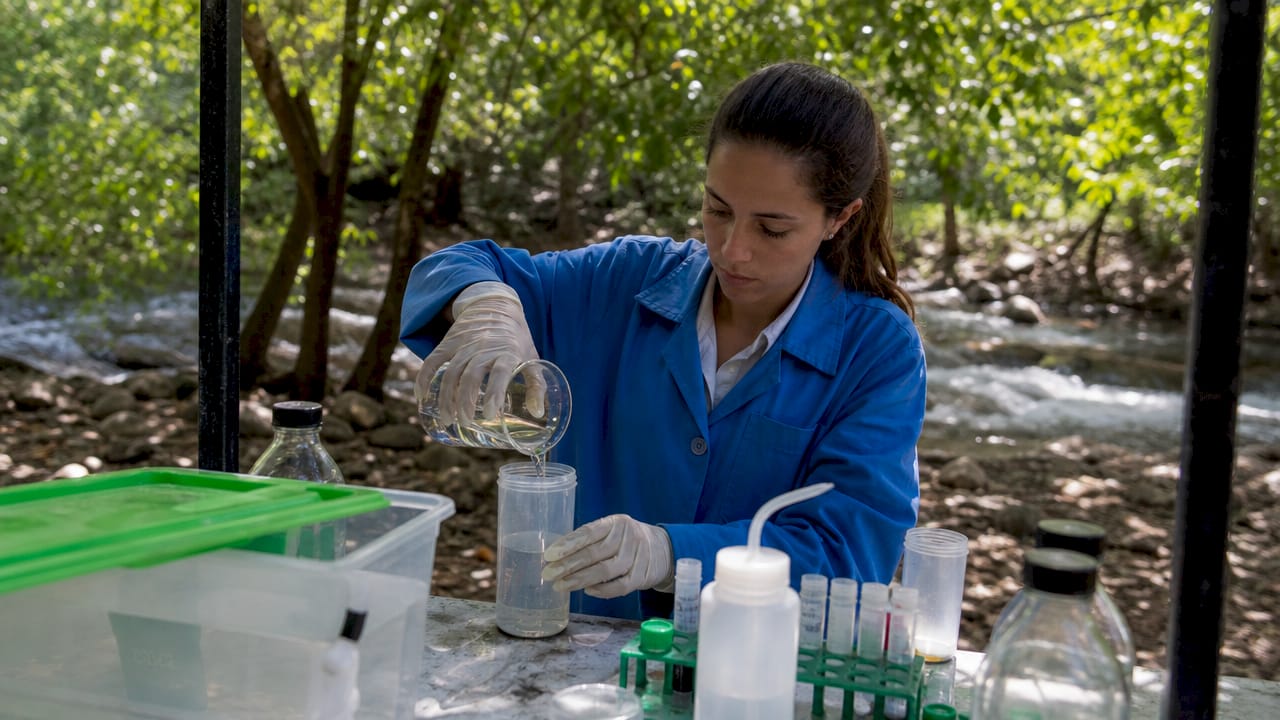
Biological contaminants include microorganisms like E. coli, Giardia, and Cryptosporidium. These cause acute illnesses, most commonly gastrointestinal disease, and are the primary reason public water systems are treated with disinfectants like chlorine.
Chemical contaminants cover a wide range. The EPA identifies lead, arsenic, nitrates, pesticides, and disinfection byproducts like chloroform as key concerns. Lead leaches from older plumbing. Arsenic occurs naturally in groundwater. Nitrates come from agricultural runoff. These chemicals rarely cause immediate symptoms, but long-term exposure links to cancer, endocrine disruption, and developmental problems.
Physical contaminants include total suspended solids such as dust, sand, clay, and particulate matter. Visible turbidity is the most obvious sign of physical contamination. Cloudy water does not always mean dangerous water, but it signals that filtration is incomplete.
Radiological contaminants like radon and uranium occur naturally in some groundwater sources. These are less common in municipal supplies but relevant for people on private wells.
A sixth category worth noting: six contaminant groups relevant to human health include microorganisms, organic micropollutants, heavy metals, nitrate and nitrite, salts and salinity, and plastics. Microplastics are a growing concern, detected in tap water globally, though their long-term health effects are still under study.
| Impurity type | Examples | Common sources |
|---|---|---|
| Biological | E. coli, Giardia | Sewage, animal waste, surface water |
| Chemical | Lead, arsenic, pesticides | Plumbing, groundwater, agriculture |
| Physical | Sediment, turbidity | Soil runoff, aging infrastructure |
| Radiological | Radon, uranium | Natural geological deposits |
| Salts and minerals | Iron, manganese, calcium | Rock dissolution, groundwater |
| Plastics | Microplastics | Industrial and consumer waste |
Pro Tip: If your water leaves orange or red stains in sinks and tubs, iron is likely the cause. Black or gray staining points to manganese. Both are treatable with the right filtration.
How do water impurities affect health, skin, and hair?
Microbial contaminants cause acute illness fast. Chemical contaminants work slowly, and that is what makes them harder to take seriously. The EPA links long-term chemical exposure to cancer, endocrine disruption, and neurological damage. Children are especially vulnerable to lead, which impairs brain development even at low concentrations.
For skin and hair, the damage is more visible and more immediate. Hard water minerals, particularly calcium and magnesium, leave a residue on skin that disrupts the natural moisture barrier. This leads to dryness, tightness, and in sensitive individuals, eczema flares. Chlorine, added to kill bacteria, strips the skin’s natural oils and can cause irritation with daily shower exposure.
Hair responds poorly to mineral buildup too. Hard water damages hair condition by coating the hair shaft with calcium deposits, making strands feel rough, look dull, and break more easily. Chlorine weakens the protein structure of hair over time. People who swim regularly in chlorinated pools often notice this effect first.
The WHO separates health hazards from acceptability issues, which include taste, odor, and appearance. This distinction matters for personal care. A water supply can pass all health safety standards and still cause skin dryness or hair damage because of its mineral content or residual disinfectants. Passing a safety test does not mean the water is good for your skin.
- Chlorine residue: strips skin oils, irritates scalp, weakens hair protein
- Hard water minerals (calcium, magnesium): block moisture absorption, cause dryness and breakouts
- Iron and manganese: stain skin and hair, alter texture
- Nitrates: linked to endocrine disruption with long-term exposure
- Microplastics: emerging concern with unclear but potentially significant skin effects
Pro Tip: If your skin feels tight after showering despite using a good moisturizer, test your water’s hardness before changing your skincare products. The water is often the variable people overlook.
How do you identify water impurities beyond sight and smell?
Most dangerous water contaminants are invisible and odorless. Chemical analysis is required to detect the majority of impurities because sensory clues only reveal obvious problems like turbidity or the rotten-egg smell of hydrogen sulfide. Lead, arsenic, nitrates, and most pesticides have no taste, no color, and no odor at the concentrations that cause harm.
Sensory clues do provide a starting point. Cloudy water suggests suspended solids. A chlorine smell signals disinfectant residue. A metallic taste may indicate iron or copper from pipes. Reddish or brownish discoloration points to iron. These are signals worth investigating, but they are not a complete picture.
A proper water quality assessment involves several steps:
- Start with a basic home test kit. These measure pH, hardness, chlorine, nitrates, and sometimes lead. They are inexpensive and give a useful first read.
- Request a water quality report. Municipal suppliers in the U.S. are required to publish annual Consumer Confidence Reports. These list detected contaminants and their levels.
- Order a certified lab test. For comprehensive results, including heavy metals, pesticides, and microbiological content, a certified laboratory test is the most reliable option.
- Test at the tap, not just the source. Impurities can enter water at the distribution stage, leaching from pipes and plumbing fixtures even after treatment. Testing at the faucet you actually use gives the most accurate picture.
- Repeat testing after any infrastructure changes. Renovations, new plumbing, or changes to your local water supply can alter what comes out of your tap.
The gap between source water quality and tap water quality is real and often underestimated. A catchment-to-consumer framework accounts for every stage where contamination can occur, from the original water source through treatment and all the way through your home’s pipes.
What can you do to reduce water impurities for better skin and hair?
Filtration is the most direct way to reduce exposure to water contaminants at home. The right filter depends on what your water actually contains, which is why testing first matters. That said, certain impurity types are common enough that targeted solutions make sense for most households.
Vitamin C shower filters neutralize chlorine and chloramine on contact. Vitamin C and ceramic filters effectively reduce chlorine and heavy metals, with reported benefits for skin hydration and hair condition. This makes them particularly useful for people with sensitive skin or color-treated hair, where chlorine damage is most visible.
Ceramic filters work by physical filtration, removing sediment, bacteria, and some heavy metals. They are durable and do not require chemical media replacement as frequently. For a multi-stage approach to filtration, combining ceramic and Vitamin C stages addresses both physical and chemical impurities in a single shower unit.
| Filter type | What it removes | Best for |
|---|---|---|
| Vitamin C filter | Chlorine, chloramine | Sensitive skin, color-treated hair |
| Ceramic filter | Sediment, bacteria, some metals | General impurity reduction |
| Activated carbon | Chlorine, VOCs, taste and odor | Drinking water, whole-house systems |
| Reverse osmosis | Most dissolved solids, heavy metals | Comprehensive chemical removal |
| Water softener | Calcium, magnesium (hard water) | Hard water areas, dry skin and hair |
Beyond filtration, a few daily adjustments reduce impurity exposure significantly:
- Shower in cooler water. Hot water opens pores and increases skin absorption of chlorine and minerals.
- Use a moisturizer immediately after showering to restore the skin barrier before it dries out.
- Rinse hair with filtered or cooler water at the end of a shower to close the cuticle and reduce mineral deposit buildup.
- Replace shower filter cartridges on schedule. A saturated filter stops working and can become a bacterial growth site.
Pro Tip: Check the effects of hard water on hair before investing in expensive hair treatments. Switching to filtered shower water often resolves texture and breakage issues that products alone cannot fix.
Key Takeaways
Water impurities span biological, chemical, physical, and radiological categories, and their effects on skin and hair are as real as their effects on internal health.
| Point | Details |
|---|---|
| Four main impurity types | WHO classifies water hazards as biological, chemical, radiological, and acceptability factors. |
| Invisible contaminants are the biggest risk | Lead, arsenic, and nitrates have no taste or odor, requiring lab testing to detect. |
| Skin and hair are direct indicators | Chlorine and hard water minerals cause dryness, breakouts, and hair damage with daily exposure. |
| Filtration targets specific impurities | Vitamin C filters address chlorine; ceramic filters handle sediment and bacteria; softeners tackle hard water. |
| Test before you treat | Knowing your water’s actual contaminant profile prevents wasted spending on the wrong filter type. |
Why most people are solving the wrong water problem
The most common mistake I see is people treating water quality as a single-variable problem. They hear “chlorine is bad for hair” and buy a chlorine filter, then wonder why their skin is still dry and their hair still breaks. The reality is that focusing only on chlorine misses heavy metals, salts, and plastics that all contribute differently to health outcomes.
I’ve spoken with people who spent hundreds of dollars on dermatologist-recommended skincare routines while showering in water with iron levels high enough to stain their grout orange. The skin barrier cannot stay intact when it is being stripped by minerals and disinfectant residue twice a day. No serum fixes that from the outside.
The other misconception worth addressing: passing municipal safety standards does not mean your water is good for your skin. The WHO’s acceptability framework explicitly separates health hazards from cosmetic impacts. Water can be safe to drink and still be genuinely damaging to your skin and hair over time. These are not the same standard.
My honest recommendation is to test first, then filter specifically. A $30 home test kit tells you whether your problem is hardness, chlorine, metals, or something else. That information is worth more than any filter you buy blind.
— Sara
Vitacleanhq’s shower filters for cleaner, healthier water
If your water test reveals chlorine, heavy metals, or mineral buildup, your shower is the highest-exposure point in your daily routine. Vitacleanhq’s Vitamin C shower filter shots neutralize chlorine and reduce metals on contact, making them a direct solution for the impurities most likely to affect your skin and hair.
For broader filtration, Vitacleanhq’s ceramic shower filters remove sediment and bacteria alongside chemical residues. Both systems install without tools and use a filter refill subscription to keep performance consistent. Clean shower water is not a luxury upgrade. For people with sensitive skin, reactive scalps, or color-treated hair, it is the most practical change you can make to your daily routine.
FAQ
What are water impurities, exactly?
Water impurities are dissolved or suspended substances that alter water’s purity, safety, or sensory qualities. They include biological contaminants like E. coli, chemical contaminants like lead and arsenic, physical particles like sediment, and radiological elements like radon.
Can water impurities cause skin problems?
Yes. Chlorine residue and hard water minerals like calcium and magnesium disrupt the skin’s moisture barrier, leading to dryness, tightness, and irritation. The WHO recognizes these as acceptability hazards distinct from, but as real as, direct health hazards.
How do I know if my tap water has impurities?
Most dangerous impurities are invisible and odorless, so sensory clues alone are not reliable. A home test kit covers basics like hardness and chlorine, while a certified lab test detects heavy metals, nitrates, and pesticides at the concentrations that matter.
Does a shower filter actually remove water impurities?
Vitamin C and ceramic shower filters effectively reduce chlorine, chloramine, and some heavy metals. They do not remove all contaminant types, so matching the filter to your specific water test results gives the best outcome.
Are water impurities worse in some areas than others?
Yes. Hard water is concentrated in the Midwest and Southwest United States. Lead contamination is more common in cities with older plumbing infrastructure. Agricultural regions often show higher nitrate levels. Your local Consumer Confidence Report lists what has been detected in your municipal supply.