
Why Water Quality at Home Matters for Your Health
TL;DR:
- Home water quality encompasses the chemical, biological, and physical conditions of household water, which can affect health, pipes, and skin. Regular testing with certified labs and targeted filtration systems, such as reverse osmosis and UV disinfection, are essential for maintaining safety. Consistent maintenance, flushing, and awareness of invisible contaminants are critical to ensure safe, healthy water at home.
Water quality at home is defined as the chemical, biological, and physical condition of the water flowing through your household plumbing. Poor water quality causes health problems ranging from gastrointestinal illness to long-term exposure to lead and PFAS compounds. It also degrades pipes, shortens appliance lifespans, and affects your skin and hair every single day. Most homeowners assume municipal treatment handles everything. It does not. What leaves the treatment plant and what comes out of your tap are two different things.
What common contaminants affect home water quality?
Household water contaminants fall into three categories: chemical, biological, and physical. Each carries distinct risks, and several are invisible, odorless, and tasteless.
Chemical contaminants are the most varied and often the most dangerous:
- Lead leaches from older pipes and brass fittings, especially in homes built before 1986. There is no safe level of lead exposure for children.
- Nitrates enter groundwater from agricultural runoff and septic systems. High nitrate levels are particularly dangerous for infants under six months.
- PFAS (per- and polyfluoroalkyl substances) are synthetic chemicals linked to cancer, thyroid disruption, and immune suppression. They do not break down naturally.
- Chlorine byproducts form when disinfectants react with organic matter, creating trihalomethanes and haloacetic acids that carry their own health risks.
Biological contaminants include coliform bacteria, E. coli, Giardia, and Cryptosporidium. These are more common in private well water but can appear in municipal systems after pipe breaks or flooding.
Physical issues like hard water, high mineral content, and pH imbalance do not always pose direct health threats, but they corrode pipes, reduce soap effectiveness, and affect skin and hair health by stripping natural oils and disrupting the skin barrier. Hard water also reduces the effectiveness of shampoos and conditioners, meaning you use more product with less result.
The deceptive reality is that contaminated water often looks, smells, and tastes completely normal. Relying on your senses alone is not a reliable safety strategy.
How do you test your home water quality?
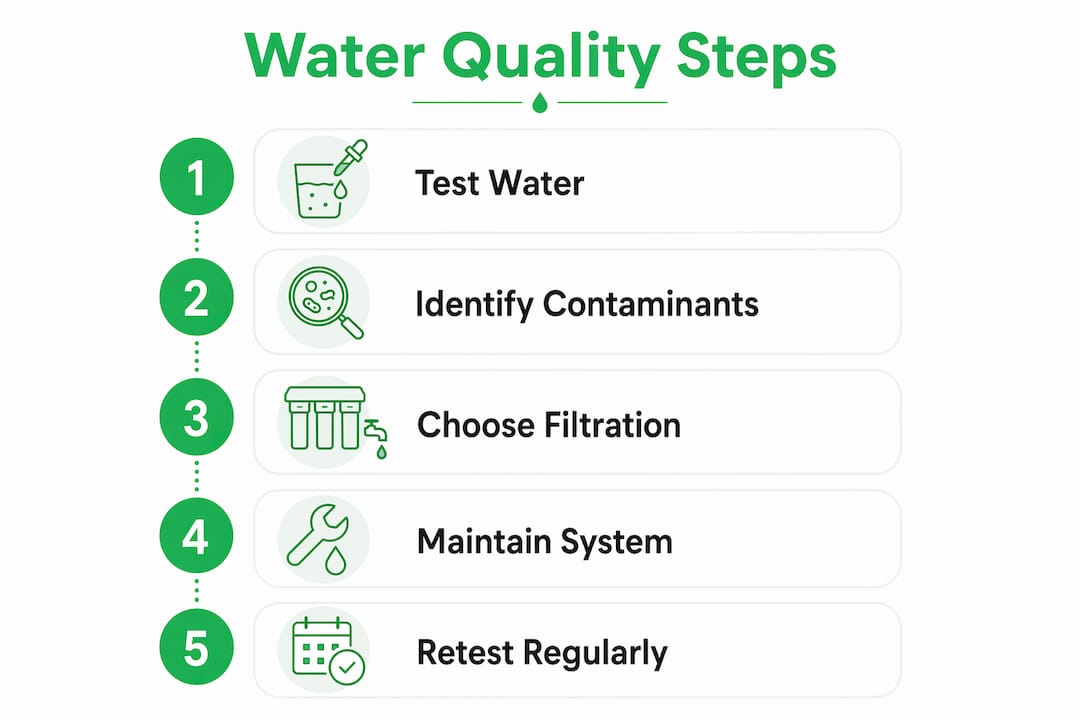
Water quality testing is the only way to know what is actually in your water. The process differs significantly depending on whether you use municipal water or a private well.
Municipal water users receive an annual Consumer Confidence Report (CCR) from their utility provider. This document lists detected contaminants and their levels compared to EPA maximum contaminant levels (MCLs). The CCR is a starting point, not a complete picture. It reflects water at the treatment plant, not at your tap. Old pipes between the main line and your faucet can introduce lead, copper, and sediment that never appear in the CCR.
Private well owners carry full responsibility for their own testing. The EPA recommends testing annually for coliform bacteria, nitrates, total dissolved solids (TDS), and pH. PFAS testing is increasingly recommended but can exceed $100 per sample, which discourages many homeowners from including it in routine checks.
Here is a practical testing schedule for most households:
- Annually: Coliform bacteria, nitrates, pH, TDS (mandatory for well owners; recommended for municipal users with older plumbing)
- Every 2-3 years: Lead, copper, hardness, chlorine byproducts
- As needed: PFAS, pesticides, radon, arsenic (based on local geology or land use)
- After any event: Flooding, nearby construction, plumbing repairs, or a change in taste or odor
Certified lab testing through NSF International or state-certified labs gives you legally defensible, accurate results. Home test kits from brands like Safe Home or Health Metric provide useful screening but are not substitutes for lab analysis.
| Test type | Best for | Approximate cost |
|---|---|---|
| Basic home test kit | Quick screening of pH, hardness, chlorine | $15 to $50 |
| Certified lab panel | Lead, nitrates, bacteria, TDS | $100 to $200 |
| PFAS-specific lab test | Homes near industrial sites or military bases | $100 to $300+ |
| Full well water panel | Private well owners, annual compliance | $150 to $400 |
Pro Tip: Request a certified lab test from your state health department. Many states offer free or subsidized testing for well owners, and some municipalities offer free lead testing kits for older homes.
The biggest mistake homeowners make is treating water testing as a one-time event. Neglecting regular maintenance and monitoring is the primary cause of water system failure in residential settings.
What are the most effective ways to improve water quality at home?
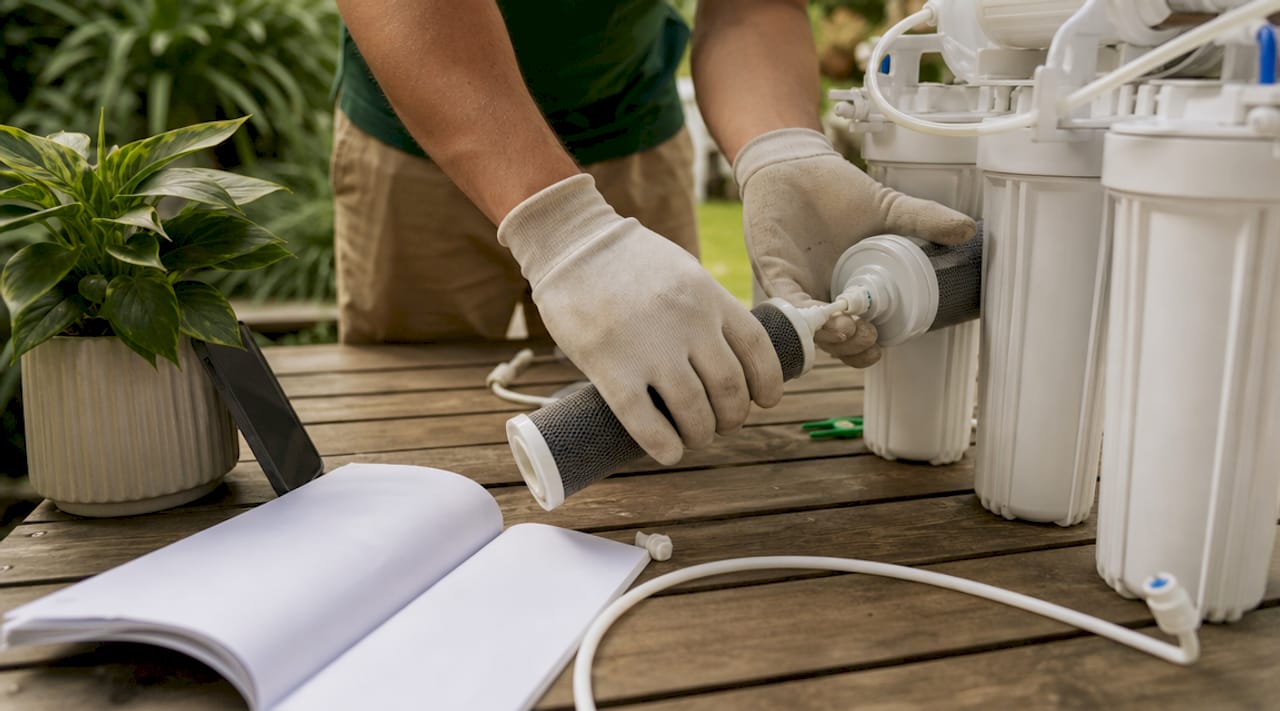
No single filtration system removes every contaminant. Pure water is actually corrosive and bland, which is why the goal is targeted, well-maintained filtration rather than total purification. Understanding your specific water issues guides which system to install.
| System type | What it removes | Best for | Limitations |
|---|---|---|---|
| Carbon block filter | Chlorine, VOCs, sediment, some pesticides | Municipal water users | Does not remove nitrates, heavy metals, or PFAS |
| Reverse osmosis (RO) | Lead, nitrates, PFAS, TDS, most contaminants | Drinking water at the tap | Wastes water; requires membrane monitoring |
| UV disinfection | Bacteria and viruses | Well water or post-flood use | Does not remove chemical contaminants |
| Whole-house filter | Sediment, chlorine, hardness | Protecting plumbing and appliances | Higher upfront cost; requires professional install |
| Shower filter | Chlorine, chloramines, heavy metals | Skin and hair protection | Point-of-use only |
UV disinfection systems eliminate 99.99% of bacteria and viruses without adding any chemicals, making them ideal for well owners or anyone who wants biological protection without the taste and byproduct issues associated with chlorine. Annual lamp replacement costs run $50 to $100, which is modest for the protection provided.
For drinking water, reverse osmosis remains the most thorough point-of-use option. A TDS meter connected to an RO system detects membrane failure early, which is critical because a compromised membrane can allow contaminants to pass through undetected.
Pro Tip: Combine a whole-house carbon filter with a point-of-use RO system for drinking water. This two-stage approach handles both plumbing protection and drinking water safety without the cost of a whole-house RO unit.
Water exposure through skin introduces chemical contaminants that affect human health, which means shower and bath water quality matters just as much as drinking water. Chlorine and chloramines in shower water strip the skin’s natural moisture barrier and irritate the scalp. A quality shower filter addresses this directly without requiring a whole-house system, making it an accessible solution for renters and homeowners alike.
Maintenance is non-negotiable. A saturated filter leaches contaminants back into the water it was designed to remove. Replace filters on the manufacturer’s schedule, use NSF-certified replacement cartridges, and test your water after any filter change to confirm performance.
Practical daily habits that protect your household water
Testing and filtration handle the infrastructure side of home water safety. Daily behavior fills the gaps.
- Flush cold water for 30 to 60 seconds before drinking or cooking, especially after water has sat in pipes overnight. First-draw water contains higher lead and copper levels from pipe contact, and flushing clears this before you consume it.
- Never use hot tap water for cooking or drinking. Hot water dissolves metals from pipes faster than cold water, concentrating contaminants in the water you consume.
- Inspect and maintain your plumbing annually. Corroded pipes, failing joints, and old fixtures are the most common sources of in-home contamination that municipal treatment cannot address.
- Keep well surroundings clear. Maintain a minimum 50-foot buffer between your well and any fuel storage, animal pens, or chemical application areas.
- Supervise children near all water sources. Fencing a pool with a self-latching gate reduces drowning risk by 50%, and 69% of child drownings occur during non-swim times when access is unexpected.
Physical barriers and active adult supervision together prevent child drowning far more effectively than pool alarms or flotation toys alone. No single safety device replaces consistent oversight.
For renters, the options are narrower but not absent. Point-of-use filters that attach to faucets or showerheads require no permanent installation and are fully portable. Documenting water quality concerns in writing to your landlord creates a record and, in many states, triggers a legal obligation to respond.
Key takeaways
Water quality at home requires active testing, targeted filtration, and consistent maintenance to protect health, plumbing, and daily wellness routines.
| Point | Details |
|---|---|
| Test before you treat | Identify your specific contaminants with certified lab testing before buying any filtration system. |
| No system does everything | Combine carbon filtration with RO or UV treatment to address both chemical and biological risks. |
| Flush first-draw water | Run cold water 30 to 60 seconds each morning to reduce lead and copper exposure from overnight pipe contact. |
| Maintain filters on schedule | A saturated or expired filter introduces contaminants rather than removing them. |
| Shower water counts | Chlorine and hard water in your shower affect skin and hair health, not just drinking water safety. |
Why “good enough” water is a trap worth avoiding
I’ve spent years reading water quality reports, talking to homeowners who discovered lead in their tap water after years of assuming everything was fine, and watching people invest in expensive filtration systems they never maintain. The pattern is consistent: most people treat water quality as a problem that either exists or doesn’t. It’s actually a spectrum that shifts constantly based on season, plumbing age, local land use, and municipal infrastructure decisions you have no control over.
The misconception I see most often is that passing a CCR test means your water is safe at the tap. It means it was safe at the plant. Your pipes are a separate variable entirely. A home built in the 1970s with original copper plumbing and lead solder joints can deliver water that technically meets EPA standards at the source and still expose your family to elevated lead levels every morning.
The other trap is buying a filter and forgetting it. I’ve seen filter maintenance guides that make the process look complicated, but it isn’t. Set a calendar reminder. Replace cartridges on schedule. Test your water once a year. That’s the entire system. The homeowners who do this consistently have genuinely safer water than those who install a $500 RO unit and never touch it again.
Water quality also connects to things people don’t immediately associate with it: dry skin, brittle hair, recurring scalp irritation, and even the lifespan of your water heater. Addressing water quality holistically, from the main line to the showerhead, produces results that a single under-sink filter never will.
— Sara
Take your shower water from tap to spa with Vitacleanhq
Your drinking water gets most of the attention, but your skin and hair absorb shower water every single day. Chlorine, chloramines, and hard water minerals in unfiltered shower water cause dryness, breakouts, and scalp irritation that no moisturizer fully corrects. Vitacleanhq’s Vitamin C shower filter shots neutralize chlorine and chloramines at the source, delivering noticeably softer water without any plumbing changes. The filters install in minutes and work with both handheld and wall-mounted setups. For consistent protection, the filter refill plan delivers replacement cartridges on your schedule so your filtration never lapses. Better water quality for your skin and hair starts in the shower.
FAQ
What is the most important reason to test home water quality?
Testing identifies specific contaminants in your water so you can choose the right treatment. Municipal reports reflect water at the plant, not at your tap, where pipe conditions can introduce lead, copper, and sediment.
How often should homeowners test their water?
Private well owners should test annually for coliform bacteria, nitrates, TDS, and pH. Municipal water users with older plumbing should test for lead and copper every two to three years.
Can a shower filter improve skin and hair health?
Yes. Chlorine and hard water in shower water strip the skin’s moisture barrier and irritate the scalp. Removing these with a point-of-use shower filter reduces dryness and irritation without requiring whole-house filtration.
What household water contaminants are invisible and tasteless?
Lead, PFAS, nitrates, and many bacteria are undetectable by taste, smell, or appearance. Certified lab testing is the only reliable way to confirm their presence or absence in your water.
Do renters have options for improving water quality at home?
Renters can use faucet-mounted carbon filters and portable shower filters that require no permanent installation. Documenting water quality concerns in writing to a landlord creates a legal record and may trigger a response obligation under local housing codes.