
Why Renters Need Portable Filters for Better Water
TL;DR:
- Portable water filters are essential for renters because they improve water quality without permanent modifications or landlord approval. Shower filters significantly benefit skin and hair health by removing chlorine exposure during daily showers, which causes dryness and irritation. Regular maintenance and proper filter selection based on water testing ensure optimal performance across different rental situations.
Portable water filters are the most practical solution renters have for improving tap water quality without touching a single pipe. Most lease agreements prohibit drilling, plumbing modifications, or any permanent fixture changes, which rules out the under-sink and whole-home systems that homeowners rely on. Chlorine and other contaminants in municipal water don’t stop at the kitchen tap. They reach your shower, where daily skin contact with chlorinated water strips natural oils and causes dryness, irritation, and texture problems. Products like the AquaTru countertop reverse osmosis unit and the Clearly Filtered pitcher exist precisely because renters need portable filters that work without landlord approval.
Why renters need portable water filters
Portable water filtration refers to any system that improves water quality without permanent installation. For renters, this distinction is not a convenience. It is a requirement. Lease constraints drive the primary filter decision: pick a format that needs no drilling or permits, and you can act immediately without waiting on a landlord who may never respond.
The formats that fit this definition fall into four categories:
- Pitcher filters like Clearly Filtered and Brita sit on a countertop or inside a refrigerator, need zero installation, and move with you when your lease ends.
- Countertop reverse osmosis units like AquaTru plug into a standard outlet, connect to your faucet with a simple adapter, and deliver deep filtration without touching your plumbing.
- Faucet-mounted filters attach directly to the faucet aerator with no tools and cost between $30 and $45, making them the lowest-barrier entry point.
- Removable shower filters screw onto the existing showerhead connection in under two minutes and come off just as fast when you move out.
Compact size matters in rentals. Most apartments offer limited counter space and small bathrooms, so a filter that dominates the sink or requires a dedicated cabinet is a non-starter. Pitcher filters and faucet mounts solve this. Shower filters add almost no physical footprint at all.
Pro Tip: Before signing a new lease, photograph the existing faucet and showerhead connections. This gives you a reference point for reinstalling your filters exactly as you found them, protecting your security deposit.
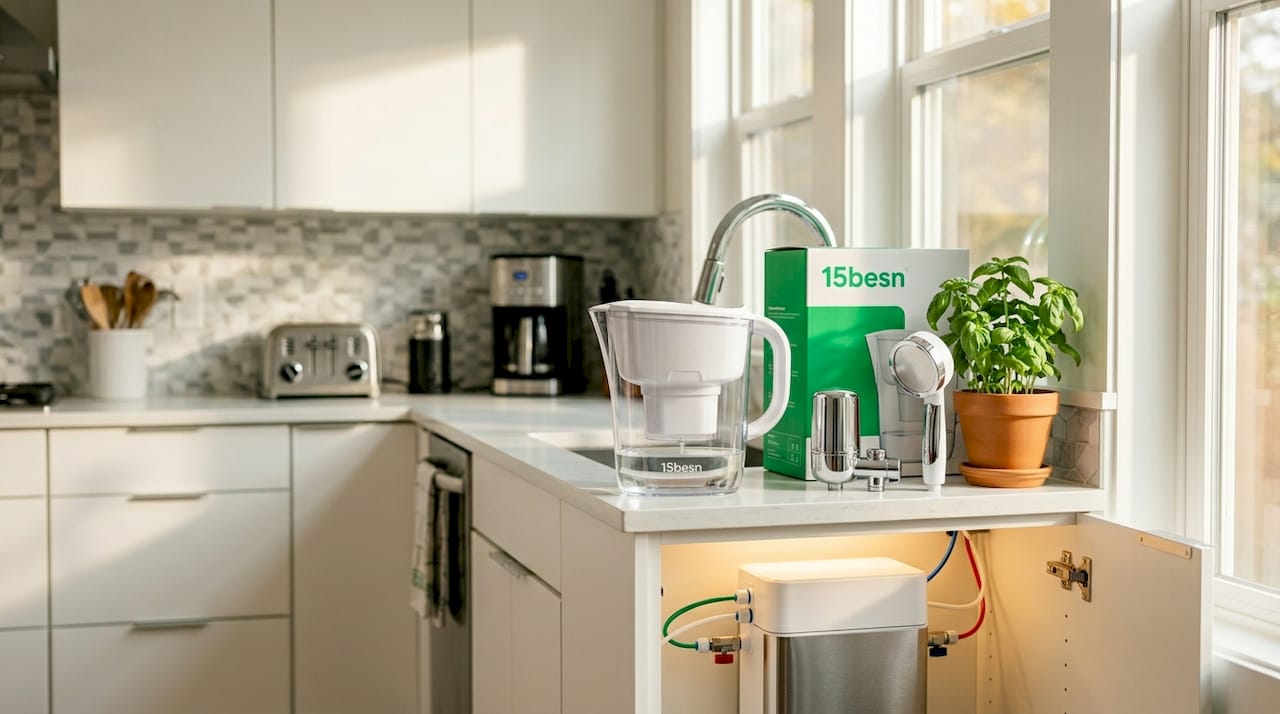
Under-sink direct-connect models occupy a gray area. Some landlords permit them because they use reversible fittings and leave no permanent marks. Others consider them a lease violation. Always get written permission before installing one, even if the process is tool-free.
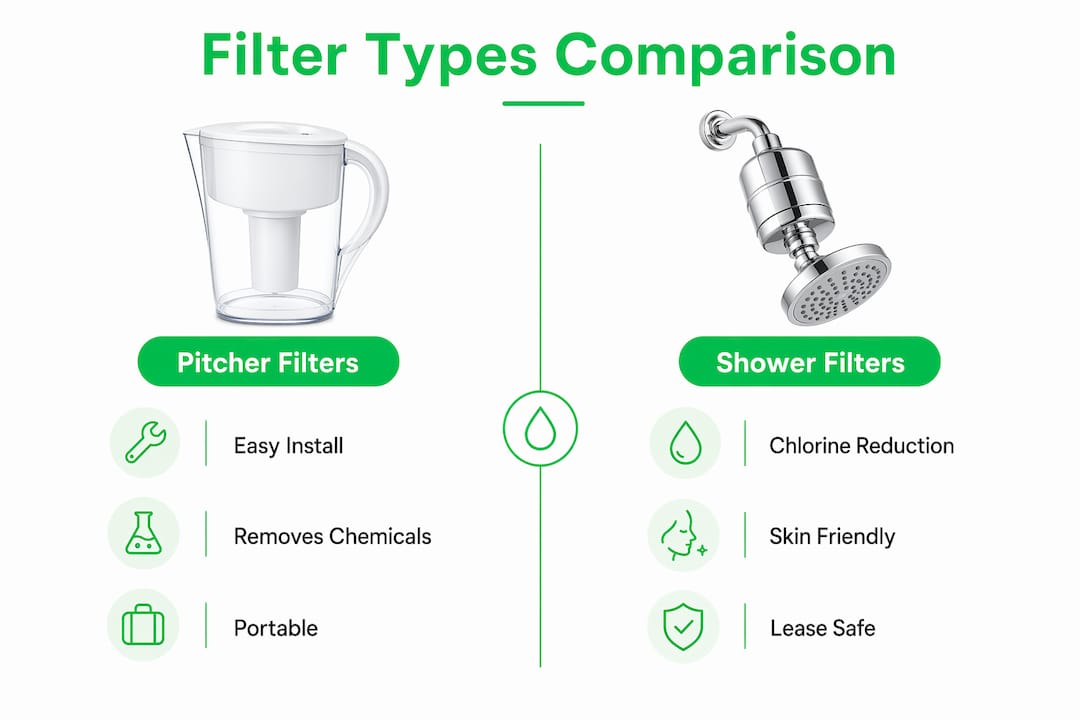
How chlorine in shower water affects your skin and hair
Chlorine is a standard disinfectant in municipal water systems across the United States, and it does its job well enough to reach your showerhead at measurable concentrations. The problem is what happens during a ten-minute shower. Chlorine breaks down skin oils more aggressively through repeated shower exposure than through drinking, because hot water opens pores and increases absorption while steam concentrates chlorine vapors in an enclosed space.
The visible results are familiar to most renters: persistent skin dryness, tightness after showering, scalp irritation, and hair that feels brittle or loses color faster than expected. These symptoms often get blamed on skincare products or diet, when the actual source is the water itself. Understanding shower water contaminants and their effects reframes the problem entirely.
The skin and hair effects of chlorinated shower water include:
- Disrupted skin barrier: Chlorine removes the lipid layer that keeps moisture in, leading to chronic dryness and sensitivity.
- Scalp irritation: Repeated chlorine exposure inflames hair follicles and contributes to flaking and itching that mimic dandruff.
- Hair porosity changes: Chlorine raises the hair cuticle, making strands more porous, prone to frizz, and vulnerable to color fade.
- Worsened acne: Disrupted skin pH from chlorine exposure can trigger breakouts, particularly on the back and chest.
Targeted shower filtration is the most noticeable intervention for these symptoms. Experts consistently point to the shower as the critical exposure point that drinking water filters alone cannot address. Filtering both your drinking and bathing water covers the full picture, but if you start with one, start with the shower.
Comparing the top portable filter types for apartments
Not every portable filter solves the same problem. Choosing the wrong type means spending money on filtration that misses your actual water issue. Here is how the main categories compare across the criteria renters care about most.
| Filter type | Contaminants removed | Installation | Portability | Best for |
|---|---|---|---|---|
| Pitcher filter (Clearly Filtered, Brita) | Lead, PFAS, fluoride, chlorine, pharmaceuticals | None | Excellent | Drinking water, budget-conscious renters |
| Countertop RO (AquaTru) | 80+ contaminants, NSF certified | Faucet adapter only | Good | Renters wanting deep purification |
| Faucet mount | Chlorine, sediment, basic contaminants | Tool-free, 2 minutes | Excellent | On-demand filtered tap water |
| Shower filter (Vitacleanhq, others) | Chlorine, heavy metals, sediment | Screw-on, no tools | Excellent | Skin and hair health |
| Direct-connect under-sink | PFAS, lead, chlorine, sediment | Reversible fittings | Moderate | Renters with landlord permission |
Pitcher filters like Clearly Filtered remove 365+ contaminants including fluoride, PFAS, lead, and microplastics. They cost less than most other filter types and require no setup beyond filling them with tap water. The tradeoff is slow flow rate and the need to refill frequently in larger households.
AquaTru countertop RO systems sit at the other end of the performance spectrum. They are certified to multiple NSF/ANSI standards and remove contaminants that pitcher filters cannot touch. The footprint is larger, roughly the size of a coffee maker, and they require a power outlet. For renters who want the closest thing to whole-home purification without plumbing work, AquaTru is the standard reference point.
Shower filters occupy a unique position. They do not purify drinking water, but they address the exposure point that causes the most visible health effects. Vitacleanhq’s Vitamin C shower filters, for example, neutralize chlorine through ascorbic acid chemistry rather than carbon alone, which is particularly effective at the higher water temperatures typical of showers.
Pro Tip: Look for NSF/ANSI certification numbers on the product packaging, not just marketing claims. NSF 42 covers aesthetic contaminants like chlorine. NSF 53 covers health-related contaminants like lead. NSF 58 applies to reverse osmosis systems. A filter certified to all three covers the widest range of concerns.
How to choose the best portable filter for your rental
Selecting the right filter starts with knowing what is actually in your water, not guessing based on taste or smell. Most U.S. municipalities publish an annual water quality report, also called a Consumer Confidence Report, which lists detected contaminants and their concentrations. Pull yours before buying anything.
Once you know your water profile, follow these steps:
- Identify your primary concern. Chlorine taste and odor? A faucet mount or pitcher filter handles that at low cost. PFAS or lead? You need NSF 53 or NSF 58 certification. Skin and hair problems? Prioritize a shower filter first.
- Confirm lease compatibility. No-installation portable options like pitchers, countertop units, and screw-on shower filters require zero landlord approval. Anything involving faucet disassembly or under-sink access warrants a quick check with your landlord.
- Match capacity to your household. A single-person apartment can manage with a standard pitcher. A two-person household with daily cooking and drinking needs will burn through pitcher capacity fast. A countertop RO or faucet mount delivers on-demand volume without constant refilling.
- Factor in maintenance commitment. Portable RO units require regular cartridge changes to maintain performance. Shower filters need replacement every two to three months depending on water hardness and usage. If you travel frequently or tend to forget maintenance, choose a system with a subscription refill option.
- Set a realistic budget. Faucet mounts start around $30. Quality pitcher filters run $50 to $100. Countertop RO systems like AquaTru cost $300 to $500 upfront with ongoing filter costs. Shower filters from Vitacleanhq fall in the mid-range with refill plans that reduce the long-term cost.
- Check for skin and hair-specific needs. If chlorine sensitivity is your main driver, a Vitamin C shower filter neutralizes chlorine more completely than standard carbon filters at shower temperatures, making it the better choice for skin and hair outcomes.
Maintaining and relocating portable filters between rentals
A portable filter only delivers clean water if you maintain it. The most common mistake renters make is treating filter cartridges as permanent components. Every filter has a rated lifespan measured in gallons or months, and performance drops sharply once that threshold passes.
Key maintenance practices for each filter type:
- Pitcher filters: Replace cartridges every 40 to 150 gallons depending on the brand. Rinse the pitcher reservoir weekly to prevent biofilm buildup. Never run hot water through a pitcher filter cartridge.
- Countertop RO systems: Follow the manufacturer’s multi-stage replacement schedule. Pre-filters typically need changing every six months. The RO membrane lasts one to two years. Skipping pre-filter changes forces the membrane to work harder and shortens its life.
- Shower filters: Replace cartridges every two to three months or sooner in areas with high chlorine levels. A simple test: if your skin starts feeling tight again after showers, the cartridge is likely exhausted.
When moving between rentals, disassemble filters carefully and store them in their original packaging or a clean zip-lock bag. Drain all water from countertop RO units before transport to prevent mold growth inside the tank. Shower filters unscrew in seconds and pack flat. Portable filters designed for renters are built for exactly this cycle of setup, use, and teardown without damage to the unit or the rental property.
Pro Tip: Set a recurring phone reminder for filter replacement dates the day you install a new cartridge. Relying on memory across a busy move or lease renewal is how filters get forgotten and water quality silently degrades.
Key takeaways
Portable water filters are the definitive solution for renters because they deliver real contaminant reduction, require no landlord approval, and move with you when your lease ends.
| Point | Details |
|---|---|
| Lease compliance comes first | Choose pitcher, countertop, or screw-on shower filters that need no drilling or permits. |
| Shower filtration has the highest impact | Chlorine in shower water strips skin oils and damages hair more than drinking exposure does. |
| Match filter type to your water issue | Use your municipality’s Consumer Confidence Report to identify contaminants before buying. |
| NSF certification is non-negotiable | Look for NSF 42, 53, or 58 certification to confirm a filter removes what it claims. |
| Maintenance determines performance | Replace cartridges on schedule. A neglected filter provides false confidence, not clean water. |
What I’ve learned from years of watching renters overlook their shower
Most renters who care about water quality go straight for a pitcher filter. It makes sense. Drinking water feels like the obvious priority, and pitchers are cheap and visible. What I’ve observed consistently, though, is that the people who see the fastest improvement in their skin and hair are the ones who filter their shower first, not their drinking water.
The math is simple. You drink roughly two liters of water a day. You expose your entire body surface to shower water for seven to ten minutes every single day. The skin contact area and absorption conditions during a hot shower are not comparable to sipping filtered water from a glass. Chlorine’s effect on skin pH and the lipid barrier is cumulative and visible within weeks of switching to filtered shower water.
My honest advice: if your budget allows only one filter, make it a shower filter. Add a pitcher or faucet mount for drinking water when you can. And when you move, take both with you. The investment in a quality portable system pays off across every rental you ever live in.
— Sara
Upgrade your shower with Vitacleanhq’s renter-friendly filters
Renters dealing with dry skin, dull hair, or scalp irritation after showers don’t need a plumber. They need the right filter at the right point of contact.
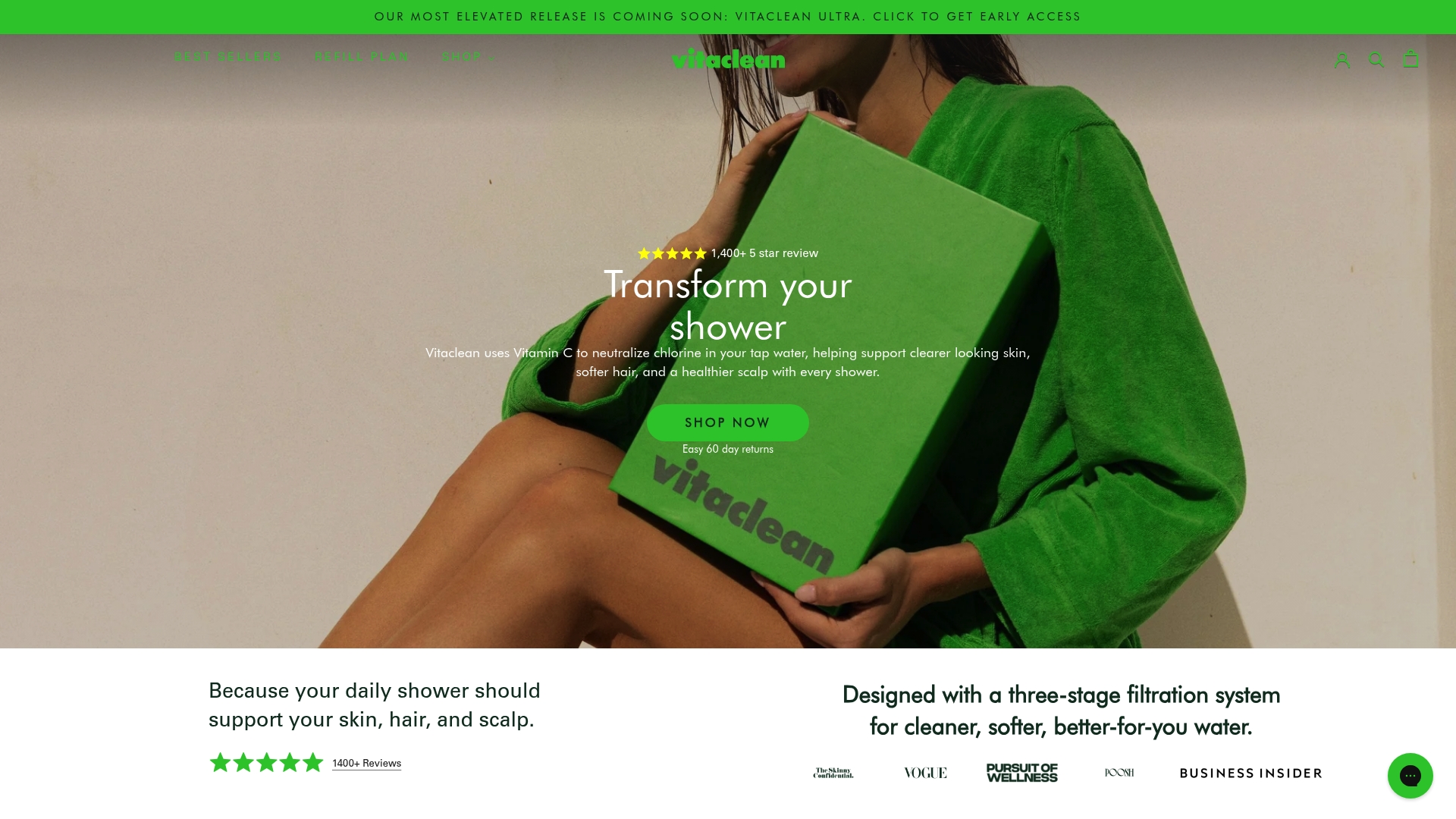
Vitacleanhq’s Vitamin C shower filter shots neutralize chlorine through ascorbic acid chemistry, which outperforms standard carbon at the higher temperatures of a hot shower. The filters screw onto any standard showerhead connection in under two minutes, leave no marks on the rental property, and come with a refill subscription plan so replacement cartridges arrive before the old ones expire. For renters who want clean shower water without a single conversation with their landlord, Vitacleanhq is the starting point.
FAQ
What are portable water filters for renters?
Portable water filters are filtration systems that require no permanent installation, including pitcher filters, countertop reverse osmosis units, faucet mounts, and screw-on shower filters. They improve tap water quality without drilling, plumbing changes, or landlord permission.
Do renters really need a shower filter?
A 10-minute daily shower in chlorinated water affects skin oils more significantly than drinking the same water, making shower filtration the highest-impact change renters can make for skin and hair health.
How do I choose a portable filter for my apartment?
Start with your municipality’s Consumer Confidence Report to identify your specific contaminants, then select a filter certified to the matching NSF standard. NSF 42 covers chlorine, NSF 53 covers lead and health contaminants, and NSF 58 applies to reverse osmosis systems.
Can I take my portable filter when I move?
Pitcher filters, countertop RO units, and shower filters are all designed to be disassembled, packed, and reinstalled in a new rental without damage to the unit or the property. Portable filters built for renters handle repeated setup and teardown cycles reliably.
How often do portable shower filters need replacing?
Most shower filter cartridges need replacement every two to three months, though high-chlorine water or heavy daily use can shorten that window. Returning skin tightness after showers is a reliable sign the cartridge is exhausted and needs changing.