
How to Boost Shower Hydration for Dry, Sensitive Skin
TL;DR:
- Proper shower hydration involves keeping water lukewarm, limiting shower time, and using filtered water to protect the skin barrier. Applying moisturizer within three minutes of showering while the skin is still damp maximizes moisture retention and skin health. Consistently combining these practices effectively enhances skin and hair hydration while minimizing damage from hot water and chemical irritants.
Shower hydration enhancement is the practice of managing water temperature, shower duration, product selection, and post-shower timing to maximize moisture retention in skin and hair. For anyone prone to dryness or irritation, the daily shower is either your biggest ally or your worst enemy. Get the conditions right, and your skin barrier stays intact. Get them wrong, and you strip away the oils your skin needs to stay soft and resilient. Methods like Vitamin C filtered shower heads, the Everything Shower ritual, and the soak-and-seal moisturizing technique each address a different piece of this puzzle. This guide covers all of them.
How to boost shower hydration: ideal conditions first
The single most important variable in shower hydration is water temperature. Hot water above 104°F dissolves the protective sebum layer on your skin, leaving it exposed and prone to dryness, inflammation, and flaking. Dermatologists consistently recommend lukewarm water because it cleanses without triggering the vasodilation that causes redness and barrier damage, particularly for eczema-prone or sensitive skin types.
Shower duration matters just as much as temperature. Optimal shower time is 5 to 10 minutes using lukewarm water to maintain skin barrier integrity and reduce transepidermal water loss (TEWL). TEWL is the technical term for moisture that evaporates through the outer skin layer. It peaks within 60 minutes after showering, which is why what you do immediately after stepping out matters enormously.
Water quality is the third factor most people overlook entirely. Chlorine in unfiltered tap water acts as a chemical irritant that compounds the drying effects of heat and friction. Vitamin C filtered shower heads neutralize chlorine at the source, reducing the irritant load on your skin and scalp before water even touches you. This is especially relevant if you live in a municipality with heavily treated water.
Key conditions to optimize:
- Water temperature: lukewarm, not hot (aim for 98°F to 102°F)
- Shower duration: 5 to 10 minutes maximum
- Water quality: use a Vitamin C or ceramic filter to reduce chlorine and impurities
- Water pressure: firm enough to cleanse, not so forceful it strips or irritates skin
Pro Tip: Run your wrist under the shower stream before stepping in. If it feels noticeably warm rather than neutral, it’s already too hot for your skin barrier.
Which products best support hydration during your shower?
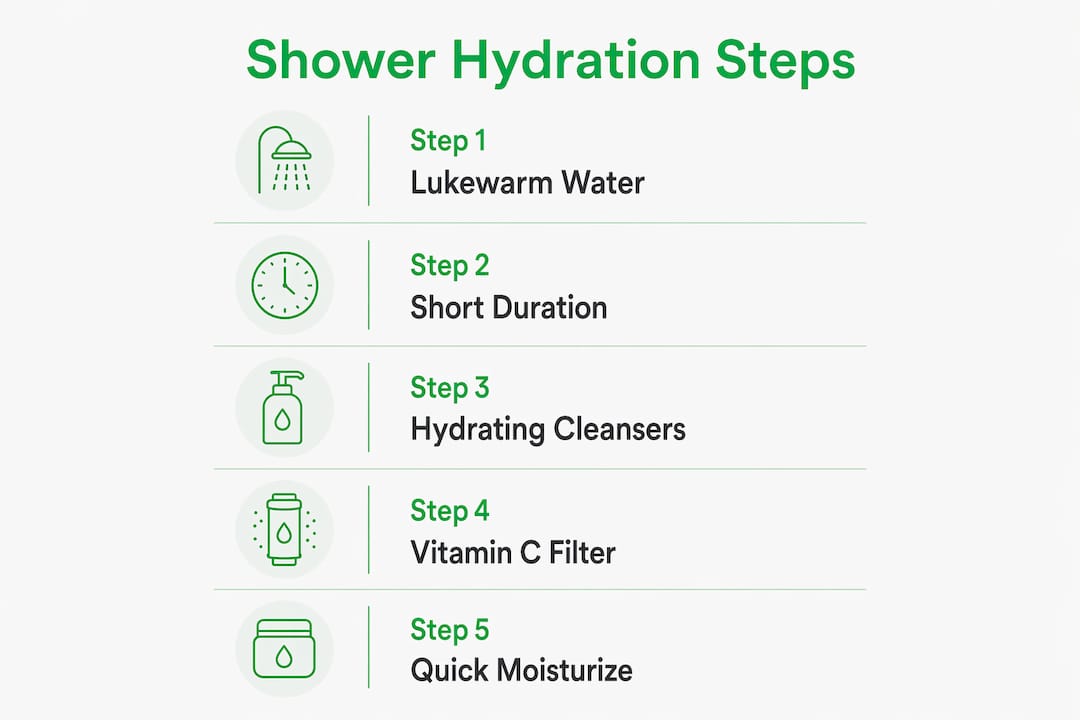
Cleanser choice directly determines how much moisture your skin retains after washing. Fragrance-free, soap-free, pH-balanced cleansers with hydrating ingredients preserve the skin’s acid mantle better than traditional soap. Syndets (synthetic detergent bars) are the dermatologist-recommended alternative for sensitive or dry skin because they clean without disrupting the skin’s natural pH.
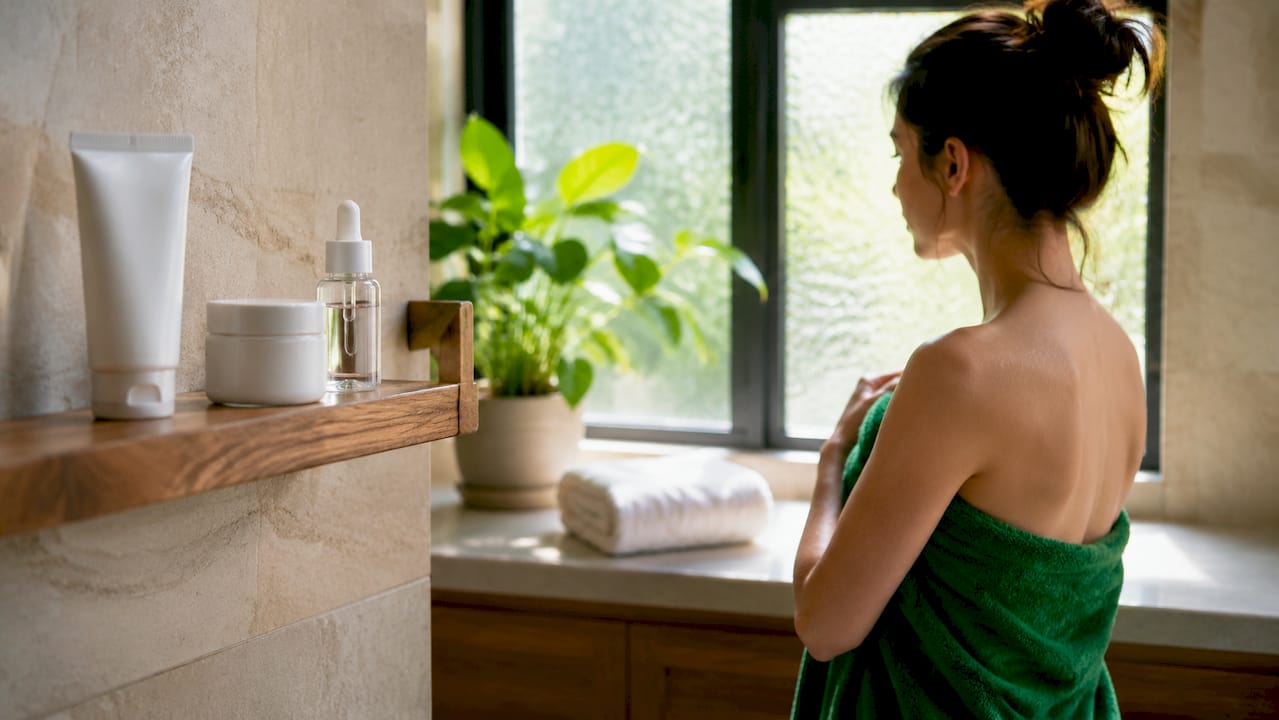
Look for cleansers and body washes that contain ceramides, glycerin, or hyaluronic acid. Dove Hydration Boost body wash is a widely available option that includes these ingredients at an accessible price point. For a more targeted approach, the K-Beauty Hyal Shower technique involves applying a low-molecular-weight hyaluronic acid serum to your skin before stepping into a warm shower. The steam prevents the serum from evaporating and drives it deeper into the skin for a plumping effect. One important caveat: avoid heat-sensitive actives like retinol during this routine.
Shower filters and additives work at the water level rather than the product level. Vitamin C shots and ceramic filter balls reduce chlorine and heavy metal impurities, which means your skin is not fighting chemical irritants while you try to hydrate it. Adding a few drops of essential oils like lavender or chamomile to a shower steamer can also provide a soothing effect, particularly for skin that reacts to stress.
| Product type | Hydration benefit | Best for |
|---|---|---|
| Syndet cleanser (e.g., Dove, Vanicream) | Preserves acid mantle, reduces dryness | Sensitive and dry skin |
| Hyaluronic acid body wash | Draws water into skin during rinsing | Dehydrated skin of all types |
| Vitamin C shower filter | Neutralizes chlorine, reduces irritation | All skin types, especially reactive skin |
| Ceramic filter balls | Reduces heavy metals and impurities | Hard water areas |
| Essential oil shower steamers | Soothes skin and nervous system | Stress-related skin flare-ups |
You can explore how these products fit into a broader shower wellness routine to get the sequencing right.
When and how to apply moisturizer to lock in hydration
Timing is the most underestimated factor in post-shower skin care. Applying moisturizer within 3 minutes after showering locks in hydration and prevents moisture from evaporating off damp skin. Wait longer than that, and the window closes. Your skin shifts from a hydrated surface to a dry one, and moisturizer applied at that point only creates a surface film rather than pulling water into the skin.
The method dermatologists call “soak and seal” is the most effective approach. Pat your skin gently with a towel (never rub, which removes moisture and causes friction damage), then apply your moisturizer while your skin is still slightly damp. The dampness activates humectant ingredients like glycerin and hyaluronic acid, which bind water molecules to the skin rather than just sitting on top.
Here is the step-by-step sequence to follow:
- Step out of the shower and pat skin with a soft towel, leaving it slightly damp.
- Apply any prescription creams or targeted serums first, directly to damp skin.
- Layer a moisturizer containing ceramides, urea, or fatty acids over the treatment layer. A 10% urea lotion works particularly well for rough or bumpy skin on legs and arms.
- For very dry areas like elbows, knees, or heels, seal with an occlusive like petroleum jelly or a tallow-based balm to trap moisture underneath.
- Allow everything to absorb for two to three minutes before dressing.
Ingredients to prioritize in your moisturizer include ceramides (which rebuild the lipid barrier), niacinamide (which reduces inflammation and supports barrier function), glycerin (a humectant that draws water in), and urea (which softens and hydrates simultaneously). You can find a detailed breakdown of how different moisturizer formulas compare in this moisturizer comparison guide covering ingredients like argan oil and tallow.
Pro Tip: If you shower at night, apply a slightly heavier moisturizer than you would in the morning. Your skin repairs its barrier while you sleep, and a richer formula gives it more material to work with.
How does the Everything Shower ritual maximize hydration benefits?
The Everything Shower is a methodical, extended bathing ritual that treats the shower as a full self-care session rather than a quick rinse. The term gained traction through the #everythingshower hashtag, and the ritual delivers mental relaxation alongside improved all-over hydration by systematically applying moisturizing products during an extended session. It is not just about skin. Research links stress reduction to improved skin condition, meaning the mental wellness component of this ritual has a direct physical payoff.
The Everything Shower differs from a standard shower in its intentionality. Each step is deliberate, timed, and product-supported. This is the structure that makes it effective for hydration rather than just relaxing.
A complete Everything Shower includes:
- Preparation: Set the water to lukewarm. Gather all products before stepping in. Play music or a podcast to signal a shift in mental state.
- Pre-cleanse: Apply a hair mask or scalp treatment and let it sit while you cleanse your body.
- Body cleansing: Use a syndet or ceramide-rich body wash with a soft loofah or silicone brush.
- Exfoliation: Use a gentle sugar or enzyme scrub on rough areas once or twice a week to remove dead skin cells that block moisture absorption.
- Hair care: Rinse out the hair mask, shampoo, then condition with a product containing panthenol or argan oil.
- Final rinse: Finish with a 30-second cool rinse to close hair cuticles and reduce scalp inflammation.
- Immediate moisturizing: Exit and apply moisturizer within three minutes using the soak-and-seal method.
The Everything Shower works best when done two to three times per week rather than daily. Pairing it with a winter shower guide gives you seasonal adjustments for when dryness peaks.
Key takeaways
Maximizing shower hydration requires controlling four variables: water temperature, shower duration, product ingredients, and post-shower moisturizing timing.
| Point | Details |
|---|---|
| Keep water lukewarm | Water above 104°F strips protective sebum and damages the skin barrier. |
| Limit showers to 5 to 10 minutes | Longer showers increase transepidermal water loss and reduce skin moisture. |
| Use filtered water | Vitamin C shower filters neutralize chlorine, reducing irritation before water contacts skin. |
| Moisturize within 3 minutes | Applying to damp skin activates humectants and seals in moisture effectively. |
| Choose the right ingredients | Ceramides, glycerin, urea, and niacinamide rebuild and protect the skin barrier. |
What I’ve learned after years of tracking shower hydration habits
The most common mistake I see is treating the shower itself as the hydration step. People buy expensive body washes, stand under hot water for 20 minutes, and then wonder why their skin is still dry. The shower is not where hydration happens. It is where you either set the stage for hydration or destroy it.
Hot water feels luxurious, and I understand the appeal. But dermatologists are clear that most people mistake the flushed, tight feeling after a hot shower for cleanliness when it is actually barrier damage. Switching to lukewarm water is the single highest-return change you can make, and it costs nothing.
The second thing I would push back on is the idea that a longer shower means better results. The Everything Shower ritual is genuinely useful, but only when the water stays lukewarm and the extra time goes toward treatments, not just standing under running water. Time under hot water is not self-care. It is skin damage with good lighting.
What actually works is the combination: filtered water, a short lukewarm shower, a ceramide-rich cleanser, and moisturizer applied within three minutes on damp skin. That sequence, done consistently, produces results that no single premium product can match on its own. If you want a practical framework to build this into your daily routine, the evidence-backed shower tips from Vitacleanhq are worth bookmarking.
The hardest part is not knowing what to do. It is doing it consistently when you are tired and just want a hot shower. Start with the temperature. Everything else follows.
— Sara
Upgrade your shower water with Vitacleanhq
The products you apply during and after your shower matter. So does the water itself. Vitacleanhq’s Vitamin C shower filter shots neutralize chlorine and reduce impurities at the source, so your skin and scalp are not absorbing chemical irritants with every rinse. The filters are easy to install and replace, with a subscription option that keeps your routine consistent without the hassle of remembering to reorder.
For hard water areas, Vitacleanhq’s ceramic filter reduces heavy metals alongside chlorine. The handheld shower filter is ideal for renters or anyone who wants flexibility without permanent installation. Browse the full range to find the filter that fits your setup and your skin.
FAQ
How long should a shower be for hydrated skin?
Shower duration of 5 to 10 minutes using lukewarm water is the dermatologist-recommended limit. Longer showers increase transepidermal water loss and reduce the skin’s ability to retain moisture.
Does water temperature really affect skin hydration?
Yes. Hot water dissolves the skin’s natural sebum layer and triggers vasodilation, both of which damage the skin barrier and cause dryness. Lukewarm water cleanses without stripping protective oils.
When is the best time to apply moisturizer after a shower?
Within 3 minutes of stepping out, while skin is still slightly damp. Applying to damp skin allows humectants like glycerin and hyaluronic acid to bind water into the skin rather than just coating the surface.
What is the Everything Shower and does it help with hydration?
The Everything Shower is an extended, methodical shower ritual that includes exfoliation, hair treatments, and systematic moisturizing. It improves hydration and reduces stress, which indirectly benefits skin condition. It works best two to three times per week with lukewarm water throughout.
Do shower filters actually improve skin hydration?
Vitamin C shower filters reduce chlorine and impurities in tap water, which lowers the chemical irritant load on your skin. Less irritation means your skin barrier stays more intact, which directly supports moisture retention. This is especially useful for sensitive or reactive skin types.