
Best Practices for Water Quality at Home in 2026
TL;DR:
- Effective water quality management combines annual testing, contamination prevention, and targeted treatment based on specific risks.
- Proper landscaping and stormwater controls reduce external contamination, while reading and understanding local water reports guide treatment choices.
Best practices for water quality are defined as the proactive, layered management of both external water sources and internal plumbing systems to protect daily water safety and health. The EPA’s Water Quality Criteria tie acceptable pollutant levels to specific intended uses, meaning the standard for drinking water differs from the standard for bathing or irrigation. For homeowners and renters, this use-based framework is the right starting point. Testing, contamination prevention, and point-of-use filtration are the three core pillars of any effective water quality management plan, and each one addresses a different layer of risk.
1. Best practices for water quality start with annual testing
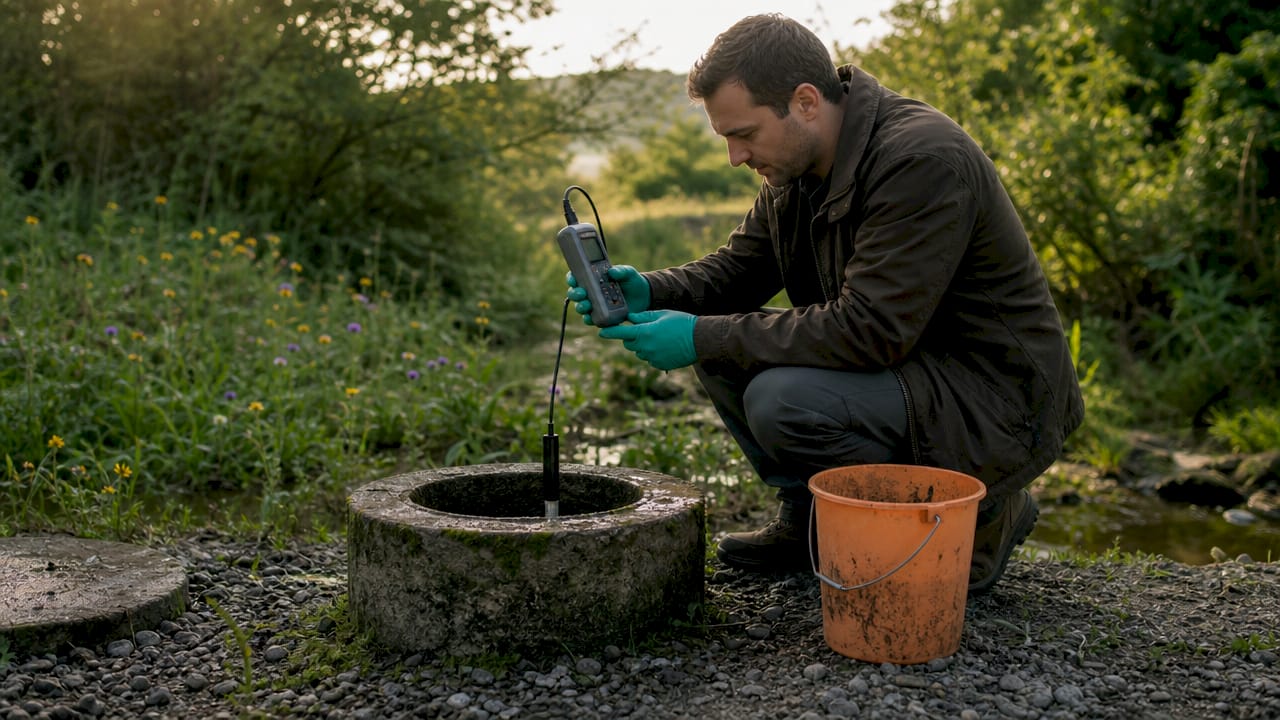
Annual water testing is the single most reliable way to detect contamination before it causes harm. The EPA recommends testing private wells every year for total coliform bacteria, nitrates, total dissolved solids (TDS), and pH. Each parameter reveals a different risk: coliform indicates microbial contamination, nitrates signal agricultural or septic influence, TDS reflects overall dissolved load, and pH affects both corrosion potential and treatment effectiveness.
Testing is not only an annual task. Certain events require immediate action:
- Flooding or heavy rainfall near your well or water source
- Recent plumbing repairs or changes to your system
- Noticeable changes in water color, taste, or odor
- New construction or land use changes in your neighborhood
Flooding and physical disturbances can introduce contaminants directly into well casings, making post-event testing non-negotiable. Always use a state-certified laboratory for testing. Results from certified labs are legally defensible and directly comparable to EPA health benchmarks, which matters when you need to decide on treatment.
Pro Tip: When you receive your lab results, ask the lab to flag any parameter that exceeds EPA health advisory levels, not just regulatory limits. Health advisories are often more protective than enforceable standards.
2. How to prevent contamination from household activities
Contamination prevention is the most underused tool in water quality management. Most homeowners focus on treating water after it arrives at the tap, but the more cost-effective approach is stopping pollutants from reaching your source water in the first place. Proper disposal of hazardous products and reduced pesticide and fertilizer use are two of the highest-impact actions any property owner can take.
Here are four concrete steps to reduce contamination risk from your own property:
- Dispose of chemicals correctly. Never pour motor oil, paint, or cleaning solvents into drains, toilets, or onto soil. Use local hazardous waste collection programs.
- Limit lawn chemicals. Excess nitrogen from fertilizers leaches into groundwater and raises nitrate levels. Use slow-release formulas and apply only during dry weather.
- Maintain your septic system. A failing septic system is one of the leading sources of coliform bacteria in private wells. Schedule inspections every three years.
- Participate in source-water protection programs. Community efforts like storm-drain stenciling and watershed stewardship groups reduce neighborhood-level runoff contamination.
Pro Tip: Check whether your municipality has a source-water protection plan. Many local health departments publish them online, and they identify the specific contamination threats in your area so you can prioritize accordingly.
3. Comparison of common water quality improvement methods
Not every filtration method solves every problem. Selecting the right treatment depends on which contaminants your test results identify, your budget, and how much maintenance you are willing to commit to. The table below compares the most common options available to homeowners and renters.
| Method | Best for | Cost range | Maintenance | Limitations |
|---|---|---|---|---|
| Activated carbon filter | Chlorine, VOCs, taste/odor | Low to moderate | Filter replacement every 2-6 months | Does not remove nitrates or heavy metals |
| Ceramic filter | Bacteria, sediment, cysts | Moderate | Periodic cleaning, annual replacement | Slow flow rate |
| Vitamin C shower filter | Chlorine and chloramine in bathing water | Low | Monthly cartridge swap | Targets bathing water, not drinking water |
| UV disinfection | Bacteria and viruses | Moderate to high | Annual lamp replacement | Does not remove chemical contaminants |
| Reverse osmosis | Nitrates, heavy metals, TDS | High | Membrane and filter replacement | High water waste ratio |
A few points worth highlighting from this comparison:
- Activated carbon is the most widely used option and handles the contaminants most city dwellers encounter.
- Vitamin C shower filters, like those offered by Vitacleanhq, specifically neutralize chlorine and chloramines in bathing water, which is a separate concern from drinking water quality and directly affects skin and hair health.
- UV systems are highly effective against microbial threats but must be paired with a sediment pre-filter to work correctly.
Relying solely on filtration is less effective than combining source contamination prevention, water testing, and targeted treatment. No single method covers all risks.
4. Managing external risks through landscaping and stormwater control
Your yard and property design directly influence the quality of your source water. Stormwater that flows across lawns, driveways, and gardens picks up sediment, nutrients, and chemicals before it infiltrates into groundwater or flows into surface water. Stormwater management strategies like vegetated swales and rain gardens are practical, cost-effective tools that slow runoff and allow contaminants to filter out before water reaches your source.
Specific landscaping practices that protect water quality include:
- Vegetated swales. Shallow, grass-lined channels that slow stormwater flow and allow sediment to settle before water moves off your property.
- Rain gardens. Shallow planted depressions that collect runoff from roofs and driveways. Native plants with deep root systems absorb water and filter nutrients.
- Proper grading. Slope soil away from your well casing at a minimum of one inch per foot for the first ten feet. This prevents surface water from pooling near the well and entering the casing.
- Permeable paving. Replacing solid concrete with permeable pavers or gravel allows water to infiltrate rather than run off, reducing the volume of contaminated stormwater leaving your property.
These are not expensive renovations. A basic rain garden can be installed for a few hundred dollars and requires minimal ongoing maintenance once established.
5. How to read your local water quality report
Every community water system in the United States is required to publish an annual Consumer Confidence Report (CCR). The EPA’s CCR model requires utilities to test for regulated contaminants and compare results against legal limits, giving you a direct view of what is in your tap water and whether it meets federal water quality standards. Your utility must deliver this report by July 1 each year, and most post it online.
When you open your CCR, focus on three things. First, look for any contaminant listed as exceeding the Maximum Contaminant Level (MCL). Second, check for contaminants detected at levels above the MCL Goal (MCLG), which is the non-enforceable health target. Third, note any contaminants detected consistently over multiple years, even at low levels, since cumulative exposure matters.
Pro Tip: If your CCR lists lead as detected at any level, do not wait. Lead contamination comes from household plumbing, not the utility’s treatment plant, so the utility’s report will not capture your specific risk. Request a tap water test from a certified lab that tests specifically for lead at the first draw.
Once you understand your CCR, you can match treatment to actual risk rather than guessing. Homeowners with high chlorine levels benefit most from activated carbon or vitamin C filtration. Those with nitrate detections near the MCL should consider reverse osmosis for drinking water.
6. Monitoring water quality over time
Monitoring water quality is not a one-time event. Conditions change as seasons shift, as neighbors change land use, and as your plumbing ages. A consistent monitoring schedule is what separates reactive problem-solving from genuine water quality management.
For private well owners, the EPA’s annual testing recommendation covers the baseline. For city water users, the CCR provides annual data, but you should supplement it with periodic in-home testing, particularly if you have older plumbing with copper or galvanized pipes. Home test kits from brands like LaMotte or Hach provide quick screening for pH, chlorine, hardness, and nitrates, though they do not replace certified lab analysis for health decisions.
Keep a simple log of your test results year over year. A single elevated nitrate reading may be a sampling anomaly. Two consecutive elevated readings indicate a trend that requires action. Tracking results over time also helps you evaluate whether a treatment system you installed is actually performing as expected.
Key takeaways
Effective water quality management requires combining annual testing, source contamination prevention, targeted treatment, and ongoing monitoring rather than relying on any single fix.
| Point | Details |
|---|---|
| Test annually and after disturbances | Use state-certified labs to test for coliform, nitrates, TDS, and pH every year. |
| Prevent contamination at the source | Proper chemical disposal and reduced lawn inputs protect groundwater before treatment is needed. |
| Match treatment to test results | Choose filtration methods based on specific contaminants identified, not generic product claims. |
| Use landscaping to manage runoff | Rain gardens, swales, and proper grading reduce stormwater contamination reaching your source water. |
| Read your CCR every year | Consumer Confidence Reports reveal detected contaminants and help you decide if additional treatment is warranted. |
What I’ve learned about water quality that most guides get wrong
Most water quality advice focuses entirely on what comes out of your tap. After years of working with homeowners on water wellness, I find that framing is too narrow. The water entering your home carries risks from the source, but the water touching your skin and hair every day in the shower carries a separate, equally real set of risks that most people never address.
Chlorine and chloramines are added to municipal water intentionally, and they do their job well for microbial safety. But those same disinfectants strip the natural oils from your skin and scalp during a 10-minute shower. I have seen this connection dismissed as cosmetic, but the data on hard water and skin irritation tells a different story. Dryness, breakouts, and scalp sensitivity are often water problems, not product problems.
The other mistake I see constantly is treating filtration as a substitute for testing and source protection. A filter installed without knowing what it needs to remove is a guess, not a plan. The homeowners who get the best outcomes combine a tested baseline with targeted treatment and a simple annual review. That combination is not complicated or expensive. It is just systematic.
Start with your CCR or a certified lab test. Address your source risks with the landscaping and disposal practices covered above. Then layer in point-of-use treatment where your results show a need. That sequence works. Skipping to the filter aisle without the first two steps does not.
— Sara
How Vitacleanhq supports your water quality routine
Once you know what is in your water, the next step is targeted treatment at the point of use. Vitacleanhq’s vitamin C shower filter shots neutralize chlorine and chloramines directly at the showerhead, protecting your skin and hair from the disinfectants that municipal treatment adds. For homeowners who want an additional layer of sediment and impurity control, the ceramic filter collection pairs well with existing shower setups. Both options install in minutes, require no plumbing changes, and fit the kind of practical, evidence-based water quality routine this article describes. Vitacleanhq also offers a subscription service so filter replacement stays on schedule without any effort on your part.
FAQ
What does “best practices for water quality” actually mean?
Best practices for water quality refer to a combination of regular testing, contamination prevention, and targeted treatment tailored to your specific water source and use. The EPA defines these practices around protecting designated uses, such as drinking, bathing, and ecosystem health.
How often should I test my home’s water quality?
The EPA recommends testing private well water at least once a year for total coliform bacteria, nitrates, TDS, and pH. City water users should review their annual Consumer Confidence Report and supplement with in-home testing if they have older plumbing.
What is the most effective home water treatment method?
No single method covers all risks. Activated carbon filters address chlorine and taste issues, reverse osmosis removes nitrates and heavy metals, and vitamin C shower filters specifically neutralize chlorine in bathing water. The right choice depends on your test results.
Can landscaping really affect my water quality?
Yes. Vegetated swales, rain gardens, and proper grading around well casings reduce stormwater runoff and prevent surface contaminants from reaching groundwater. Penn State Extension identifies these as practical, cost-effective strategies for source-water protection.
Where can I find my local water quality report?
Your water utility is required to publish a Consumer Confidence Report annually and deliver it by July 1. Most utilities post it on their website. You can also search by zip code through the EPA’s drinking water database at epa.gov.