
Guide to healthier hair in 2026 through water filtration
If you’ve noticed your hair feeling dry, brittle, or lacking its natural shine despite using quality products, the culprit might be hiding in your shower water. Tap water often contains hard water minerals and chlorine that strip away natural oils and leave damaging residue on your hair and scalp. Many people experience persistent dryness, dullness, and scalp irritation without realizing their water quality is the root cause. This guide explains how unfiltered water affects your hair health, how to choose the right filtration system, and practical steps to transform your daily grooming routine for visibly healthier hair.
Table of Contents
- Understanding How Tap Water Affects Your Hair And Scalp
- Preparing Your Home For Healthier Hair: Choosing The Right Filtration System
- Implementing Filtration And Maintaining Healthier Hair Through Daily Grooming Routines
- Monitoring Progress And Troubleshooting Common Hair And Scalp Issues After Filtration
- Improve Your Hair Health With Vitaclean Filtration Solutions
- Frequently Asked Questions
Key takeaways
| Point | Details |
|---|---|
| Hard water damages hair | Calcium and magnesium minerals create buildup that blocks moisture and dulls hair texture. |
| Chlorine strips natural oils | Chemical disinfectants in tap water cause dryness and scalp irritation. |
| Filtration improves hair condition | Removing contaminants enhances product effectiveness and restores hair vitality. |
| Filter maintenance matters | Regular cartridge replacement ensures ongoing protection and optimal results. |
Understanding how tap water affects your hair and scalp
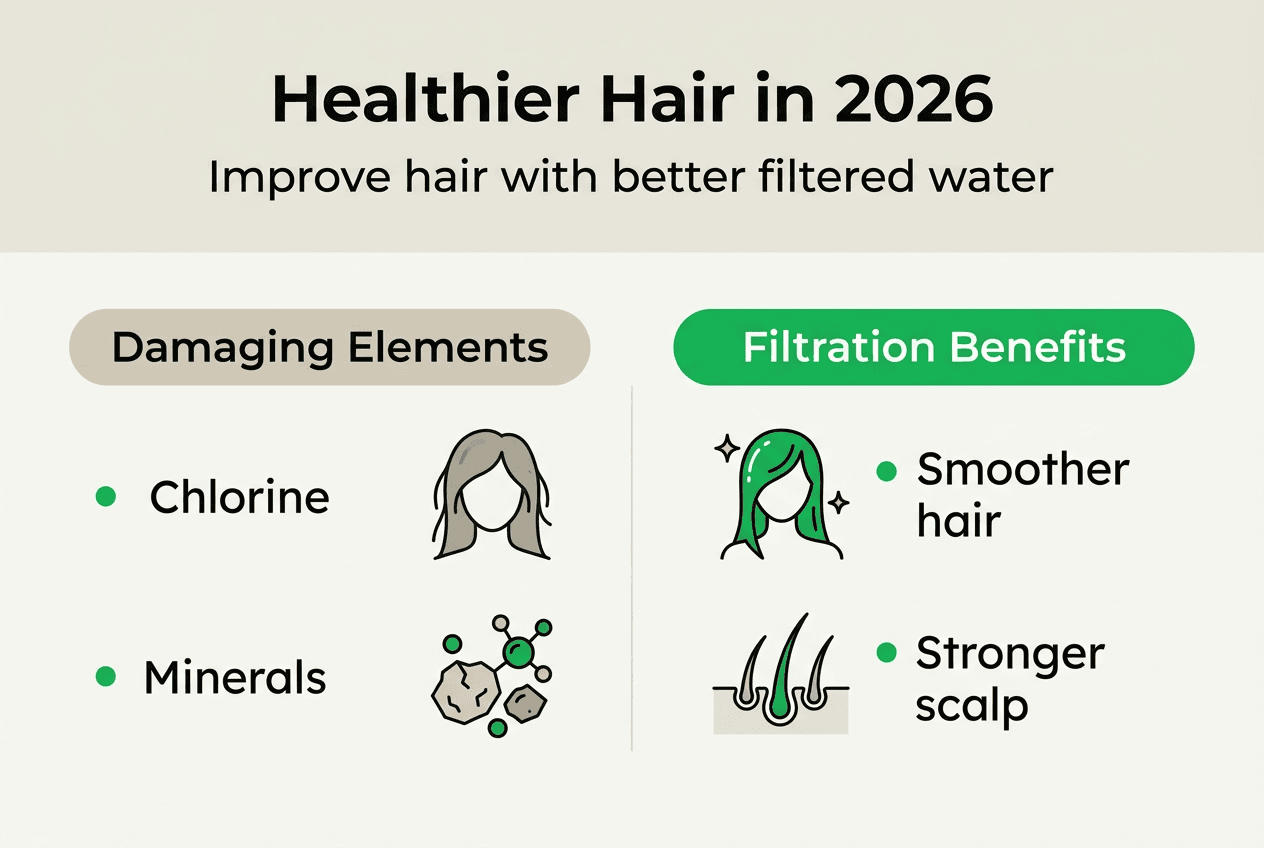
Your shower water carries more than just H2O. Hard water containing calcium and magnesium reacts with soap and shampoo to form a sticky residue that clings to hair strands and clogs scalp pores. This mineral buildup creates a barrier that prevents moisture from penetrating the hair shaft, leaving strands feeling rough and looking lifeless.
Chlorine presents an equally problematic challenge. Municipal water treatment facilities add this chemical to kill bacteria, but chlorine strips natural oils from both skin and hair during every shower. Without these protective oils, your hair becomes vulnerable to environmental damage, loses elasticity, and develops split ends more rapidly. Your scalp may respond with irritation, flaking, or increased oil production as it tries to compensate for the dryness.
The cumulative effect compounds over time. Hair is composed of dead protein cells arranged in overlapping layers called cuticles. When mineral deposits and chlorine repeatedly assault these protective layers, the cuticles lift and separate, creating a rough texture that tangles easily and reflects light poorly. This explains why your hair might feel coarse even immediately after washing.
Common water quality problems affecting hair health:
- Calcium and magnesium buildup preventing conditioner absorption
- Chlorine oxidation weakening protein bonds in hair structure
- Mineral deposits interfering with chemical treatments and color retention
- Soap scum formation reducing shampoo lather and cleaning effectiveness
People with sensitive skin face additional risks. The combination of chlorine and hard water minerals can trigger or worsen conditions like eczema, contact dermatitis, and seborrheic dermatitis. Your scalp’s natural protective barrier becomes compromised, allowing irritants to penetrate more easily and cause inflammation.
Pro Tip: Fill a clear glass with tap water and let it sit overnight. If you notice white residue or cloudiness settling at the bottom, you likely have hard water issues affecting your hair.
Understanding these mechanisms helps explain why expensive hair products sometimes fail to deliver promised results. No amount of premium conditioner can overcome the barrier created by mineral buildup, and even the best moisturizing treatments struggle against chlorine’s oil-stripping effects. Addressing water quality becomes the foundation for any effective hair care strategy.
Preparing your home for healthier hair: choosing the right filtration system
Selecting an appropriate filtration system starts with understanding your specific water chemistry. Water hardness is measured in parts per million (ppm) of dissolved minerals. Levels above 120 ppm typically cause noticeable hair problems. You can purchase inexpensive test strips online or request a water quality report from your municipal supplier to determine your baseline.
Several filtration technologies target different contaminants. Vitamin C filters excel at neutralizing chlorine and chloramine through a chemical reaction that converts these compounds into harmless chloride. These systems require periodic refills but offer excellent chlorine removal rates. Ceramic filters use porous media to trap minerals, sediment, and some bacteria through physical filtration. Antibacterial filters incorporate materials like KDF (Kinetic Degradation Fluxion) that inhibit bacterial growth while reducing chlorine and heavy metals.
Comparison of popular shower filter types:
| Filter Type | Removes | Maintenance | Best For |
|---|---|---|---|
| Vitamin C | Chlorine, chloramine | Refill every 2-4 weeks | High chlorine areas |
| Ceramic | Minerals, sediment, bacteria | Replace every 3-6 months | Hard water regions |
| KDF/Carbon | Chlorine, heavy metals, bacteria | Replace every 6-12 months | Comprehensive filtration |
Research shows that quality shower filters remove 80 to 90 percent of chlorine and significantly reduce hard water minerals, producing measurable improvements in hair and scalp condition. However, effectiveness varies based on water temperature, flow rate, and filter condition. Hot water accelerates chemical reactions, which can reduce filter lifespan but may improve contaminant removal efficiency.
Look for filters certified by independent organizations like NSF International or the Water Quality Association. These certifications verify that products actually deliver on their filtration claims rather than just passing water through ineffective media. Be cautious of exaggerated marketing promises, particularly regarding mineral removal percentages or unrealistic filter lifespans.
Some advanced systems now target emerging contaminants like PFAS (per and polyfluoroalkyl substances) and microplastics. While these aren’t the primary culprits behind hair damage, comprehensive filtration provides broader health benefits. Consider your budget, maintenance commitment, and specific water quality issues when choosing between single-stage and multi-stage filtration systems.
Pro Tip: Match your filter choice to your water source. City water typically has higher chlorine levels requiring vitamin C or carbon filtration, while well water often contains more minerals needing ceramic or ion-exchange media.
Installation compatibility matters too. Most shower filters attach between your existing shower arm and showerhead using standard threading. Measure your current setup and verify thread compatibility before purchasing. Handheld and wall-mounted options both work effectively, so choose based on your showering preferences and bathroom layout.
One often overlooked consideration is replacement cartridge availability. Some manufacturers discontinue filter models or make cartridges difficult to source. Check that replacement parts are readily available and reasonably priced before committing to a system. Subscription services can simplify maintenance by automatically shipping fresh cartridges on a schedule.
Implementing filtration and maintaining healthier hair through daily grooming routines
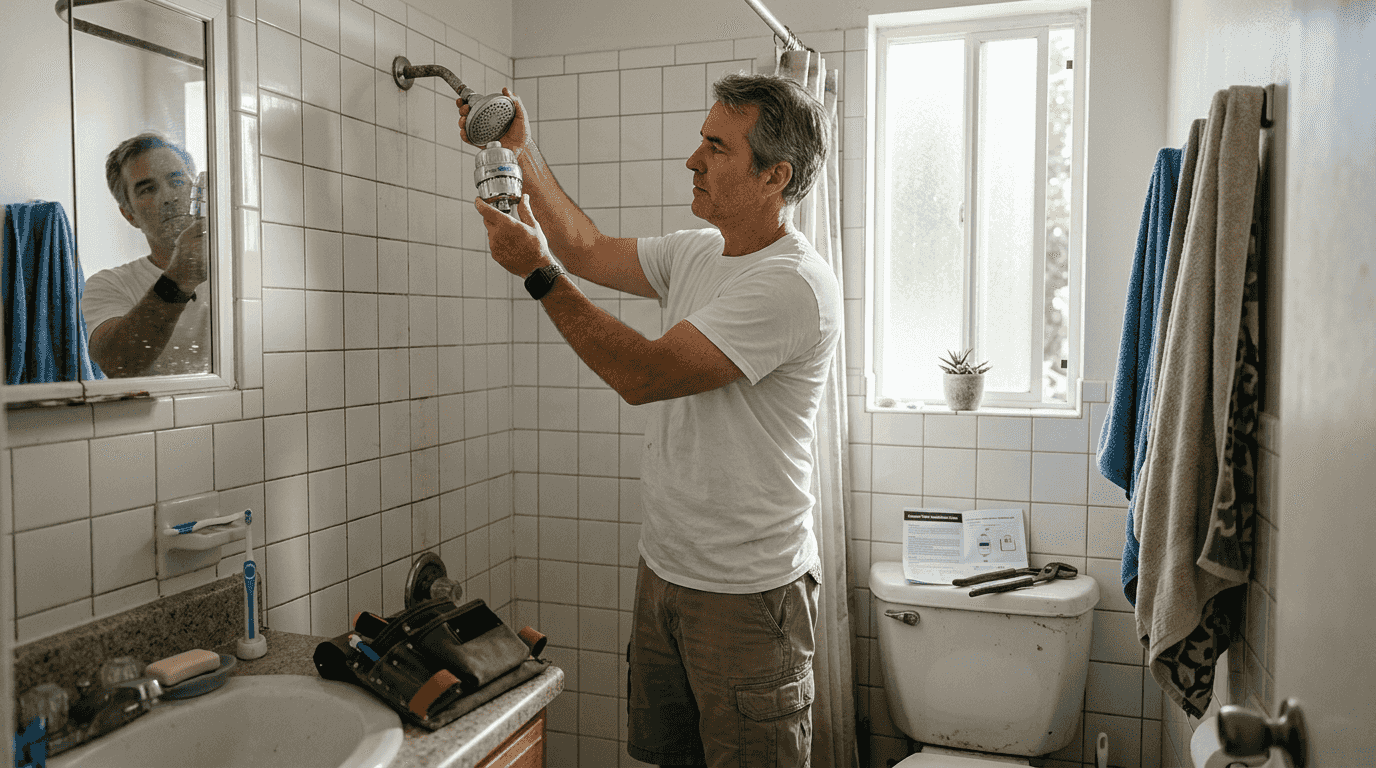
Installing your shower filter takes just minutes with basic tools. Start by removing your existing showerhead by turning it counterclockwise. Wrap plumber’s tape (also called Teflon tape) around the shower arm threads in a clockwise direction to ensure a watertight seal. Screw the filter housing onto the shower arm hand-tight, then attach your showerhead to the filter output. Turn on the water and check for leaks, tightening connections slightly if needed.
Once installed, let water run through the new filter for 30 seconds before your first shower. This flushes out any manufacturing residue or loose filter media. You’ll likely notice softer water immediately as filtered showerheads reduce hardness, chlorine, and heavy metals, creating a noticeably different feel on your skin and hair.
Steps to maximize hair health benefits from filtered water:
- Wet hair thoroughly with filtered water before applying shampoo to ensure even distribution
- Use a smaller amount of shampoo than usual since it will lather more effectively in soft water
- Massage scalp gently to lift mineral deposits that have accumulated over time
- Apply conditioner from mid-length to ends, allowing filtered water to help it penetrate the hair shaft
- Rinse completely using cooler water to seal cuticles and enhance shine
- Pat hair dry rather than rubbing vigorously to minimize cuticle damage
Filtered water enhances your existing hair products’ effectiveness. Without mineral interference, conditioning ingredients can actually reach the hair shaft instead of bonding with calcium and magnesium ions. Moisturizing treatments penetrate more deeply, and protein treatments rebuild damaged areas more efficiently. You might find that products you previously dismissed as ineffective suddenly deliver the results advertised.
Maintenance schedules vary by filter type and water usage. Vitamin C filters typically need refills every two to four weeks depending on household size and shower frequency. Ceramic and carbon filters generally last three to six months before requiring replacement. Keep a simple log noting installation dates to track when maintenance is due.
Watch for signs that your filter needs attention. Reduced water pressure often indicates clogging from trapped sediment. A return of chlorine smell or dry hair feeling suggests the filtration media has become saturated. Some advanced filters include indicator windows that change color when replacement is needed.
Pro Tip: Combine water filtration with sulfate-free shampoos and silicone-free conditioners to avoid reintroducing buildup that filtered water helps eliminate.
Don’t expect overnight miracles. Hair that has accumulated months or years of mineral deposits needs time to recover. The newest growth will show improvement first, while existing length gradually releases trapped minerals over several weeks. Patience pays off as your hair transitions to its natural, healthier state.
Consider adjusting your hair care routine as water quality improves. You may need to wash less frequently since your scalp won’t overproduce oil to compensate for chlorine drying. Heat styling tools might require lower temperature settings as hair becomes more responsive to styling. These positive adjustments reflect genuine improvements in hair health rather than temporary cosmetic fixes.
Monitoring progress and troubleshooting common hair and scalp issues after filtration
Tracking improvements helps you evaluate whether your filtration investment is delivering results. Most people notice initial changes within two to three weeks. Hair feels softer immediately after washing and maintains that softness longer between shampoos. Natural shine begins returning as cuticles lie flatter and reflect light more uniformly. Scalp irritation typically decreases as chlorine exposure diminishes.
More significant transformations emerge over eight to twelve weeks. Color-treated hair retains vibrancy longer without the fading caused by mineral buildup blocking conditioning ingredients. Natural curl patterns become more defined as hair achieves better moisture balance. Split ends develop more slowly, and overall breakage decreases as protein structures strengthen.
Positive signs your filtration system is working:
- Hair maintains moisture between washes instead of feeling dry by evening
- Reduced tangling and easier detangling after showering
- Less product needed to achieve desired styling results
- Scalp feels comfortable without itching, flaking, or tightness
- Hair color appears richer and lasts longer between treatments
If you’re not seeing expected improvements, several factors might be interfering. Check that your filter cartridge hasn’t exceeded its recommended lifespan. Even if water flow seems normal, saturated media stops removing contaminants effectively. Verify that all connections are tight and water isn’t bypassing the filter through small leaks.
Some people experience an adjustment period where hair feels different but not necessarily better. This often occurs as accumulated minerals gradually release from hair strands. The texture may feel unusual temporarily as your hair transitions from coated to clean. Stick with the filtered water routine through this phase rather than reverting to old habits.
Persistent dryness despite filtration might indicate that water quality isn’t your only challenge. Environmental factors like sun exposure, heating systems, and air conditioning also remove moisture from hair. Styling tools, chemical treatments, and even certain fabrics can cause damage that filtration alone cannot reverse. Address these complementary factors alongside water quality for comprehensive hair health.
If scalp conditions like severe dandruff, persistent redness, or painful irritation continue after eight weeks of filtered water use, consult a dermatologist. While filtration eliminates many common irritants, some scalp issues stem from fungal infections, autoimmune conditions, or allergic reactions requiring professional treatment. Filtration supports healthy skin and hair but doesn’t replace medical care when needed.
Pro Tip: Take photos of your hair every two weeks during the first three months of using filtered water. Visual documentation reveals gradual improvements that you might not notice day to day.
Consider keeping a simple journal noting hair texture, scalp comfort, and product performance. This record helps you identify patterns and make informed adjustments to your routine. You might discover that certain products work better with filtered water or that your hair responds particularly well to specific filter types.
Some people benefit from occasional clarifying treatments even with filtered water. These deep-cleaning shampoos remove any remaining buildup and reset your hair to its cleanest state. Use clarifying products monthly rather than weekly to avoid over-stripping natural oils that filtered water helps preserve.
Improve your hair health with Vitaclean filtration solutions
Now that you understand how water quality impacts your hair and the steps to implement effective filtration, you’re ready to experience the transformation firsthand. Vitaclean specializes in shower filtration systems designed specifically to address the chlorine, chloramines, and hard water minerals that compromise hair and scalp health. Our vitamin C shower filter shots provide powerful chlorine neutralization with easy refill maintenance, ensuring consistent water purity without complicated upkeep.
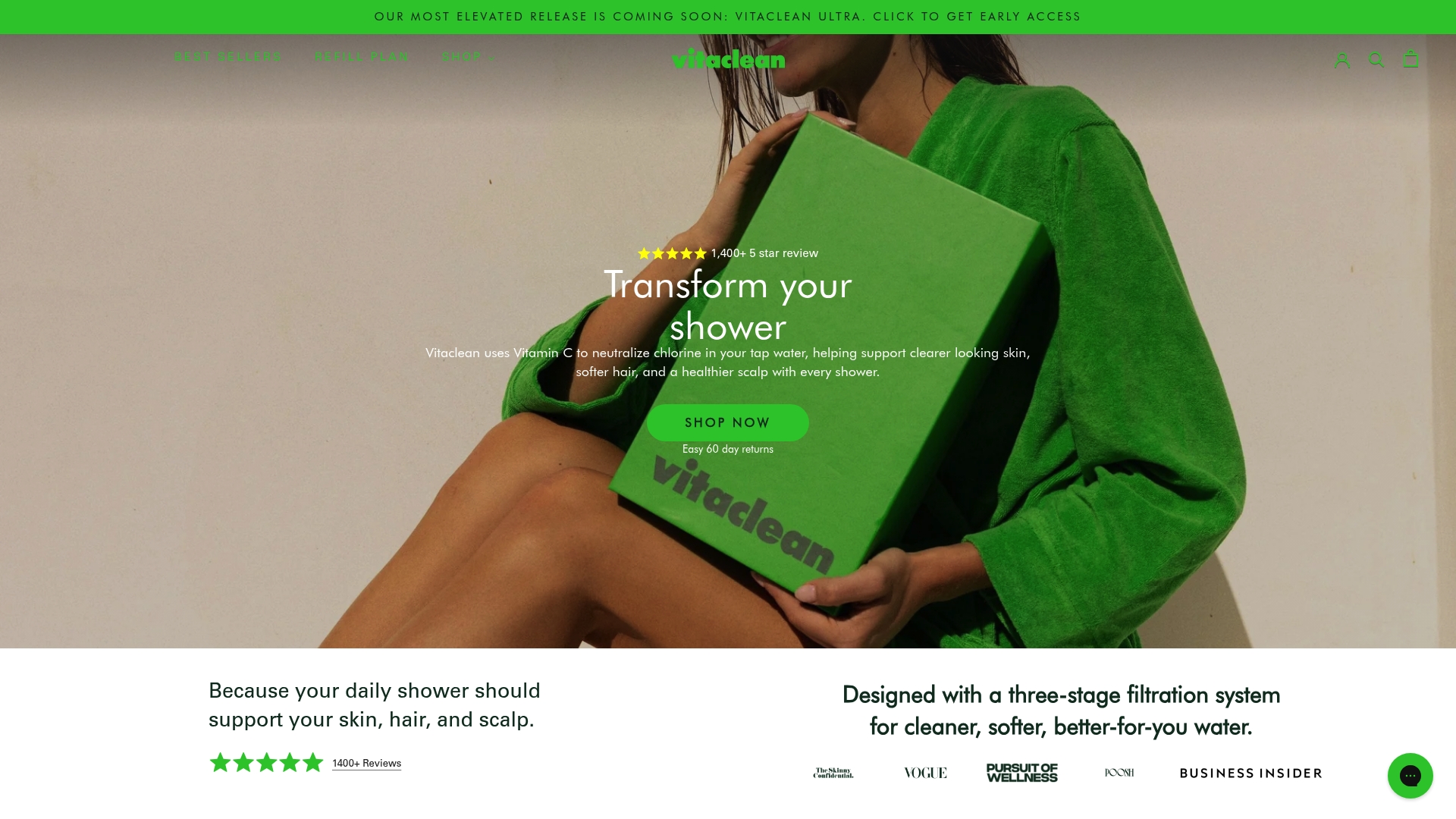
For comprehensive protection, explore our ceramic filters that trap minerals and sediment while our antibacterial filters add an extra layer of purification against microbial contaminants. Each Vitaclean product installs in minutes on standard shower fixtures, transforming your daily routine into a spa-like experience that actively supports healthier, more vibrant hair. Whether you’re battling hard water buildup or chlorine damage, Vitaclean offers tailored solutions that complement your journey to optimal hair health.
Frequently asked questions
What is the best filtration method to remove hard water minerals for hair care?
Vitamin C and ceramic filters both effectively reduce calcium and magnesium levels that cause hard water damage. Filtration methods combining these technologies provide the most comprehensive mineral reduction. Your choice depends on your specific water chemistry, with ceramic excelling in extremely hard water areas and vitamin C offering superior chlorine removal alongside moderate mineral reduction.
How often should I replace shower filter cartridges for optimal hair health?
Most ceramic and carbon filters require replacement every three to six months depending on water usage and household size. Vitamin C powder replacements need refilling every two to four weeks for full effectiveness against chloramine. Always follow manufacturer guidelines specific to your model, as water hardness and flow rates affect filter lifespan significantly.
Can filtration completely prevent hair dryness caused by tap water?
Filtration significantly reduces hair dryness by removing minerals and chlorine that strip natural oils. However, hair dryness also results from styling habits and environmental factors beyond water quality. Combine filtration with moisturizing products, heat protection, and gentle handling for comprehensive dryness prevention. Filtered water creates the foundation, but complete hair health requires addressing multiple factors.
Are filtered showerheads beneficial for people with sensitive scalp or eczema?
Filtered shower water substantially helps sensitive scalp conditions by removing chlorine and minerals that trigger irritation. Research links hard water exposure to increased eczema and contact dermatitis symptoms. While filtration provides meaningful relief, consult a dermatologist for persistent conditions requiring medical treatment alongside environmental improvements. Filtration works best as part of a comprehensive skincare approach rather than a standalone solution.
Recommended
- Yahoo! Lifestyle: How a shower filter will keep your hair colour for l
- Vitaclean in the Press
- Benefits for your hair and skin when using shower filters
- Shield Your Skin and Hair: Why You Need a Vitaclean Shower Filter to C
- Hair Care - Body Care - mybestpharmacy.net | Mybestpharmacy.net | Online Pharmacy