
Filter Replacement Tips for Healthier Water and Skin
TL;DR:
- Regular filter replacement is essential to maintain optimal home air and water quality while preventing system inefficiencies. Proper installation and scheduling—every 1 to 3 months for HVAC filters and 3 to 6 months for shower filters—ensure continuous protection for skin, hair, and health. Proactive, schedule-based changes, with fresh filters and safe disposal, optimize system performance and personal well-being over reactive maintenance.
Filter replacement is the single most effective maintenance action you can take to protect your home’s air quality, water purity, and the health of your skin and hair. Most homeowners replace filters too late, after water starts tasting off or skin feels dry and irritated. The right schedule, combined with correct installation, is what separates a filtration system that performs from one that just sits there. This article covers filter replacement tips for every major household system, from HVAC air filters and whole-house water cartridges to shower filters from brands like Vitacleanhq and FilterBuy.
1. How often should you replace different types of home filters?
Replacement frequency is the foundation of every filter maintenance plan. Get the timing wrong and you are either wasting money on unnecessary changes or letting a clogged filter degrade your water and air quality.
- HVAC air filters: Disposable HVAC filters should be replaced every 1 to 3 months, or sooner if visibly clogged. Homes with pets, allergy sufferers, or high dust levels need changes closer to the 1-month mark.
- Whole-house water filters: Cartridge filters typically require replacement every 6 to 12 months. Homes with hard water or high daily usage often need earlier changes than that range suggests.
- Pitcher and point-of-use filters: PFAS pitcher filter cartridges should be replaced every 6 months, or per the manufacturer’s indicator light. These filters retain contaminants, so delayed replacement means those contaminants stay in your drinking water.
- Shower filters: Most shower filters last 3 to 6 months depending on water hardness and usage frequency. Vitacleanhq recommends checking your filter’s output every 3 months for signs of reduced flow or skin changes.
- Pool cartridge filters: These need monthly rinsing and deep cleaning every 3 to 6 months, with full replacement approximately every 3 to 4 years.
Household size, water source, and local water quality all shift these timelines. A family of five on well water will burn through a whole-house cartridge faster than a single renter on city water. Replacement scheduling should be personalized to your system and conditions, not just copied from the box.
Pro Tip: Set a recurring phone reminder the day you install any new filter. Write the installation date on the filter housing with a permanent marker so you never have to guess.
2. Step-by-step best practices for replacing home air filters
HVAC filter replacement is one of the most DIY-friendly home maintenance tasks, but small mistakes cause big performance losses. Follow these steps every time.
- Turn off your HVAC system. Running the system during replacement pulls unfiltered air through the unit and scatters dust throughout your home.
- Locate the filter slot. Most filters sit in the return air vent or inside the air handler. Check your system manual if you are not sure.
- Check the filter size. The size is printed on the frame of your current filter. Write it down before you dispose of the old one.
- Remove the old filter carefully. Avoid shaking the filter during removal. Shaking re-releases trapped dust and allergens back into your air. Slide it straight out and bag it immediately.
- Wipe the filter housing. Use a dry cloth to remove dust from the slot before inserting the new filter. This step prevents contamination and helps the new filter seal properly.
- Install with the airflow arrow pointing toward the blower motor. The arrow direction is printed on every filter frame. Installing it backward reduces filtration efficiency significantly.
- Check for gaps. A snug, gap-free fit is non-negotiable. Even a small gap lets unfiltered air bypass the filter entirely, defeating its purpose.
- Dispose of the old filter in a sealed bag. This contains the dust and allergens trapped inside.
Pro Tip: Buy filters in multipacks from FilterBuy or your local hardware store and keep two spares on hand. When you install a new filter, immediately reorder so you are never caught without a replacement.
One critical rule: never attempt to clean and reuse a disposable HVAC filter. Cleaning disposable filters significantly reduces their effectiveness. The fibers that trap particles break down when washed, and the filter loses its ability to capture allergens and dust.
3. Replacing whole-house and pitcher water filters
Water filter replacement protects your drinking water and your plumbing. The process is straightforward, but a few details make the difference between a clean install and a leaky one.
- Identify your cartridge type. Check your system manual or the cartridge label. Whole-house systems use sediment, carbon, or specialty cartridges. Using the wrong type defeats the purpose of the system.
- Watch for replacement signals. The clearest signs are a change in water taste or odor, a drop in water pressure, or a discolored stream. These indicate the cartridge is saturated and no longer filtering effectively.
- Shut off the water supply to the filter housing before opening it. Skipping this step creates a mess and risks contaminating your new cartridge.
- Remove the old cartridge and inspect the housing. Rinse the housing with clean water and check the O-ring for cracks. A damaged O-ring causes leaks after reinstallation.
- Install the new cartridge per the manufacturer’s orientation. Some cartridges are directional. Installing them backward reduces flow rate and filtration performance.
- Flush the system. Run water through the new filter for 2 to 5 minutes before drinking it. This clears any carbon fines or manufacturing residue from the new cartridge.
For PFAS filters specifically, disposal matters as much as replacement timing. PFAS cartridges retain concentrated contaminants, so they must be bagged and disposed of according to local hazardous waste guidelines, not thrown in the regular trash.
- Record the installation date in a home maintenance log or a simple notes app.
- Set a 6-month calendar reminder as a default, then adjust based on your water quality and usage.
- Monitor pressure at your tap. A noticeable drop before your scheduled date means the cartridge is clogged and needs early replacement.
4. Maintaining shower filters for better skin and hair
Shower filters are the most directly beauty-relevant filtration system in your home. Chlorine, heavy metals, and sediment in unfiltered tap water strip natural oils from your skin and hair, contributing to dryness, breakouts, and scalp irritation. A clean, functioning shower filter removes these before they reach you.
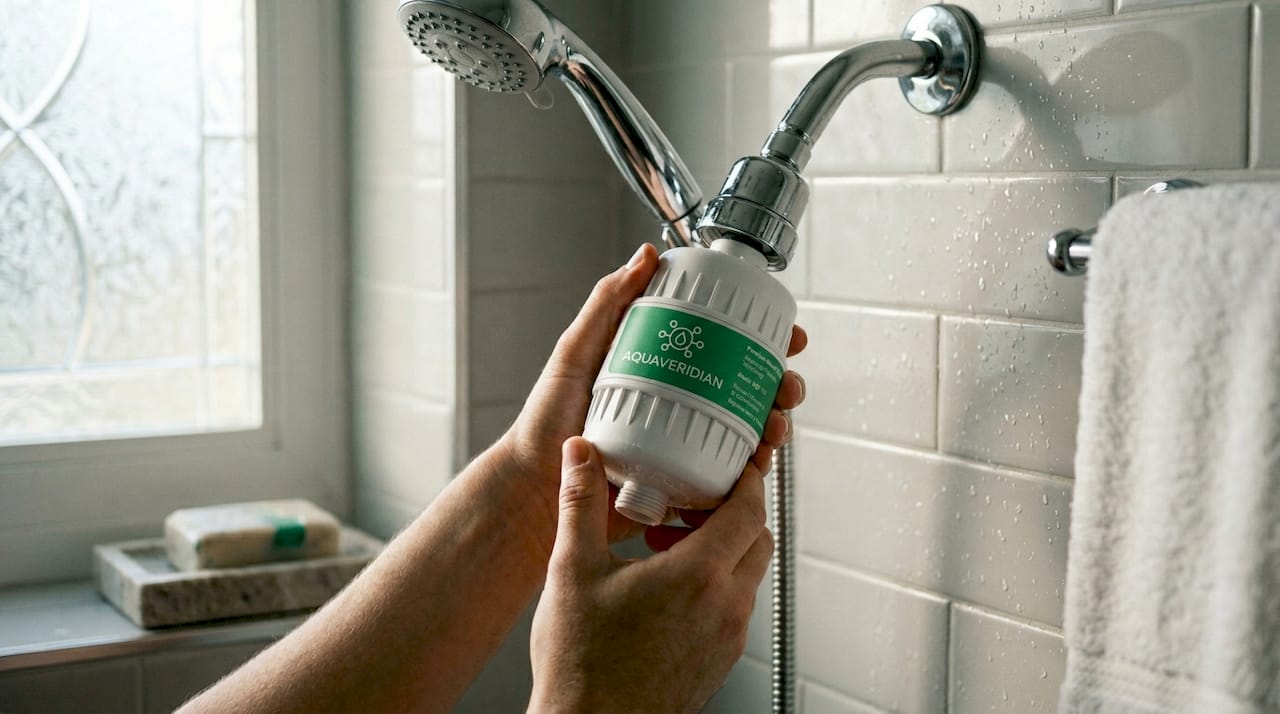
Most shower filters last 3 to 6 months, depending on your water hardness and how many people use the shower. The benefits for skin and hair from a fresh filter are measurable: softer skin, less scalp flaking, and hair that holds moisture better.
Signs you need to replace your shower filter immediately include:
- A return of chlorine smell during your shower
- Skin feeling tight or dry after washing, even with moisturizer
- Hair becoming brittle or losing shine between washes
- Visible discoloration or buildup on the filter housing
You can find a detailed breakdown of urgent replacement signals on the Vitacleanhq blog, which covers both visual and sensory indicators specific to shower filtration.
Replacing a Vitacleanhq shower filter takes under five minutes. Unscrew the filter housing from the shower head, remove the spent cartridge, insert the new one, and reattach. No tools required for most models. Vitacleanhq’s vitamin C filter shots are designed for this exact process, neutralizing chlorine at the point of contact before water hits your skin.
Pro Tip: If you live in an area with hard water, replace your shower filter at the 3-month mark rather than waiting for 6. Hard water accelerates mineral buildup inside the cartridge and reduces its chlorine-neutralizing capacity well before the standard interval.
5. Comparing filter types: lifespan, maintenance, and health impact
Different filters serve different purposes, and their maintenance demands vary widely. This table gives you a direct comparison to help you plan your home’s full filtration schedule.
| Filter type | Replacement interval | Primary health benefit | Maintenance effort |
|---|---|---|---|
| HVAC air filter | Every 1 to 3 months | Reduces airborne allergens and dust | Low. DIY swap in under 10 minutes. |
| Whole-house water filter | Every 6 to 12 months | Removes sediment, chlorine, and contaminants from all taps | Moderate. Requires shutting off water supply. |
| Pitcher or point-of-use filter | Every 6 months | Targets PFAS, lead, and chemical contaminants in drinking water | Low. Cartridge swap with no tools. |
| Shower filter | Every 3 to 6 months | Protects skin and hair from chlorine and heavy metals | Low. Unscrew and replace in minutes. |
| Pool cartridge filter | Monthly rinse, full replacement every 3 to 4 years | Maintains safe swimming water | High. Requires disassembly and deep cleaning. |
Air filters primarily reduce airborne dust and allergens, while shower and faucet filters target dissolved water contaminants. Managing each system’s replacement schedule separately is the only way to cover all the health bases in your home. Treating them as one category leads to missed replacements and degraded performance across the board.
When choosing the right filter for any system, prioritize filters that match your water source. City water typically needs chlorine and sediment filtration. Well water often requires iron and bacteria filtration. Shower filters designed for vitamin C neutralization, like those from Vitacleanhq, are built specifically for chlorinated municipal water.
Key takeaways
Consistent, schedule-driven filter replacement is the most reliable way to protect your home’s air quality, water purity, and the health of your skin and hair.
| Point | Details |
|---|---|
| Match intervals to your system | HVAC filters need changes every 1 to 3 months; shower and water filters every 3 to 6 months. |
| Install HVAC filters correctly | Airflow arrow toward the blower, no gaps, housing wiped clean before insertion. |
| Replace shower filters for skin health | A spent shower filter lets chlorine and metals reach your skin and hair every single day. |
| Personalize your schedule | Hard water, large households, and well water all shorten standard replacement intervals. |
| Dispose of PFAS filters safely | Bag and discard per local hazardous waste rules. Never put them in regular trash. |
Why I stopped waiting for signs and started replacing on a schedule
Most homeowners I talk to replace filters reactively. The water tastes off, the skin gets dry, the HVAC starts running longer. By that point, the filter has been degraded for weeks or months, and the damage to your water quality, your system’s efficiency, and your skin has already accumulated.
The shift that made the biggest difference for me was treating filter replacement like a utility bill. It happens on a date, not when something breaks. I log every installation date in a shared home notes file, and I keep one spare for every filter type in the house. That habit has eliminated every reactive replacement I used to do.
The other thing most guides skip: the shower filter is the most personal filter in your home. You interact with it twice a day, every day. A clogged or expired shower filter is not just a maintenance issue. It is a daily skin and hair exposure issue. I have seen people spend significant money on serums and conditioners while their shower filter has been expired for eight months. The clean water foundation matters more than most people realize in a beauty routine.
Proactive replacement also costs less over time. A clogged HVAC filter makes your system work harder, raising energy bills. A saturated water cartridge lets contaminants through, which means you are paying for a filter that is not filtering. The cost of a replacement cartridge is always less than the cost of the problem it prevents.
— Sara
Keep your water clean with Vitacleanhq
If your shower filter is overdue for a change, Vitacleanhq makes it easy to stay on schedule. The vitamin C shower filter shots are designed for fast, tool-free replacement and neutralize chlorine at the point of contact, protecting your skin and hair with every shower. For a full handheld option, the handheld shower filter replacement fits most standard shower arms and installs in minutes. Vitacleanhq also offers a subscription service so your next filter arrives before your current one expires. Browse the full range of shower filter replacements and find the right fit for your home.
FAQ
How often should I replace my shower filter?
Most shower filters need replacement every 3 to 6 months. If you have hard water or multiple daily users, replace closer to the 3-month mark to maintain chlorine-neutralizing performance.
What are the signs that a water filter needs replacing?
The clearest signs are a change in water taste or odor, reduced water pressure, or skin and hair feeling dry and irritated after showering. These indicate the cartridge is saturated and no longer filtering effectively.
Can I clean and reuse a disposable HVAC filter?
No. Cleaning disposable HVAC filters damages the fiber structure that traps particles and significantly reduces filtration effectiveness. Replace them on schedule rather than attempting to extend their life.
How do I dispose of a PFAS water filter cartridge?
PFAS cartridges retain concentrated contaminants and must be bagged and disposed of according to local hazardous waste guidelines. Check your municipality’s guidelines before discarding.
Does replacing my shower filter actually improve skin and hair health?
Yes. Chlorine and heavy metals in unfiltered tap water strip natural oils from skin and hair. A fresh shower filter removes these contaminants before they reach you, resulting in softer skin and less brittle hair over time.