
What Causes Hard Water Stains and How to Stop Buildup
TL;DR:
- Hard water stains are caused by mineral deposits from evaporation, especially in hot showers. Different stain colors indicate specific minerals like calcium, iron, manganese, or copper. Addressing hard water involves surface wiping, targeted cleaners, filtration, and monitoring water quality to improve surface cleanliness and skin and hair health.
You scrub your shower until it sparkles, step out for a few hours, and come back to fresh white chalky marks already forming on the glass. It feels like a losing battle. Those stubborn spots are not dirt or soap scum. They are mineral deposits left behind by your water supply, and they are doing more than ruining the look of your bathroom. Hard water affects over 85% of American homes, and the stains it leaves are a direct signal that your skin and hair are being exposed to the same minerals every single time you shower. This guide breaks down exactly what causes those stains, what the different colors mean, and what you can do about it.
Table of Contents
- How hard water stains form in your shower
- Types of stains: White scale, rust, and blue-green marks
- The hidden risks of hard water stains for skin and hair health
- What makes hard water stains worse: Heat, pH, and plumbing quirks
- What you can do: Solutions to stop and prevent stains
- What most guides miss: Stains are just the start
- Protect your shower and health with simple filtration
- Frequently asked questions
Key Takeaways
| Point | Details |
|---|---|
| Stains signal mineral buildup | Visible spots show calcium, magnesium, or other minerals are settling on your shower surfaces. |
| Multiple stain colors, multiple causes | White, red, black, and blue-green marks each point to different mineral sources and require unique fixes. |
| Health impacts matter too | The same minerals causing stains can leave residue on your skin and hair, leading to dryness and irritation. |
| Prevention beats deep cleaning | Dry surfaces, regular filter use, and smart water testing keep stains—and their side effects—at bay. |
How hard water stains form in your shower
Hard water is water that carries a high concentration of dissolved minerals, primarily calcium and magnesium. These minerals are picked up naturally as water moves through rock and soil before it reaches your home. When you turn on the shower, that mineral-rich water sprays onto every surface, including your glass door, tiles, fixtures, and shower head.
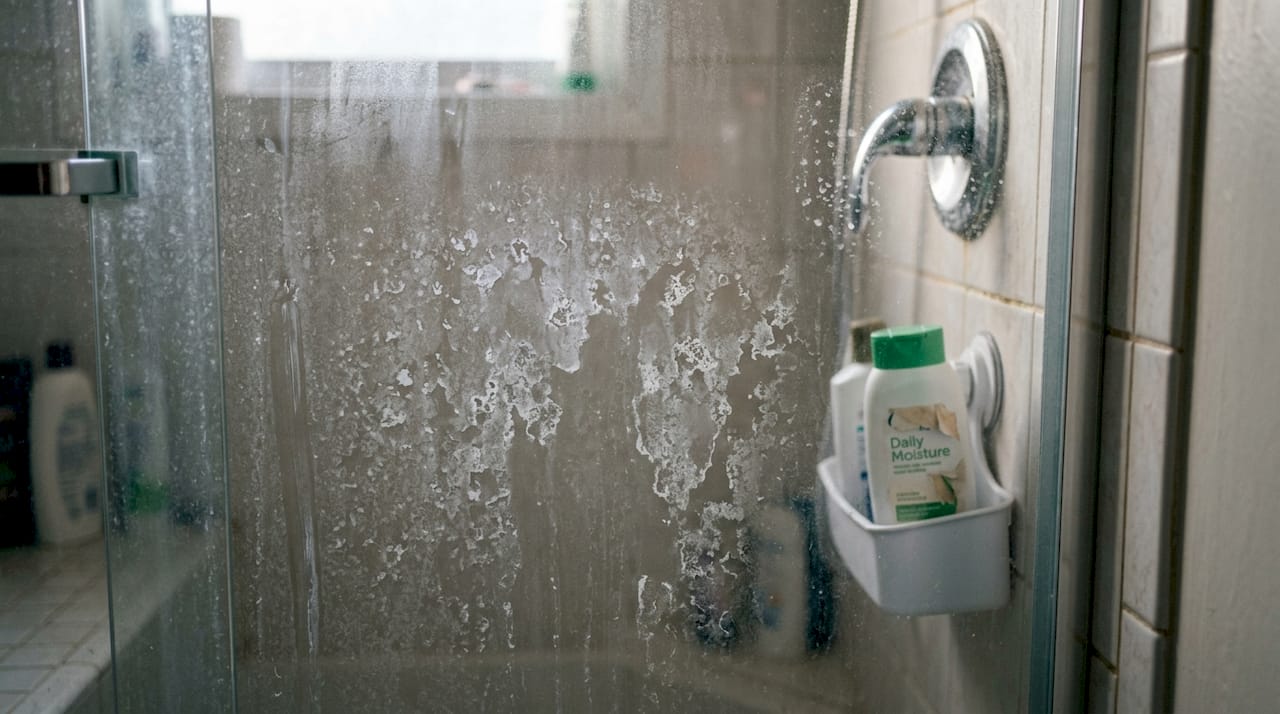
Here is where the chemistry gets interesting. While the water is wet, the minerals stay dissolved and invisible. But the moment water starts to evaporate, especially in a hot, steamy shower environment, those minerals get left behind as solid deposits. Stains form through evaporation, leaving minerals behind as scale on whatever surface the water touched last. Heat speeds up evaporation, which is why your shower accumulates buildup faster than your kitchen sink.
Over time, these deposits stack on top of each other. A single shower might leave a barely visible film. A week of showers without wiping down surfaces creates a visible white crust. A month in, you are looking at thick limescale that resists basic cleaning.
The same buildup happens inside your shower head, narrowing the spray holes and reducing water pressure. And those minerals do not just stay on your fixtures. They coat your skin and hair with every rinse, which is why the effects of hard water on hair show up as dullness, dryness, and breakage over time.
| Surface | Why it builds up fast | What you see |
|---|---|---|
| Glass shower doors | Water sheets and evaporates quickly | White haze or streaks |
| Tiles and grout | Porous surface traps minerals | Chalky white crust |
| Shower head | Minerals block spray holes | Reduced pressure, white crust |
| Faucets and fixtures | Constant water contact | Thick white or colored deposits |
Pro Tip: After your last shower of the day, take 30 seconds to wipe down glass and tile with a squeegee or dry cloth. This one habit removes most of the water before it evaporates and dramatically slows mineral buildup.
Types of stains: White scale, rust, and blue-green marks
Not every stain in your shower is the same, and the color is actually a clue about which mineral is causing the problem. Learning to read those colors helps you clean more effectively and understand what is in your water.
White or gray stains are the most common. These are calcium and magnesium deposits, also called limescale. They look chalky and feel rough to the touch. Acidic cleaners like white vinegar dissolve them well because acid breaks down the mineral crystals.
Red or rust-colored stains point to iron in your water supply. This is especially common in homes with older plumbing or those using well water. The iron oxidizes when it hits air and water, leaving a rust-like stain that can be stubborn and may require a dedicated iron-removing cleaner.
Black or dark brown stains often indicate manganese, another mineral found in well water and some municipal supplies. Manganese deposits can look like mold at first glance, but they do not wipe away like mold does.
Blue-green stains are a sign that copper is leaching from your pipes. This happens when water is slightly acidic, which corrodes copper plumbing and leaves a distinctive teal or greenish mark around drains and fixtures. Iron, manganese, and copper in hard water can produce stains in colors beyond white, each pointing to a specific mineral source.
Understanding stain color matters because it guides your cleaning strategy and reveals what your water is carrying. Those same minerals that stain your tiles are also making contact with your skin and hair during every shower, which is why identifying them early is worth your time.
- White or chalky: calcium and magnesium (limescale)
- Red or rust: iron, often from old pipes or well water
- Dark brown or black: manganese deposits
- Blue-green: copper leaching from corroded pipes
| Stain color | Mineral source | Best cleaning approach |
|---|---|---|
| White or gray | Calcium, magnesium | White vinegar or citric acid |
| Red or rust | Iron | Iron-specific remover |
| Dark brown | Manganese | Oxidizing cleaner |
| Blue-green | Copper | Mild acid, address pipe pH |
The hidden risks of hard water stains for skin and hair health
Here is the part most cleaning guides skip entirely. Those stains on your shower walls are not just a housekeeping problem. They are a visible record of what is also landing on your skin and hair every single day.
“Hard water does not just affect your surfaces. It coats your hair shaft and sits on your skin, disrupting moisture balance and causing long-term irritation.”
Mineral residue on your body works differently than residue on tile. On tile, it dries and sits there. On your skin, it can interfere with your skin’s natural barrier, blocking moisture from getting in and trapping irritants against the surface. The result is dryness, tightness, and in some cases, breakouts or eczema flares.
On your hair, calcium and magnesium bind to the hair shaft and make it rough and porous. This is why hard water exposure can damage hair condition over time, leaving it looking dull, feeling brittle, and harder to manage no matter how good your shampoo is.
Here are the three most common health signals tied to hard water exposure:
- Dull, lifeless hair that does not respond well to conditioner, caused by mineral coating on the hair shaft.
- Dry or itchy skin that feels tight after showering, even when you moisturize regularly.
- Scalp buildup or irritation, which can look like dandruff but is actually mineral residue clogging follicles.
If you are seeing stains in your shower and experiencing any of these symptoms, they are connected. Exploring solutions for hard water and skin is not just about your bathroom’s appearance. It is about protecting your health. A step-by-step approach to hard water solutions can make a real difference in how your skin and hair feel within weeks.
What makes hard water stains worse: Heat, pH, and plumbing quirks
Not every home deals with stains at the same rate. Some people scrub weekly and barely keep up. Others seem to get by with minimal effort. The difference usually comes down to a few specific variables that most guides never mention.
Heat is the biggest accelerator. Hot showers create more steam, which means faster evaporation and heavier mineral deposits per session. If you love long, hot showers, you are essentially running a mineral concentration machine in your bathroom.
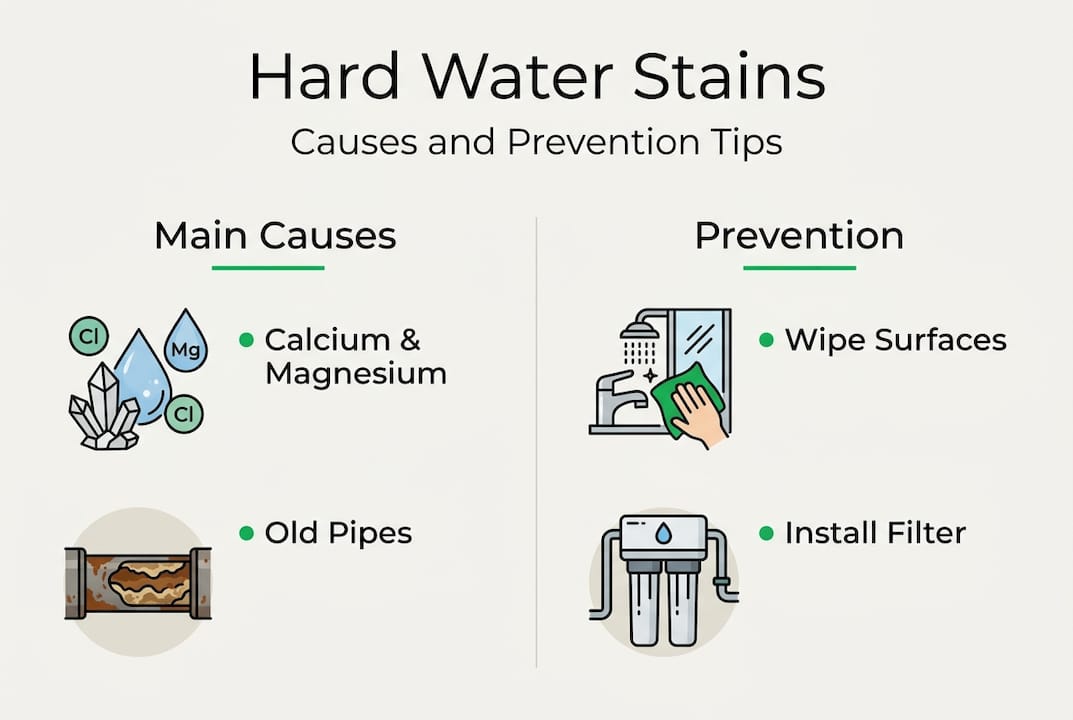
Water pH plays a surprising role. Acidic water corrodes pipes, which is why low pH water causes blue-green copper stains and can introduce new minerals into your water even if your source supply is relatively clean. Well water users are especially vulnerable to sudden changes in mineral content depending on seasonal rainfall and local geology.
Old plumbing multiplies the problem. Older galvanized steel or copper pipes leach minerals directly into your water as they corrode. Even if your city’s water supply is moderate in hardness, your home’s internal plumbing can push the mineral load much higher by the time water reaches your shower head.
Pro Tip: Pick up an inexpensive home water testing kit online or at a hardware store. Testing your water for hardness, pH, iron, and copper takes about five minutes and tells you exactly which minerals you are dealing with. This makes your cleaning and filtration choices much more targeted.
Factors that make staining worse in your home:
- Very hot shower temperatures (above 105°F)
- Low pH or acidic water supply
- Well water with variable mineral content
- Aging copper or galvanized steel pipes
- Infrequent surface wiping after showers
Understanding the difference between hard and soft water and how each affects your skin is a useful first step before investing in any filtration solution.
What you can do: Solutions to stop and prevent stains
Now that you understand the full picture, here is how to actually fix it. These steps move from quick daily habits to longer-term upgrades, so you can start where it makes sense for your situation.
- Wipe down surfaces after every shower. Wiping surfaces dry after use is the single most effective preventive step. A squeegee on glass and a quick towel wipe on fixtures takes under a minute and stops most deposits before they form.
- Use a mineral-targeting cleaner weekly. White vinegar diluted with water works well for calcium and magnesium. For rust or manganese stains, look for a cleaner specifically labeled for iron or hard water removal.
- Soak your shower head monthly. Remove the shower head and soak it in white vinegar for 30 to 60 minutes. This dissolves internal mineral buildup and restores water pressure.
- Install a shower head filter. Filtration addresses the root cause by reducing mineral concentration before water hits your surfaces or your body. This protects your skin and hair, not just your tiles.
- Test your water and track changes. Use a home testing kit every few months, especially if you notice new stain colors or a sudden increase in buildup. This helps you catch plumbing issues early.
Pro Tip: If you rent and cannot install a whole-home water softener, a filtered shower head is the most practical and affordable upgrade available. No plumber needed, and most models install in minutes.
For a full breakdown of what to prioritize, the hard water solutions checklist is a great place to map out your next steps.
What most guides miss: Stains are just the start
Most articles about hard water stains treat them as a cleaning inconvenience. Scrub harder, use more vinegar, buy a better squeegee. That advice is not wrong, but it is incomplete in a way that matters.
Stains are a symptom. They tell you that your water is mineral-heavy enough to leave visible deposits on hard surfaces. If it is doing that to your tile, it is doing something similar to your skin barrier and hair shaft every single day. The difference is that tile can be scrubbed. Your skin and hair absorb that exposure over months and years.
We think the real shift happens when you stop treating hard water as a housekeeping problem and start treating it as a water quality issue. That reframe changes what solutions you reach for. Filtration, not just cleaning products. Prevention, not just removal.
Ignoring the stains means accepting ongoing mineral exposure for everyone in your household. Addressing the root causes of hard water and wellness pays off in cleaner surfaces, yes, but more importantly in healthier skin, shinier hair, and a shower environment you can actually trust.
Protect your shower and health with simple filtration
If the stains in your shower have you thinking about what is actually in your water, you are asking the right question. Vitaclean’s vitamin C shower filters are designed to neutralize chlorine and reduce mineral impact before water ever touches your skin or your surfaces.

For homes with heavier mineral loads, the ceramic shower filter offers an additional layer of protection. Both options are renter-friendly, install in minutes, and require no tools. Replacing filters on a regular schedule keeps your water quality consistent and your bathroom looking cleaner with less effort. See the full checklist to find the right combination of habits and products for your home.
Frequently asked questions
Are hard water stains permanent?
No, most hard water stains can be removed with the right cleaning methods and prevented with ongoing care. Stains build up over time but respond well to acidic cleaners and consistent surface wiping.
Why do some stains in my shower look red or blue-green?
Red stains are usually from iron in your water, while blue-green ones come from copper pipes reacting with acidic water. Minerals like iron and copper cause colored stains in addition to the more common white scale.
Can hard water stains affect my skin and hair health?
Yes, mineral buildup from hard water can make skin dry and hair dull by leaving residue after every shower. Hard water damages hair and skin over time through repeated mineral exposure.
What is the fastest way to prevent hard water stains from forming?
Wiping shower surfaces dry after each use is the quickest preventive step you can take. Evaporation leaves minerals behind, so removing water before it dries stops most deposits from forming in the first place.