
Hard water solutions checklist for healthier skin and hair
If you’ve noticed persistent skin dryness, itchy scalp, or brittle hair despite a solid skincare routine, your shower water might be the culprit. Hard water affects approximately 85% of U.S. homes, leaving mineral deposits that strip moisture and weaken hair strands. Selecting the right shower filtration system can transform your daily routine, but the market offers everything from simple showerhead filters to complex whole-house softeners. This checklist walks you through the essential criteria, technologies, and maintenance considerations to help you choose a solution that matches your budget, living situation, and health goals.
Table of Contents
- Understanding Hard Water And Its Effects
- Selection Criteria For Shower Filters
- Types Of Shower Filtration Solutions
- Comparing Shower Filters: Pros, Cons, And Use Cases
- Maintenance And Replacement Guidelines
- Summary Comparison Table And Situational Recommendations
- Shop Effective Shower Filtration Solutions At Vitaclean
Key takeaways
| Point | Details |
|---|---|
| Hard water and chlorine damage skin and hair | Minerals and chemicals reduce soap effectiveness, cause dryness, and weaken hair structure. |
| Effective filters combine multiple technologies | Vitamin C, KDF, and activated carbon work together to remove chlorine and reduce mineral buildup. |
| Installation type matters for renters vs homeowners | Showerhead filters install in minutes without tools, while whole-house systems require professional plumbing. |
| Filter lifespan affects long-term costs | Replacement intervals range from 3 to 6 months, with cartridge costs between $20 and $80. |
| Whole-house softeners remove minerals but not chlorine | Ion exchange systems eliminate calcium and magnesium but require additional chlorine filtration. |
Understanding hard water and its effects
Hard water contains elevated levels of dissolved calcium and magnesium minerals that accumulate during water’s journey through underground limestone and chalk deposits. When this mineral-rich water meets your skin, it creates a film that prevents soap from rinsing cleanly and leaves residue that clogs pores. Your skin’s natural moisture barrier weakens, leading to tightness, flaking, and increased sensitivity.
The impact extends beyond surface discomfort. Studies link hard water to eczema flare-ups, particularly in children and adults with existing skin conditions. Hair absorbs these minerals, causing cuticles to lift and creating a rough, tangled texture that’s prone to breakage. The minerals also interfere with hair color treatments, causing faster fading and uneven tones.
Chlorine compounds the problem. Municipal water systems add chlorine for disinfection, but this chemical strips natural oils from your scalp and skin. Combined with mineral deposits, chlorine exposure during daily showers creates a cycle of dryness that standard moisturizers struggle to reverse. The effects of hard water on hair include dullness, increased breakage, and difficulty maintaining styles.
Common problems from hard water exposure include:
- Persistent dry, itchy skin that worsens after showering
- Brittle, lifeless hair with excessive tangling and static
- Scalp irritation, dandruff, and product buildup
- Reduced lather from soaps and shampoos
- Skin conditions like eczema becoming more severe
Addressing these issues requires targeted filtration that handles both mineral content and chemical additives. Understanding your water composition helps you select appropriate treatment technology rather than wasting money on ineffective solutions.
Selection criteria for shower filters
Choosing a shower filter requires evaluating several technical and practical factors that determine long-term satisfaction. Start by testing your water hardness using an inexpensive kit from hardware stores. Results measured in grains per gallon (gpg) or parts per million (ppm) guide your filtration needs. Water above 7 gpg (120 ppm) qualifies as hard and benefits significantly from mineral reduction.
Filtration effectiveness varies dramatically between technologies. Vitamin C (ascorbic acid) neutralizes chlorine through a chemical reaction that converts it to harmless chloride. KDF media uses copper-zinc alloys to remove chlorine, heavy metals, and some bacteria through oxidation-reduction. Activated carbon captures organic compounds and improves taste and odor. Multi-stage systems combine these technologies for comprehensive treatment.
Pro Tip: Request a water quality report from your municipal supplier or conduct independent testing to identify specific contaminants before investing in filtration equipment.
Filter lifespan and replacement costs directly impact total ownership expenses. Multi-stage filters maintain efficacy for approximately 90 days before cartridge replacement becomes necessary. Calculate annual replacement costs by dividing cartridge price by months of service, then multiply by 12. A $40 cartridge lasting three months costs $160 yearly, while a $60 cartridge lasting six months costs $120 annually.
Installation type affects both convenience and suitability for your living situation. Showerhead replacements screw directly onto existing plumbing without tools, making them ideal for renters who need portable solutions. Inline filters connect between the shower arm and existing head, preserving your preferred showerhead while adding filtration. Whole-house systems treat all water entering your home but require permanent plumbing modifications and professional installation.
Water pressure impact deserves consideration. Dense filtration media can restrict flow, reducing pressure noticeably. Quality filters balance thorough filtration with minimal pressure loss through optimized media density and flow paths. Check manufacturer specifications for pressure drop measurements, aiming for systems that maintain at least 2.0 gallons per minute flow rate.
Personal health needs influence technology selection. Sensitive skin benefits most from chlorine removal, making Vitamin C filters highly effective. Severe hard water problems require mineral reduction through KDF or ion exchange media. Those with specific sensitivities to metals or chemicals need targeted solutions addressing those contaminants. The benefits of shower filters extend beyond basic filtration when matched properly to individual water quality issues.
Types of shower filtration solutions
Vitamin C filters excel at chlorine neutralization, removing up to 99% through ascorbic acid’s chemical reaction with chlorine compounds. This technology works across all water temperatures, unlike some carbon filters that lose effectiveness in hot water. Vitamin C cartridges typically last 2 to 3 months in average households, with visible depletion as the white crystals dissolve. The resulting chloride is harmless and rinses away without residue.
Multi-stage filtration systems combine several media types in sequential chambers for comprehensive treatment. A typical configuration includes:
- KDF media for chlorine, heavy metals, and bacteria reduction
- Activated carbon for organic chemical removal and odor improvement
- Ceramic beads for mineral crystallization and antimicrobial action
- Calcium sulfite for chloramine removal (a chlorine alternative some municipalities use)
These systems address both mineral content and chemical additives simultaneously. Advanced 20-stage systems remove 99% of chlorine and toxic chemicals, providing the most thorough purification available in point-of-use filters. However, increased stages don’t always mean better performance. Well-designed 3 to 5 stage systems often outperform poorly engineered 15+ stage products.
Inline filters connect between your shower arm and existing showerhead, preserving your preferred spray pattern while adding filtration. Installation requires removing your current head, attaching the inline unit, then reattaching the head. This configuration works well when you’ve invested in a quality showerhead and want to add filtration without replacement. Inline units typically house larger filter cartridges than integrated showerheads, extending replacement intervals.
Filtered showerheads integrate the filter housing and spray head into one unit. These offer the simplest installation, screwing directly onto your shower arm like a standard head. Compact designs fit smaller showers better than inline systems. However, filter capacity is limited by the housing size, requiring more frequent replacements. Some models use replaceable filter cartridges that slide in and out for easy maintenance.
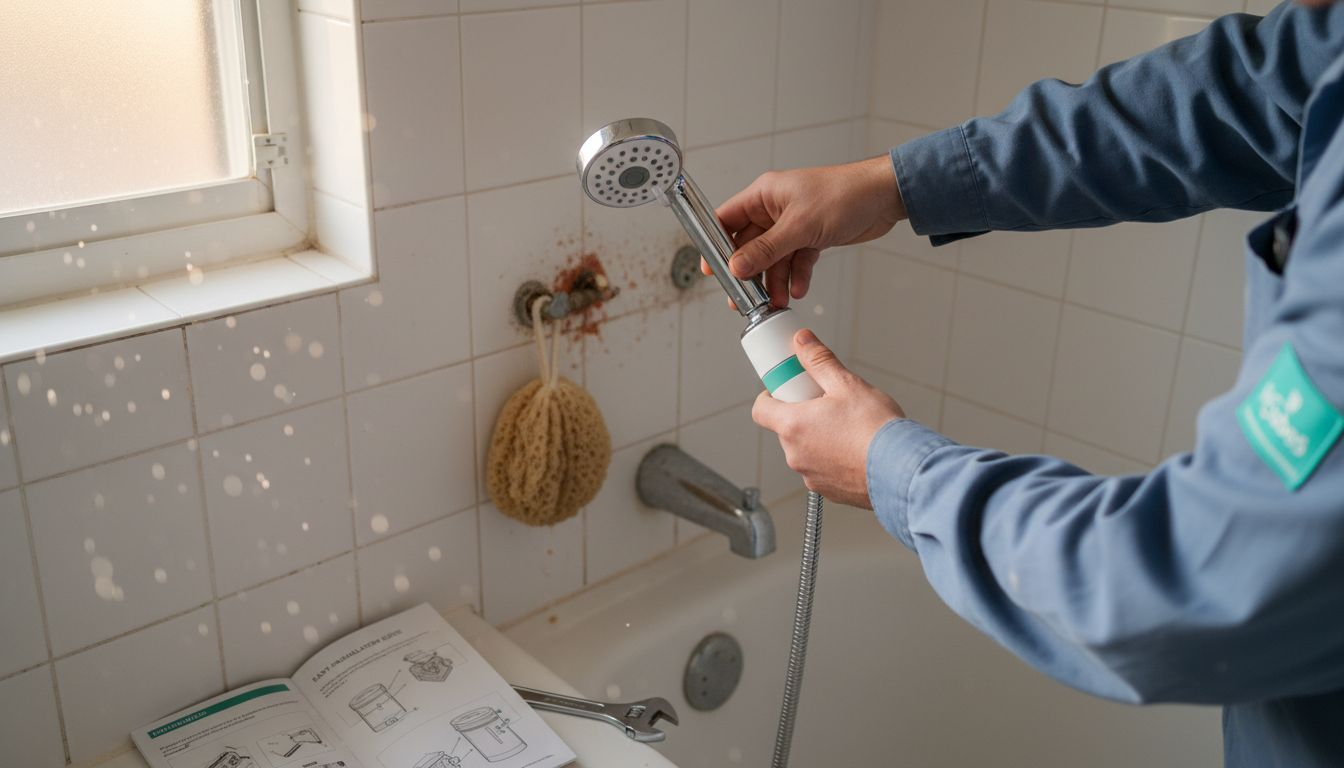
Whole-house water softeners use ion exchange to remove calcium and magnesium, replacing them with sodium or potassium ions. This approach eliminates scale buildup in pipes and appliances while improving soap lathering. However, softeners don’t remove chlorine, requiring additional carbon filtration for comprehensive treatment. Installation involves significant plumbing modifications, ongoing salt additions, and periodic resin bed regeneration. These systems suit homeowners with severe hard water affecting entire households.
Statistic: Vitamin C and multi-stage filters achieve 99% chlorine removal rates, matching whole-house systems’ effectiveness at a fraction of the cost and complexity.
Comparing shower filters: pros, cons, and use cases
Each filtration approach offers distinct advantages and limitations based on your priorities. Vitamin C filters provide excellent chlorine neutralization but offer limited mineral reduction. They work in all temperatures, install in seconds, and suit renters perfectly. The main drawback is frequent replacement, every 2 to 3 months for typical households. Cost remains low since replacement cartridges run $15 to $25.
Multi-stage systems deliver the most comprehensive filtration, tackling chlorine, minerals, heavy metals, and bacteria simultaneously. These suit homeowners with complex water quality issues or severe hard water. Installation requires 15 to 30 minutes for inline configurations, more if replacing showerheads. Replacement cartridges cost $40 to $80 but last 4 to 6 months. Water pressure may drop slightly due to dense filtration media, though quality units minimize this effect.
Whole-house softeners eliminate minerals completely, protecting pipes, appliances, and fixtures throughout your home. Soft water creates luxurious lather and leaves skin feeling smooth. However, these systems require professional installation taking several hours, cost $1,000 to $3,000 upfront, and need ongoing maintenance including salt additions and system regeneration. They don’t remove chlorine, requiring supplemental filtration. Only homeowners planning long-term residence should consider this investment.
Showerhead filters offer the best balance for most users. Tool-free installation takes under 5 minutes, and units remove easily for apartment moves. Initial costs range from $25 to $80 depending on filtration stages. The Vitaclean Vitamin C shower head combines effective chlorine removal with adjustable spray patterns, addressing both water quality and shower experience.
Pro Tip: Renters should prioritize showerhead filters with Vitamin C technology for maximum chlorine removal without permanent installation or landlord approval.
| Filter Type | Effectiveness | Installation Time | Upfront Cost | Replacement Cost | Best For |
|---|---|---|---|---|---|
| Vitamin C Showerhead | Excellent chlorine removal, minimal mineral reduction | Under 5 minutes | $25 to $50 | $15 to $25 every 2 to 3 months | Renters, chlorine sensitivity, budget conscious |
| Multi-Stage Inline | Excellent chlorine and moderate mineral reduction | 15 to 30 minutes | $50 to $120 | $40 to $80 every 4 to 6 months | Homeowners with moderate hard water |
| Multi-Stage Showerhead | Excellent chlorine and moderate mineral reduction | Under 5 minutes | $60 to $100 | $40 to $80 every 4 to 6 months | Homeowners wanting simple installation |
| Whole-House Softener | Complete mineral removal, requires chlorine filter | Several hours (professional) | $1,000 to $3,000 | $50 to $150 annually for salt | Homeowners with severe hard water affecting entire home |
Matching your situation to the right solution ensures satisfaction. Budget-conscious users do well with basic Vitamin C filters, replacing cartridges regularly for consistent chlorine protection. Those with severe hard water affecting hair texture and skin condition benefit from multi-stage systems despite higher costs. Renters need portable solutions that install without tools and remove completely when moving. The advantages of Vitaclean systems include addressing these varied needs through multiple product lines.
Maintenance and replacement guidelines
Proper maintenance extends filter life and ensures consistent performance. Most shower filters require replacement every 3 to 6 months depending on water quality, household size, and daily usage. Track installation dates on your calendar or use smartphone reminders to maintain optimal filtration. Waiting too long between changes allows contaminants to pass through exhausted media, negating your investment.
Replacement cartridge costs range from $18 to $80 based on filtration complexity and brand. Single-stage Vitamin C cartridges cost less but require more frequent replacement. Multi-stage cartridges cost more upfront but last longer, often balancing out over time. Calculate total annual costs by multiplying cartridge price by replacement frequency rather than focusing solely on initial expenses.
Several signs indicate your filter needs replacement before the recommended interval:
- Noticeably reduced water pressure or flow rate
- Return of chlorine odor during showering
- Discoloration of the filter housing or visible debris
- Skin dryness or scalp irritation returning after improvement
- Decreased soap lather compared to when filter was new
Ignoring these warning signs allows contaminated water through, exposing your skin and hair to the same problems you sought to eliminate. Filters don’t suddenly stop working. They gradually lose effectiveness as media becomes saturated, creating a slow decline in water quality that’s easy to miss.
Subscription services simplify maintenance by automatically shipping replacement cartridges on your schedule. Vitaclean’s filter replacement subscription ensures you never run out, arriving before your current cartridge expires. This approach removes the mental burden of tracking replacement dates and guarantees consistent water quality. Subscriptions typically offer 10% to 15% discounts compared to individual cartridge purchases.
Storing spare cartridges extends your preparation. Keep one or two replacements on hand so you can swap immediately when needed rather than showering with exhausted filters while waiting for deliveries. Proper storage in cool, dry locations preserves cartridge integrity. Avoid exposing unused filters to moisture or extreme temperatures that degrade media before installation.
Summary comparison table and situational recommendations
Selecting your ideal solution requires balancing multiple factors against your specific circumstances. This comprehensive comparison distills the key decision points:
| Solution | Key Features | Installation Difficulty | Filter Lifespan | Best Use Case | Monthly Cost |
|---|---|---|---|---|---|
| Basic Vitamin C Filter | 99% chlorine removal, portable, lightweight | Very easy (under 5 min, no tools) | 2 to 3 months | Renters, chlorine-focused treatment, tight budgets | $8 to $12 |
| 5-Stage Inline Filter | Chlorine + mineral reduction, preserves existing showerhead | Moderate (15 to 20 min, basic tools) | 4 to 6 months | Homeowners keeping favorite showerhead, moderate hard water | $8 to $15 |
| 10-Stage Showerhead | Comprehensive filtration, integrated spray head, multiple settings | Very easy (under 5 min, no tools) | 4 to 6 months | Homeowners wanting all-in-one solution, moderate to severe hard water | $10 to $16 |
| 20-Stage Premium System | Maximum contaminant removal, adjustable flow, pressure compensated | Easy to moderate (10 min, no tools) | 6 months | Users with severe water quality issues, maximum performance priority | $13 to $18 |
| Whole-House Softener + Filter | Complete mineral elimination, protects all plumbing, requires chlorine filter | Professional installation required | Resin: 10+ years, Salt: ongoing | Homeowners with severe hard water affecting entire home, long-term residence | $15 to $30 |
For renters and apartment dwellers, basic Vitamin C showerhead filters offer the best combination of effectiveness, affordability, and portability. You’ll achieve excellent chlorine removal without landlord approval or permanent modifications. Vitaclean’s filter shots provide easy replacement when cartridges expire.
Homeowners with moderate hard water issues benefit most from 5 to 10 stage systems that address both chlorine and mineral content. These provide noticeable improvements in skin hydration and hair texture without whole-house system complexity. Choose inline configurations to keep your existing showerhead or integrated units for simplified installation.
Severe hard water situations affecting hair texture dramatically or causing persistent skin conditions may justify whole-house softeners. Calculate the break-even point by comparing system costs to years of shower filter replacements. If you plan to stay in your home for 5+ years and hard water affects multiple family members, the investment makes sense.
Budget-conscious users should start with basic Vitamin C filters to experience chlorine removal benefits at minimal cost. You can always upgrade to multi-stage systems later if you need additional mineral reduction. Starting simple helps you understand your water quality needs before committing to expensive solutions.
Consider your personal sensitivity levels. If you notice immediate skin irritation after chlorinated pool swimming, prioritize chlorine removal through Vitamin C technology. If your hair feels sticky and won’t hold styles despite quality products, mineral reduction becomes the priority. Match filtration technology to your dominant symptoms for best results.
Shop effective shower filtration solutions at Vitaclean
Now that you understand the selection criteria and filtration technologies, you can confidently improve your shower water quality. Vitaclean specializes in accessible, effective solutions for chlorine and mineral concerns. Our Vitamin C shower filter shots provide pharmaceutical-grade ascorbic acid for maximum chlorine neutralization in compact, easy-to-replace cartridges that fit most shower systems.
For mineral reduction needs, explore our ceramic filter collection featuring natural ceramic beads that crystallize dissolved minerals while maintaining water pressure. These work excellently in combination with Vitamin C stages for comprehensive treatment. Our antibacterial filter options add another protection layer for households concerned about microorganism exposure.
Every Vitaclean product installs in minutes without specialized tools or plumbing knowledge. Our universal compatibility ensures seamless integration with standard U.S. shower systems, whether you rent or own. Start transforming your daily shower into a health-promoting ritual with water that supports rather than damages your skin and hair.
FAQ
What are the signs that my shower water is hard?
You’ll notice soap and shampoo don’t lather well, leaving a filmy residue on your skin. White or yellowish scale buildup appears on showerheads, faucets, and glass doors. Your skin feels tight and itchy after showering despite moisturizing, and your hair becomes dull, tangled, and difficult to manage.
Can I install a shower filter myself if I rent?
Absolutely. Showerhead filters screw on just like regular shower heads, taking under 5 minutes with no tools required. They remove completely when you move, leaving no permanent modifications. Most landlords don’t require approval since installation is temporary and reversible, though checking your lease is always smart.
How often should I replace my shower filter cartridge?
Replacement intervals depend on your filter type and water quality. Vitamin C filters need changing every 2 to 3 months, while multi-stage systems last 4 to 6 months. Watch for reduced water pressure, returning chlorine smell, or skin and hair problems reappearing as signs your cartridge is exhausted. Setting calendar reminders helps maintain consistent filtration.
Will a shower filter reduce water pressure?
Quality filters minimize pressure loss through optimized media density and flow design. You might notice a slight reduction, typically 5% to 15%, but well-engineered systems maintain satisfying pressure while filtering effectively. Poor-quality filters with densely packed or poorly designed media can cause noticeable pressure drops. Check manufacturer specifications before purchasing.
Does a whole-house softener remove chlorine?
No. Water softeners use ion exchange to remove calcium and magnesium minerals but don’t eliminate chlorine. Municipal treatment plants add chlorine for disinfection, and it passes through softener systems unchanged. You’ll need supplemental carbon filtration, either whole-house or at the shower point, to address chlorine alongside your softener’s mineral removal.