
How to Prepare Filtered Bath Water for Healthier Skin
TL;DR:
- Filtered bath water removes chlorine, chloramines, and some heavy metals to improve skin health. Choosing the right filter depends on testing water and matching media to specific contaminants; regular maintenance ensures optimal performance. Proper installation, cleaning, and timely cartridge replacement prevent mold growth and maintain effective filtration.
Filtered bath water preparation is the process of removing chlorine, heavy metals, and other contaminants from tap water before you bathe. Unfiltered tap water carries chlorine, chloramines, and trace heavy metals that strip skin of its natural oils, trigger dryness, and cause irritation. The right filtration system, whether activated carbon, KDF media, or Vitamin C, changes that completely. Filtered water transforms your skincare routine in ways most people never expect from a simple hardware upgrade. This guide walks you through how to filter bath water, choose the right system, and keep it performing at its best.
How to prepare filtered bath water: filter types and how to choose
The first decision in filtered bath water preparation is picking the right filter for your water. Not all filters target the same contaminants, and using the wrong one means you are still bathing in the problem you were trying to solve.
The main filter types
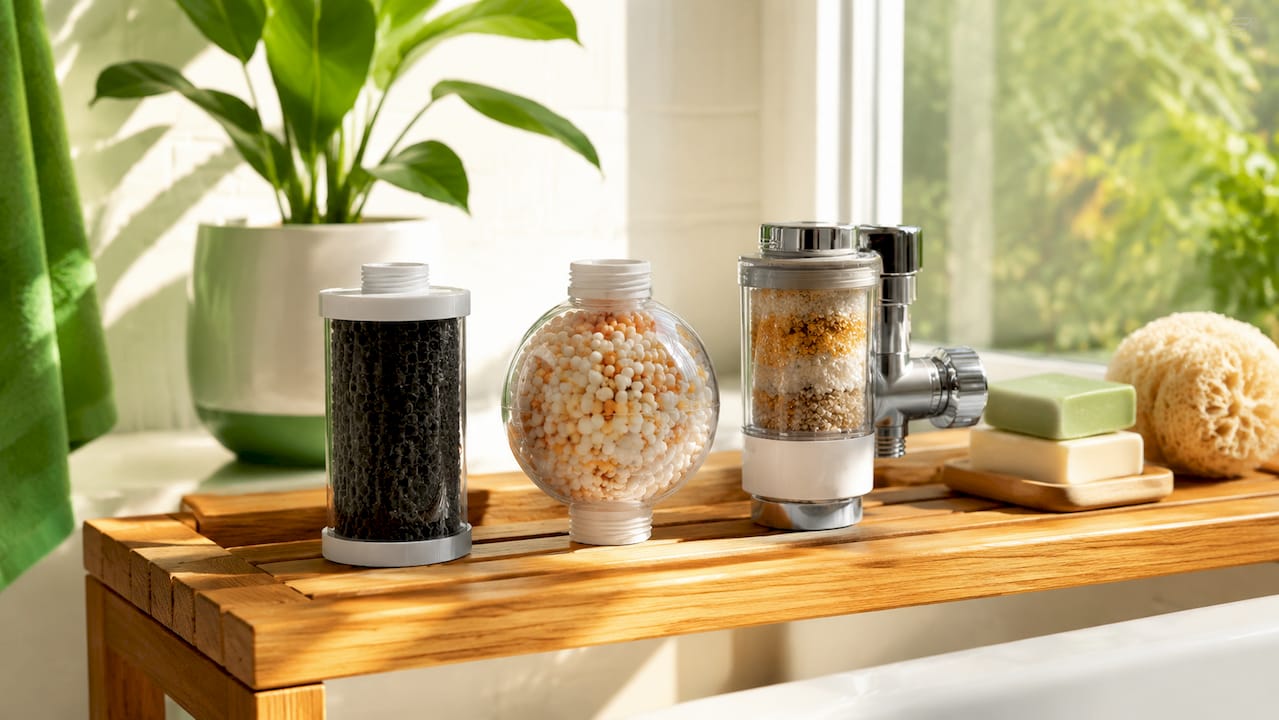
The three most common filtration media are activated carbon, KDF, and Vitamin C. Activated carbon reduces chlorine and related chemicals effectively. KDF media addresses heavy metals and some bacteria. Vitamin C media neutralizes both chlorine and chloramines on contact, making it a strong choice for municipal water supplies that use chloramines as a secondary disinfectant.
Bath filters come in three physical formats. Faucet-mounted filters attach directly to your tub spout. Bath ball filters drop into the tub and treat water as it fills. Multi-stage filters combine two or more media types, such as activated carbon plus KDF, for broader contaminant coverage. Multi-stage units cost more but handle complex water profiles better than single-media options.
How to choose based on your water profile
Test your water before buying a filter. Home water test kits check for chlorine, chloramines, heavy metals, and hard water minerals. The results tell you which filtration media to prioritize. A home with high chlorine but no metal issues needs activated carbon. A home with both chlorine and lead needs a multi-stage or KDF unit.
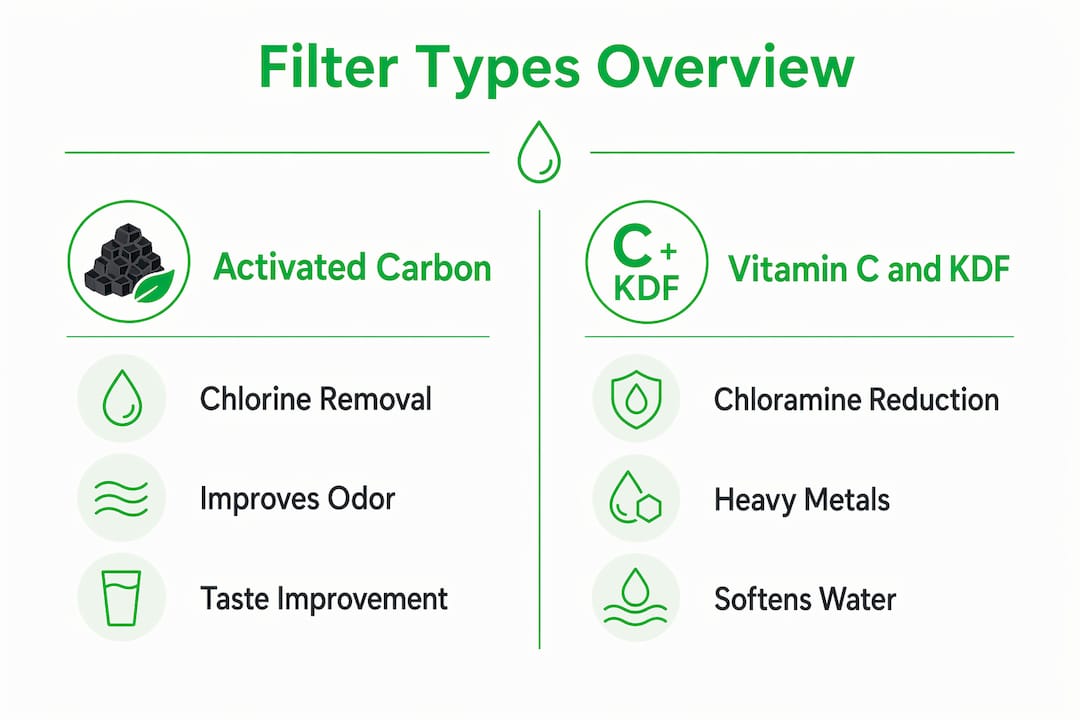
Hard water is a separate challenge. Not all bath filters soften hard water. Hard water requires a dedicated water softener or a whole-house system, not just a bath filter. Knowing this before you buy saves money and frustration.
| Filter type | Best for | Limitation |
|---|---|---|
| Activated carbon | Chlorine, taste, odor | Does not address heavy metals |
| KDF media | Heavy metals, bacteria | Less effective on chloramines |
| Vitamin C media | Chlorine and chloramines | Does not address heavy metals |
| Multi-stage (carbon + KDF) | Broad contaminant coverage | Higher cost, slower flow |
| Bath ball filter | Light chlorine reduction | Limited capacity, frequent replacement |
One more factor matters before you buy: NSF-certified filters carry independent verification that the product actually reduces the contaminants it claims to target. Certification is the clearest signal of reliable performance. Skip uncertified products regardless of price.
Also check flow rate compatibility. Bath filters not rated for high flow can take over 20 minutes to fill a standard tub. That kills the experience before it starts. Match the filter’s rated flow to your faucet’s output.
Step-by-step: installing and filling your filtered bath
Once you have the right filter, setup takes less than 15 minutes. The steps below apply to faucet-mounted and multi-stage bath filters, which are the most common formats for home use.
-
Check your faucet size. Measure the spout thread diameter before attaching anything. Most bath spouts use standard threading, but older fixtures may need an adapter. Adapters are inexpensive and widely available at hardware stores.
-
Attach the filter securely. Hand-tighten the filter onto the spout, then give it a quarter turn with a wrench if the unit recommends it. Check for leaks by running a short burst of water before filling the tub.
-
Flush the filter for 30–60 seconds. Run hot water before first use to clear loose carbon dust and activate the filtration media. Skip this step and you may see gray-tinted water in your first bath. This is harmless but avoidable.
-
Fill the tub at the correct temperature. Start with hot water to reach your target temperature, then adjust to warm. Filling at a consistent rate gives the filter media time to treat water evenly rather than rushing through at maximum pressure.
-
Check the water before stepping in. If you have a test strip, dip it in. Chlorine should read near zero. If it reads high, your filter may need reseating or the cartridge may be exhausted.
Pro Tip: If you use a handheld showerhead to fill your tub, a filtered handheld unit works just as well as a faucet-mounted filter. The skin and hair benefits are identical, and handheld units are easier to install in most bathrooms.
Bath filters reduce contaminants effectively, but they are not the same as whole-house or drinking water purification systems. Bath filters reduce chlorine and common contaminants but do not purify water to drinking-water standards. Set realistic expectations and you will be satisfied with the results.
How to maintain your bath water filter
A filter you do not maintain stops working. The cartridge degrades, the housing clogs, and mold finds a home in the damp interior. A simple monthly routine prevents all three.
- Replace cartridges on schedule. Most cartridges last 6–12 months under normal use. High-use households or homes with hard water may need replacement every 2–3 months. Mark the installation date on the housing with a marker so you never guess.
- Clean the intake mesh monthly. Cleaning the intake mesh monthly restores water flow and keeps the filter performing at rated capacity. Use a soft brush and rinse under running water.
- Disassemble after each use. Leaving filters assembled when not in use creates a moist environment where mold and bacteria thrive. Take the unit apart, shake out excess water, and let it air dry between baths.
- Watch for warning signs. Reduced flow, unpleasant odors, or visible buildup inside the housing all signal that the filter needs cleaning or replacement. Do not wait for the scheduled date if these signs appear.
Pro Tip: Set a recurring phone reminder every 30 days for mesh cleaning and every 6 months for cartridge replacement. Consistent scheduling is the single most effective water filter maintenance habit you can build.
Common mistakes that ruin filtered bath water quality
Most filtered bath water problems trace back to a short list of avoidable errors. Knowing them in advance saves you from a bad experience and a wasted purchase.
- Skipping the initial flush. New filters contain loose carbon dust from manufacturing. Running water for 30–60 seconds before first use clears it out. Skipping this step puts that dust directly into your bath.
- Leaving the filter assembled between uses. Moisture trapped inside a sealed filter housing is the fastest route to mold. Disassembly and air drying are non-negotiable hygiene steps, not optional extras.
- Choosing a filter without testing your water first. Buying a chlorine filter when your main issue is heavy metals means you are still bathing in the problem. A $10 home test kit prevents a $50 mistake.
- Ignoring flow rate specs. A filter with a low flow rating turns a relaxing bath into a 25-minute wait. Always check the rated flow before purchasing.
- Treating mold as a cleaning problem when it is a replacement problem. Mild dish soap, hydrogen peroxide, or boiling water can clean surface mold from housing components. But if mold has penetrated the cartridge itself, replace it. Cleaning a contaminated cartridge does not restore safe filtration.
Retest your water every 6–12 months, especially after municipal water treatment changes in your area. Your water profile can shift, and a filter that worked last year may no longer match your current contaminant load.
Also check home water filtration examples for real-world setups that address different water profiles. Seeing how others have solved similar problems often clarifies the right path faster than reading specs alone.
Key takeaways
Filtered bath water preparation works best when you match the filter media to your specific water contaminants, follow a consistent installation and maintenance routine, and replace cartridges before performance drops.
| Point | Details |
|---|---|
| Test water before buying | Use a home test kit to identify chlorine, metals, or hard water before selecting a filter. |
| Match media to contaminants | Use activated carbon for chlorine, KDF for metals, and Vitamin C for chloramines. |
| Flush before first use | Run hot water for 30–60 seconds to clear carbon dust and activate filtration media. |
| Disassemble after every use | Air drying filter components prevents mold and bacterial growth between baths. |
| Replace cartridges on schedule | Most cartridges last 6–12 months; hard water or heavy use shortens that to 2–3 months. |
What I have learned from filtered bathing that most guides skip
Filtered bathing changed my skin more noticeably than any moisturizer I had tried before. The dryness I assumed was a product problem turned out to be a water problem. Once I switched to a Vitamin C filter, the tight, itchy feeling after a bath disappeared within two weeks.
The part most guides gloss over is water testing. People skip it because it feels like extra work, but it is the only step that tells you what you are actually dealing with. I have seen people spend money on activated carbon filters in homes with chloramine-treated water. Activated carbon does not neutralize chloramines well. The filter looked like it was working, but the water was still irritating their skin.
NSF certification is not marketing language. It is the one objective signal that a filter does what the label claims. I would not buy a bath filter without it, regardless of how good the reviews look.
The maintenance piece is where most people fall short. Disassembling the filter after every bath feels tedious at first. After a week it takes 30 seconds and becomes automatic. The alternative is scrubbing mold out of a filter housing or replacing a cartridge early because bacteria colonized it. The 30-second habit is the better trade.
Filtered bathing is not a luxury reserved for people with serious skin conditions. Anyone who bathes in chlorinated municipal water is bathing in a mild irritant every day. The fix is straightforward, affordable, and genuinely noticeable.
— Sara
Upgrade your bath with Vitacleanhq filtration
Vitacleanhq builds filtration products specifically for people who want cleaner water without complicated installation. The Vitamin C shower filter shots neutralize chlorine and chloramines on contact, making them one of the most effective single-step solutions for municipal water. The ceramic filter line adds another layer of impurity reduction for homes with more complex water profiles. For tub filling, the handheld shower filter attaches in minutes and delivers filtered water directly into the bath. Vitacleanhq also offers a filter refill plan so you never miss a cartridge replacement. Explore the full range at Vitacleanhq and find the setup that fits your bathroom and your water.
FAQ
What does filtered bath water actually remove?
Bath filters reduce chlorine, chloramines, and some heavy metals depending on the media type used. They do not purify water to drinking-water standards, but they significantly lower the contaminant load your skin is exposed to during bathing.
How often should I replace my bath filter cartridge?
Most cartridges need replacement every 6–12 months under normal use. Homes with hard water or high bathing frequency may need replacement every 2–3 months.
Do I need to test my water before buying a bath filter?
Yes. A home water test kit identifies whether your main issue is chlorine, chloramines, heavy metals, or hard water minerals. That result determines which filtration media will actually solve your problem.
Can a bath filter fix hard water?
No. Hard water requires a dedicated water softener or a whole-house treatment system. Bath filters reduce chemical contaminants but do not remove the calcium and magnesium that cause hard water issues.
Is a Vitamin C filter better than activated carbon for bath water?
Vitamin C media neutralizes both chlorine and chloramines, which gives it an advantage in municipalities that use chloramines. Activated carbon handles chlorine well but is less effective against chloramines. Test your water first to know which disinfectant your supplier uses.