
How filtration helps eczema: improve skin hydration
If you’ve been managing eczema for years, you might be surprised to learn that your tap water could be making symptoms worse. Chlorine, hard minerals, and other contaminants in unfiltered water can strip your skin’s protective barrier, triggering the dryness and irritation you work so hard to control. Water filtration offers a practical way to remove these irritants, supporting better hydration and comfort for sensitive skin. This article explains how different filtration methods benefit eczema-prone skin and provides actionable steps to integrate them into your daily care routine.
Table of Contents
- How Water Quality Impacts Eczema And Sensitive Skin
- Filtration Methods That Protect Eczema-Prone Skin
- Evidence On Filtration Benefits For Eczema Relief
- Practical Tips For Using Filtration To Improve Eczema Care
- Explore Vitaclean Filtration Solutions For Eczema-Prone Skin
- How Filtration Helps Eczema - Frequently Asked Questions
Key takeaways
| Point | Details |
|---|---|
| Filtration removes skin irritants | Water filters eliminate chlorine, chloramine, and hard minerals that damage your skin’s protective barrier and worsen eczema symptoms. |
| Whole-home systems offer better protection | Comprehensive filtration treats water used for bathing and laundry, reducing irritant exposure more effectively than shower-only filters. |
| Softened water reduces eczema risk | Studies show water softeners can lower eczema prevalence in vulnerable populations, though they support rather than cure existing conditions. |
| Combine filtration with skincare habits | Pairing filtered water with proper moisturizing and gentle cleansing maximizes hydration and symptom relief for sensitive skin. |
How water quality impacts eczema and sensitive skin
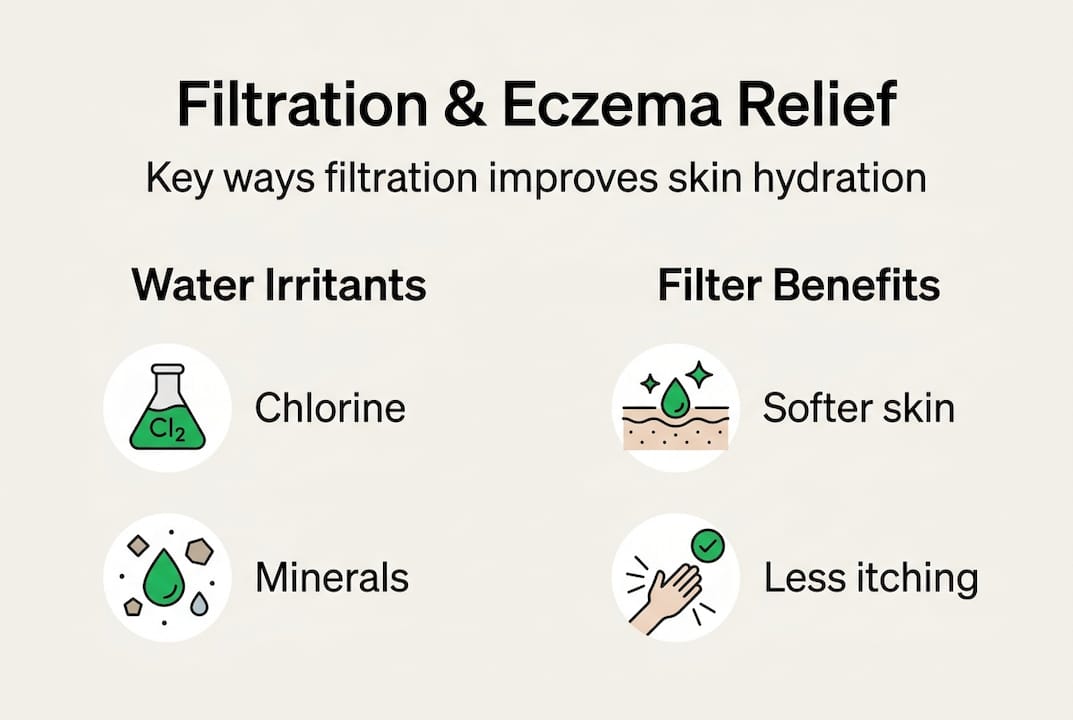
Your daily shower might be undermining your eczema management without you realizing it. Chlorine disrupts skin barrier leading to dryness and itching, while hard water leaves soap scum residue that compounds the problem. These contaminants strip away the natural oils that keep your skin hydrated and protected.
Chlorine and chloramine, added to municipal water supplies for disinfection, oxidize the lipids in your skin’s outer layer. This damage compromises the barrier that normally prevents moisture loss and blocks irritants from penetrating deeper layers. For people with eczema, whose skin barriers are already weakened, this chemical exposure intensifies the cycle of dryness and inflammation.
Hard water creates its own set of challenges. Calcium and magnesium minerals react with soap to form an insoluble film that clings to your skin. This residue not only feels uncomfortable but also prevents moisturizers from absorbing properly. The buildup traps irritants against your skin and disrupts the pH balance needed for healthy barrier function.
Several specific contaminants in tap water pose particular risks for eczema-prone skin:
- Chlorine oxidizes skin lipids and damages protective barrier proteins
- Chloramine persists longer than chlorine and causes similar irritation
- Heavy metals like copper and lead can trigger inflammatory responses
- Hard minerals create soap scum that clogs pores and prevents hydration
The relationship between water quality and skin health goes beyond simple irritation. Research shows that shower water chlorine risks skin hair lung damage through both direct contact and inhalation during hot showers. The steam carries chlorine compounds into your respiratory system while the water strips your skin of protective oils.
“Hard water’s mineral content significantly impairs skin barrier function, leading to increased transepidermal water loss and heightened susceptibility to eczema flares in genetically predisposed individuals.”
Understanding these mechanisms explains why some people notice their eczema improves when they travel to areas with different water quality. The variation in chlorine levels and mineral content directly affects how your skin responds. This knowledge provides the foundation for choosing filtration solutions that address the specific irritants affecting your skin.
Filtration methods that protect eczema-prone skin
Different filtration technologies target specific water contaminants, and understanding their mechanisms helps you choose the right system for eczema care. Carbon filtration removes chlorine/chloramine while ion-exchange softening swaps calcium and magnesium for sodium or potassium, and specialized filters like KDF and vitamin C work particularly well for shower applications.
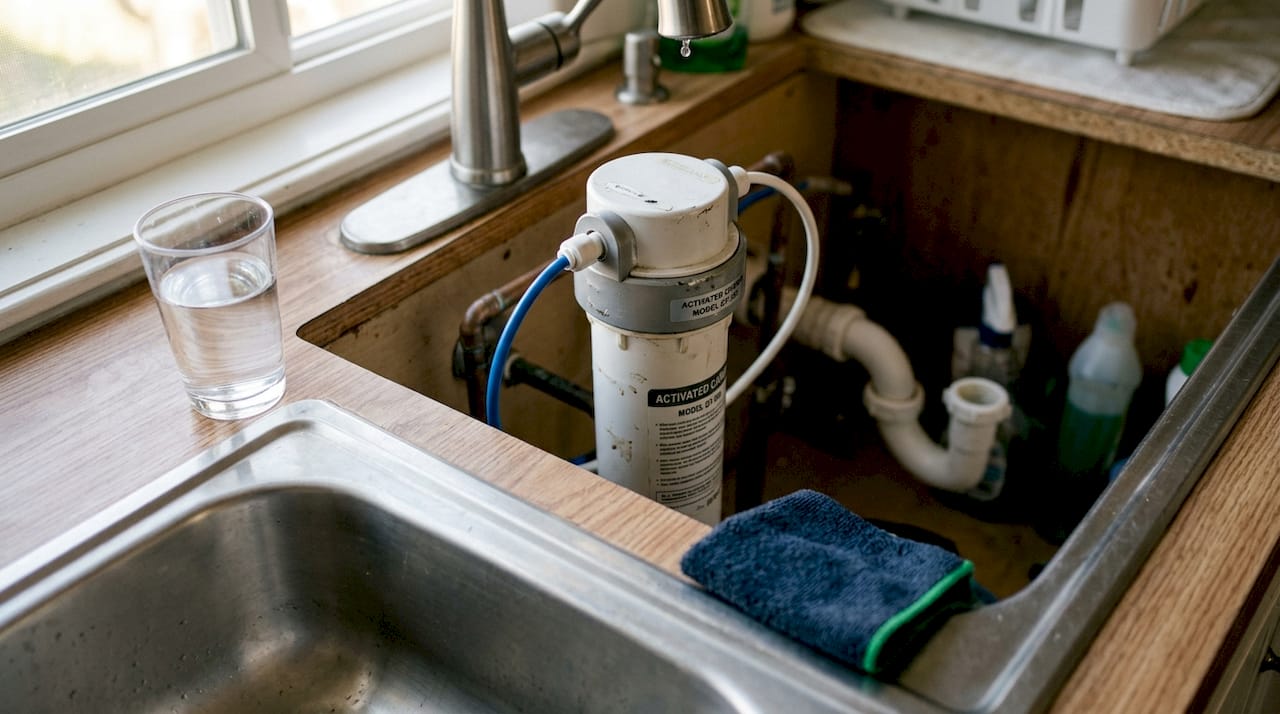
Carbon filters use activated charcoal to trap chlorine, chloramine, and organic compounds through a process called adsorption. Water passes through porous carbon media, and contaminants stick to the surface while clean water flows through. These filters excel at removing the chemical disinfectants that damage your skin barrier, though they don’t address hard minerals.
Water softeners take a different approach by replacing problematic minerals with less irritating alternatives. Ion-exchange resin beads attract calcium and magnesium ions, releasing sodium or potassium in their place. This process eliminates the soap scum problem and allows cleansers to rinse cleanly from your skin. What is water softening improve skin hair health explains how this technology specifically benefits people with sensitive skin conditions.
Vitamin C and KDF filters offer targeted solutions for shower water. Vitamin C (ascorbic acid) neutralizes chlorine through a chemical reaction that converts it to harmless chloride. KDF media uses a copper-zinc alloy to remove chlorine, heavy metals, and bacteria through oxidation-reduction reactions. Both technologies work quickly enough to treat water flowing through a showerhead, making them practical for point-of-use applications.
Whole-home filtration systems provide the most comprehensive protection by treating water before it reaches any fixture. These systems combine multiple technologies to address various contaminants simultaneously. You benefit not only during showers but also when washing clothes, as filtered laundry water means your clothing and bedding carry fewer irritants against your skin throughout the day.
| Filter Type | Target Contaminants | Eczema Skin Benefit | Installation Scope | | — | — | — | | Carbon Filter | Chlorine, chloramine, organic compounds | Prevents barrier damage and oxidative stress | Point-of-use or whole-home | | Water Softener | Calcium, magnesium, hard minerals | Eliminates soap scum, improves moisturizer absorption | Whole-home only | | Vitamin C Filter | Chlorine, chloramine | Neutralizes irritants in shower water | Point-of-use (shower) | | KDF Filter | Chlorine, heavy metals, bacteria | Multi-contaminant removal for bathing | Point-of-use or whole-home |
The chlorine sensitivity shower filter guide details how different filter media perform under various water conditions. Flow rate, water temperature, and contaminant concentration all affect filtration efficiency, so matching the technology to your specific water quality matters.
Pro Tip: Whole-home systems deliver better results for eczema management because they filter water used in laundry, ensuring your clothes and linens don’t reintroduce irritants to freshly cleansed skin.
Point-of-use filters attached to showerheads offer convenience and lower initial cost. However, their smaller size means they require more frequent replacement and may not handle high contaminant loads as effectively. For comprehensive eczema care, combining a whole-home system with specialized shower filtration provides layered protection against multiple irritants.
Evidence on filtration benefits for eczema relief
Research demonstrates measurable connections between water quality interventions and eczema outcomes, though the evidence shows stronger support for prevention than treatment. Studies show softened water reduces eczema risk with an 80% reduction in skin problems among high-risk infants using water softeners, while UK Biobank data links hard water to higher eczema prevalence in adults and children.
The SOFTER trial, a randomized controlled study in the United Kingdom, tracked infants with genetic predisposition to eczema. Families using ion-exchange water softeners saw dramatic reductions in skin problems during the first months of life. This finding suggests that early intervention with water quality improvements may help prevent eczema development in vulnerable populations.
Large-scale epidemiological studies reinforce these findings. Hard water increases eczema prevalence in both adults and children by disrupting skin hydration, according to UK Biobank cohort data analyzing over 300,000 participants. Areas with calcium carbonate concentrations above 200 mg/L showed significantly higher rates of diagnosed eczema compared to regions with softer water.
| Study | Population | Intervention | Key Finding | Confidence Level | | — | — | — | — | | SOFTER Trial | High-risk infants | Ion-exchange softener | 80% reduction in skin problems | High | | UK Biobank | 300,000+ adults | Observational (hard water exposure) | Increased eczema prevalence in hard water areas | High | | Meta-analysis 2024 | Multiple cohorts | Various filtration methods | Symptom improvement but not cure | Moderate |
The evidence shows an important distinction between risk reduction and symptom reversal. Water filtration and softening demonstrate clear benefits for preventing eczema in at-risk individuals, but their effectiveness for treating established cases remains more modest. People with existing eczema report improved comfort and reduced irritation rather than complete resolution of symptoms.
“While filtration improves skin comfort by reducing tightness and irritation, it functions as a supportive measure within comprehensive eczema management rather than a standalone cure.”
This nuance matters for setting realistic expectations. Why shower water affects eczema protect skin explores how filtered water creates better conditions for skin healing by removing barriers to recovery, even when it doesn’t directly treat the underlying immune dysfunction.
The practical benefits extend beyond measurable clinical outcomes. Survey data shows that people with eczema consistently report subjective improvements after installing filtration systems. Reduced itching, less skin tightness after bathing, and decreased need for topical medications represent meaningful quality of life enhancements, even if objective severity scores show modest changes.
Pro Tip: View filtration as one component of a comprehensive eczema skincare routine rather than expecting it to replace medical treatments, and you’ll appreciate the genuine comfort improvements it provides.
Researchers continue investigating optimal filtration strategies for different eczema phenotypes. Some evidence suggests that people with primarily barrier-dysfunction eczema benefit more from hard water softening, while those with heightened chemical sensitivity respond better to chlorine removal. Benefits for your hair and skin when using shower filters discusses how personalized approaches maximize filtration effectiveness.
Practical tips for using filtration to improve eczema care
Selecting and maintaining the right filtration system requires attention to your specific water quality and skin needs. Filters improve comfort by reducing tightness when combined with proper skincare habits like the 3-minute moisturize rule, syndet cleansers, and short lukewarm showers, while whole-home systems avoid the quick clogging issues that plague small shower filters.
Follow these steps to choose and maintain filtration for eczema-prone skin:
- Test your water quality to identify specific contaminants (chlorine levels, hardness, heavy metals)
- Select filtration technology matched to your water profile (carbon for chlorine, softener for hardness, or combined systems)
- Size the system appropriately for your household water usage and flow rate requirements
- Install whole-home filtration at the main water line or point-of-use filters at shower and bath fixtures
- Set calendar reminders for filter replacement based on manufacturer specifications and your water usage
- Monitor skin response and adjust filtration maintenance schedule if you notice returning symptoms
Water testing kits from hardware stores or professional testing services reveal exactly what your filtration needs to address. Chlorine levels vary by municipality and season, while hardness depends on your local geology. Knowing your baseline helps you choose appropriate filter media and replacement intervals.
Maintenance schedules matter more than many people realize. Carbon filters saturate with contaminants over time, and their effectiveness drops sharply once capacity is reached. Softener resin requires periodic regeneration with salt. Why shower water affects eczema protect skin emphasizes that neglected filters may release trapped contaminants back into your water, potentially worsening skin irritation.
Complementary skincare practices amplify filtration benefits:
- Keep showers under 10 minutes and use lukewarm rather than hot water to preserve skin oils
- Choose syndet (synthetic detergent) cleansers with neutral pH instead of traditional soap
- Apply moisturizer within 3 minutes of bathing to trap water in your skin
- Use fragrance-free products to minimize additional irritant exposure
- Pat skin dry gently rather than rubbing with towels
- Wash bedding and clothing in filtered water when possible to reduce fabric-borne irritants
The chlorine sensitivity shower filters healthier skin hair resource explains how shower habits interact with water quality. Even with excellent filtration, excessively hot or long showers still damage your skin barrier. The combination of filtered water and skin-friendly bathing practices produces better results than either approach alone.
Pro Tip: Apply a thick moisturizer immediately after patting your skin dry from a filtered-water shower, and you’ll lock in hydration more effectively than any single intervention can achieve on its own.
Seasonal adjustments help maintain consistent results. Chlorine levels often increase during summer months when municipalities boost disinfection to combat bacterial growth in warmer water. You might need more frequent filter changes during these periods. Similarly, winter’s dry air compounds moisture loss, so intensifying your post-shower moisturizing routine complements your filtration system’s work.
Document your skin’s response over the first few months after installing filtration. Take photos, note itching frequency, and track how much topical medication you use. This record helps you assess whether your chosen system delivers meaningful benefits and guides decisions about upgrades or modifications to your approach.
Explore Vitaclean filtration solutions for eczema-prone skin
Vitaclean specializes in water filtration products designed to protect sensitive skin from the irritants that worsen eczema symptoms. Our replaceable vitamin C shower filter shots neutralize chlorine and chloramine through a simple chemical reaction, providing immediate relief from the harsh disinfectants in municipal water. Each shot delivers consistent filtration for weeks of daily showers.
For more comprehensive protection, our ceramic filter systems offer multi-stage filtration that removes sediment, bacteria, and chemical contaminants in a single compact unit. The ceramic media provides mechanical filtration while activated carbon layers trap chlorine and organic compounds that irritate your skin.
The wall mount starter kit brings whole-home style benefits to your bathroom by filtering water at the point of use most critical for eczema management. Installation takes minutes without plumbing modifications, making it perfect for renters or anyone seeking an accessible entry point to better water quality. These products complement your existing skincare routine by removing the environmental irritants that undermine even the best topical treatments.
How filtration helps eczema - frequently asked questions
What irritants in water worsen eczema?
Chlorine and chloramine damage your skin’s protective barrier by oxidizing lipids and proteins. Hard water minerals like calcium and magnesium create soap scum residue that prevents moisturizers from absorbing and traps irritants against your skin. Heavy metals and other contaminants can trigger inflammatory responses that intensify itching and dryness.
How do shower filters improve eczema symptoms?
Shower filters remove chlorine, chloramine, and other chemical irritants before water contacts your skin. This prevents the barrier damage that leads to moisture loss and inflammation. Filtered water also allows cleansers to rinse more thoroughly, reducing residue buildup that can trigger flares.
Is whole-home filtration better than shower-only filters for eczema?
Whole-home systems provide superior protection by filtering water used for bathing, laundry, and washing. This means your clothing and bedding won’t reintroduce irritants to your skin throughout the day. Shower-only filters offer convenience and lower cost but miss the comprehensive benefits of treating all water sources.
Can filtration cure eczema or just improve comfort?
Filtration supports eczema management by removing environmental irritants but doesn’t cure the underlying immune dysfunction. Research shows it reduces symptom severity and improves comfort, particularly skin tightness and itching after bathing. View it as one component of comprehensive care rather than a standalone treatment.
How often should filters be replaced to keep effectiveness?
Replacement frequency depends on your water quality and usage. Carbon filters typically need changing every 3 to 6 months, while vitamin C shower filters last 2 to 3 months with daily use. Softener resin requires regeneration based on water hardness and volume processed. Follow manufacturer guidelines and replace filters sooner if you notice returning symptoms.