
How filtration supports healthy hair in 2026
You might be surprised to learn that your shower water could be sabotaging your hair health every single day. Most people blame genetics, styling habits, or product choices for dull, brittle hair, but research shows hard water minerals cause dryness and color fading in ways that no conditioner can fix. The minerals, chlorine, and contaminants flowing through your showerhead build up on strands and scalp, creating a barrier that prevents moisture absorption and weakens hair structure. Understanding how water quality affects your hair and how filtration systems remove these damaging substances can transform your hair care routine and restore the vitality you thought was lost forever.
Table of Contents
- How Water Quality Affects Your Hair Health
- The Filtration Process: How It Improves Hair Vitality
- Comparing Filtration Options: Which Is Best For Your Hair?
- Incorporating Filtered Water Into Your Hair Care Routine Effectively
- Discover Vitaclean Filters For Healthier Hair
- What Is The Role Of Filtration In Hair Health?
Key takeaways
| Point | Details |
|---|---|
| Hard water damages hair | Minerals like calcium and magnesium build up on strands, causing dryness and breakage. |
| Filtration removes contaminants | Shower filters eliminate chlorine, minerals, and impurities that harm hair health. |
| Multiple filter types available | Vitamin C, ceramic, and antibacterial filters each target specific water quality issues. |
| Color protection benefits | Filtered water helps maintain vibrant hair color by neutralizing chlorine exposure. |
| Scalp health improves | Removing irritants supports a balanced microbiome, reducing itching and promoting growth. |
How water quality affects your hair health
Your tap water carries more than just H2O. Municipal water treatment adds chlorine to kill bacteria, but this chemical strips natural oils from your hair and scalp. Hard water, which affects over 85% of American households, contains elevated levels of calcium, magnesium, and iron that create a film on hair shafts. This mineral buildup prevents moisture from penetrating the hair cuticle, leaving strands dry and prone to snapping.
The damage compounds over time. Each shower deposits another layer of minerals that makes hair feel rough and look lackluster. Color-treated hair suffers even more because chlorine oxidizes dye molecules, causing premature fading that sends you back to the salon far sooner than necessary. Your scalp bears the brunt too, as these same minerals and chemicals trigger irritation, flaking, and inflammation that disrupts the healthy environment hair follicles need to produce strong strands.
Think of it like washing dishes in mineral-rich water. You notice the cloudy film on glasses no matter how much soap you use. Your hair experiences the same phenomenon. The minerals bond to the protein structure of each strand, creating a coating that repels the beneficial ingredients in your shampoos and conditioners. This explains why expensive hair products sometimes fail to deliver results, they cannot penetrate the mineral barrier.
Common complaints linked directly to poor water quality include:
- Persistent dryness despite regular conditioning treatments
- Increased tangling and difficulty combing through hair
- Dull appearance and loss of natural shine
- Scalp itchiness and visible flaking
- Rapid color fade within weeks of salon visits
- Brittle texture and increased breakage during styling
Pro Tip: Test your water hardness with an inexpensive kit from hardware stores to understand exactly what minerals you’re dealing with before choosing a filtration solution.
Understanding these water quality issues helps you identify the root cause of hair problems you may have attributed to other factors. The good news is that addressing water quality through filtered water benefits offers a straightforward path to healthier hair without changing your entire routine or buying new products.
The filtration process: How it improves hair vitality
Shower filtration systems work by passing water through specialized media that trap or neutralize harmful substances before they reach your hair and skin. Different filter types target specific contaminants, so understanding how each technology works helps you match the right solution to your water quality issues. The most effective systems combine multiple filtration stages to address the full spectrum of water impurities.
Vitamin C filters use ascorbic acid to chemically neutralize chlorine through a process called reduction. When chlorinated water passes through vitamin C media, the ascorbic acid converts chlorine into harmless chloride ions that wash away without damaging hair. This vitamin C shower filter technology proves especially valuable for color-treated hair because it eliminates the oxidizing agent responsible for fading. The result is softer water that allows hair cuticles to lie flat, creating smoother, shinier strands.
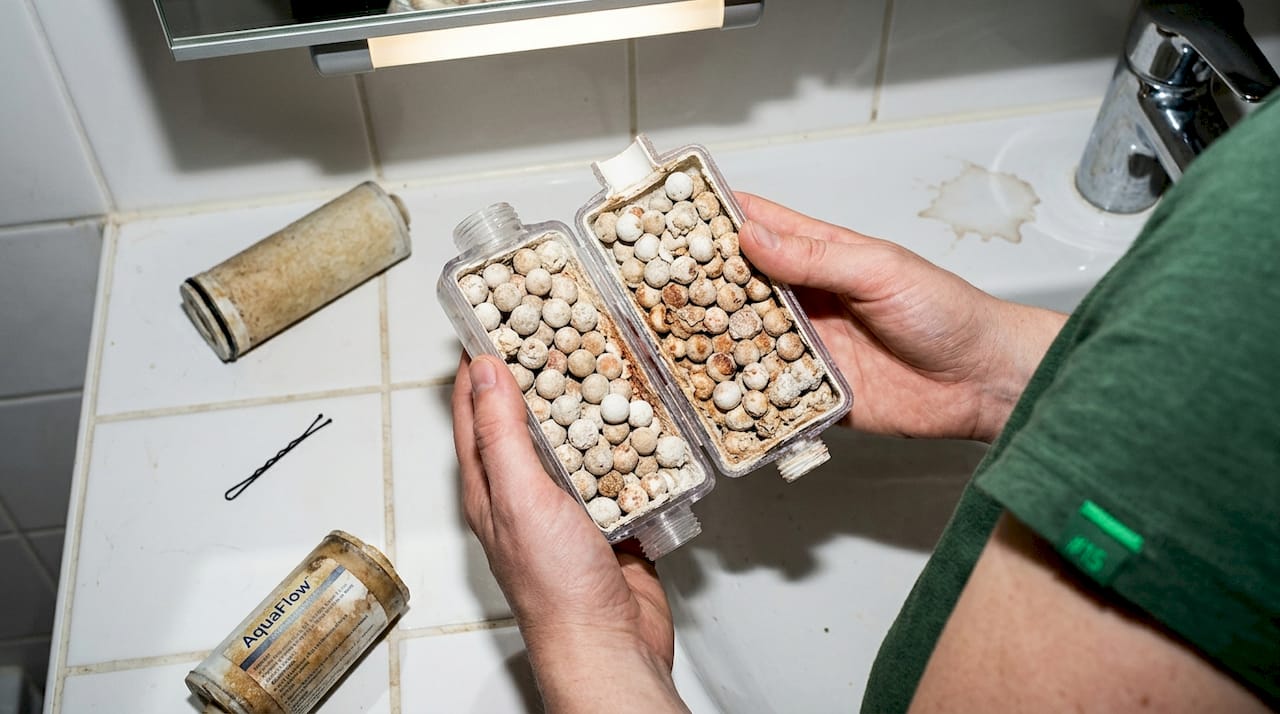
Ceramic filters take a different approach by using porous ceramic balls that physically trap minerals and sediment particles. The microscopic pores in ceramic media catch calcium, magnesium, and iron deposits while allowing clean water to flow through. These filters excel at reducing hardness and removing visible particles that cloud water. Ceramic technology offers exceptional durability, with some filters maintaining effectiveness for six months or longer depending on water quality and usage frequency.
Antibacterial filters incorporate materials like silver or copper ions that naturally inhibit microbial growth. These filters reduce bacteria, fungi, and other microorganisms that can colonize shower systems and transfer to your scalp during washing. By maintaining cleaner water, antibacterial filtration supports a balanced scalp microbiome, the community of beneficial bacteria that protects against irritation and promotes healthy hair growth.
Cloth or sediment filters provide basic mechanical filtration by catching larger particles like rust, sand, and debris. While they don’t address dissolved minerals or chemicals, they prevent visible contaminants from reaching your hair and clogging spray nozzles.
| Filter Type | Primary Function | Best For | Typical Lifespan |
|---|---|---|---|
| Vitamin C | Chlorine neutralization | Color-treated hair, chemical sensitivity | 2-3 months |
| Ceramic | Mineral reduction | Hard water areas, sediment removal | 4-6 months |
| Antibacterial | Microbial control | Sensitive scalps, infection prevention | 3-5 months |
| Cloth/Sediment | Particle removal | Basic filtration needs | 1-2 months |
Pro Tip: Mark your calendar when installing a new filter so you remember replacement dates, consistent maintenance ensures you always shower in properly filtered water.
The key to effective filtration lies in regular replacement. As filters accumulate trapped contaminants, their capacity diminishes and water flow may decrease. Following manufacturer guidelines for filter changes maintains optimal performance and ensures your hair receives the full protective benefits of clean, filtered water every time you shower.
Comparing filtration options: which is best for your hair?
Choosing the right filtration system depends on your specific water quality issues, hair type, and budget. Each filter technology offers distinct advantages, and understanding these differences helps you invest in the solution that addresses your primary concerns. Some people benefit from combining multiple filter types to tackle several water quality problems simultaneously.
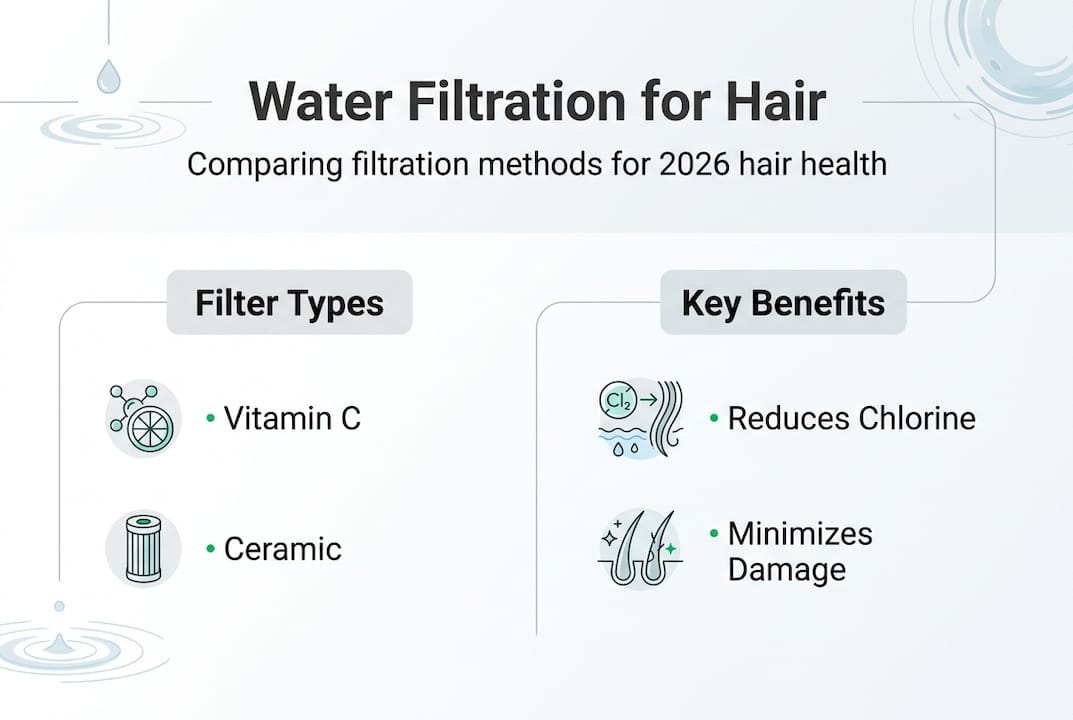
Vitamin C filters stand out as the top choice for anyone with color-treated hair or sensitivity to chlorine. The chemical neutralization process completely eliminates chlorine rather than just filtering it out, providing superior protection against fading and dryness. These filters work quickly, treating water in the split second it passes through, making them ideal for high-flow showerheads. The main consideration is replacement frequency, vitamin C media depletes faster than other types, typically requiring new cartridges every 8 to 12 weeks.
Ceramic filters deliver the most comprehensive mineral reduction, making them perfect for households dealing with severe hard water. The physical filtration process removes a wider range of particle sizes compared to other methods, and ceramic media lasts significantly longer before needing replacement. If your hair feels sticky or coated even after washing, or if you notice white scale buildup on fixtures, ceramic filtration addresses these mineral deposit issues effectively. The trade-off is slightly higher upfront cost and potentially reduced water pressure due to the dense filtration media.
Antibacterial filters serve a specialized role for people experiencing scalp conditions like dandruff, itching, or recurrent infections. The antimicrobial properties help reduce the bacterial and fungal load in shower water, creating a cleaner environment for your scalp. These filters work best when combined with other filtration types since they don’t address minerals or chlorine. People with compromised immune systems or those prone to skin infections see the most dramatic shower filter benefits from antibacterial technology.
Key factors influencing your filter choice:
- Water hardness level in your area (test to determine mineral content)
- Presence of chlorine or chloramine in municipal supply
- Hair color treatment status and fade concerns
- Scalp sensitivity or existing conditions
- Budget for initial investment and ongoing replacement costs
- Shower pressure requirements and flow rate preferences
| Consideration | Vitamin C | Ceramic | Antibacterial | Combined System |
|---|---|---|---|---|
| Chlorine removal | Excellent | Poor | Fair | Excellent |
| Mineral reduction | Fair | Excellent | Poor | Excellent |
| Microbial control | Poor | Poor | Excellent | Excellent |
| Cost per year | $60-80 | $40-60 | $50-70 | $90-120 |
| Maintenance effort | High | Low | Medium | Medium |
Pro Tip: If you’re unsure which filter suits your needs, start with a vitamin C filter since chlorine affects everyone, then add ceramic or antibacterial stages if you notice ongoing issues.
Many of the best shower filters in 2025 now offer multi-stage systems that combine vitamin C, ceramic, and antibacterial elements in a single housing. These comprehensive solutions cost more initially but eliminate the guesswork by addressing all common water quality problems at once. For serious hair health concerns, the investment in a quality multi-stage filter pays dividends through reduced product needs and fewer salon visits to correct damage.
Incorporating filtered water into your hair care routine effectively
Installing a shower filter represents just the first step toward healthier hair. Maximizing the benefits requires integrating filtered water thoughtfully into your complete hair care approach and adjusting your routine to work with, rather than against, the improved water quality. Small changes in how you wash and treat your hair amplify the positive effects of filtration.
Start by selecting a filter system compatible with your existing showerhead or choose an all-in-one filtered showerhead unit. Most filters install in minutes without tools, simply unscrew your current showerhead, attach the filter, and reconnect the head. Handheld models offer flexibility for rinsing hair thoroughly, ensuring every strand receives filtered water from roots to ends. Position the filter where it won’t interfere with shower controls or block spray patterns.
Once installed, follow these steps to optimize your hair washing routine:
- Wet hair completely with filtered water, taking extra time to saturate thick or long hair
- Apply shampoo and work into a lather, the filtered water helps products penetrate better
- Rinse thoroughly, spending twice as long as usual since clean water rinses more effectively
- Apply conditioner focusing on mid-lengths to ends, avoiding the scalp
- Leave conditioner on for 2-3 minutes while the filtered water maintains moisture
- Rinse until hair feels completely clean with no slippery residue remaining
The cleaner water allows you to use less product since shampoos and conditioners work more efficiently without competing against mineral buildup. Many people find they can reduce product amounts by 25-30% while achieving better results. This not only saves money but also prevents product overload that can weigh hair down or cause buildup over time.
Complement your filtered water use with these hair-friendly practices:
- Choose sulfate-free shampoos that won’t strip the natural oils filtered water helps preserve
- Reduce washing frequency to 2-3 times weekly, letting natural oils nourish hair between washes
- Apply a weekly deep conditioning treatment to maximize moisture retention
- Avoid heat styling tools when possible, or use heat protectant sprays before styling
- Pat hair gently with microfiber towels instead of rubbing vigorously with regular towels
- Let hair air dry partially before using blow dryers to minimize heat exposure
Pro Tip: Keep a spray bottle filled with filtered water in your bathroom for refreshing curls or dampening hair before styling, this extends the benefits beyond shower time.
Consistent use of filtered water produces natural hair growth improvements as your scalp environment normalizes and follicles function optimally. Most people notice softer, more manageable hair within two weeks, while significant improvements in strength and reduced breakage become apparent after 4-6 weeks of regular filtered water use. Color-treated individuals see their dye lasting noticeably longer, often gaining an extra 2-3 weeks before needing touch-ups.
Track your progress by taking photos every two weeks and noting changes in texture, shine, and manageability. This documentation helps you appreciate gradual improvements that might otherwise go unnoticed in daily observation. The visible transformation reinforces the value of maintaining your filtration system and encourages continued attention to healthier hair through water filtration.
Discover Vitaclean filters for healthier hair
Now that you understand how filtered water transforms hair health, finding the right filtration products becomes the next logical step. Vitaclean specializes in shower filtration systems designed specifically to address the water quality issues that damage hair and irritate scalps. The product range includes solutions for every water type and hair concern, from basic chlorine removal to comprehensive multi-stage filtration.
The vitamin C shower filter shots offer concentrated chlorine neutralization perfect for color-treated hair, while ceramic filters tackle hard water minerals that cause dryness and buildup. For those dealing with scalp sensitivity, antibacterial filters reduce microbial contamination that triggers irritation. Each product installs easily and comes with clear replacement schedules to maintain optimal performance. Vitaclean’s subscription service automates filter delivery so you never shower in unfiltered water, and customer support stands ready to help you choose the ideal system for your specific needs.
What is the role of filtration in hair health?
How does hard water damage hair?
Hard water minerals bond to hair proteins, creating a coating that blocks moisture absorption and makes strands feel rough and brittle. The buildup accumulates with each shower, progressively worsening dryness and causing increased breakage during brushing or styling. Minerals also irritate the scalp, triggering flaking and itchiness that many people mistake for dandruff. Over time, the mineral film dulls hair’s natural shine and interferes with how styling products and treatments perform.
Which filtration method is best for colored hair?
Vitamin C filters provide superior protection for color-treated hair by completely neutralizing the chlorine that oxidizes and fades dye molecules. This chemical neutralization process works faster and more thoroughly than physical filtration methods, preserving vibrant color for weeks longer than unfiltered water allows. The softer water also helps hair cuticles lie flat, enhancing shine and making color appear richer. Many colorists recommend shower filters specifically for colored hair as essential maintenance between salon visits.
How often should I replace my shower filter?
Most shower filters require replacement every 2-6 months depending on filter type, water quality, and household usage. Vitamin C filters typically need changing every 8-12 weeks due to faster media depletion, while ceramic filters last 4-6 months. Check your specific filter’s manufacturer guidelines and watch for decreased water pressure or return of water quality issues as signs that replacement time has arrived. Setting phone reminders when you install new filters helps ensure timely maintenance.
Can filtered water help with scalp conditions?
Filtered water significantly improves scalp health by removing chlorine, minerals, and contaminants that cause irritation and disrupt the natural microbiome balance. A healthy scalp environment supports stronger hair growth and reduces common issues like itching, flaking, and inflammation. The benefits for scalp microbiome include better moisture retention, reduced bacterial overgrowth, and improved follicle function. People with sensitive skin or existing scalp conditions often see dramatic improvement within weeks of switching to filtered shower water.