
Why shower water affects eczema and how to protect skin
Many people with eczema assume any water filter or softener will soothe their inflamed skin, yet research reveals a more complex picture. Not all water treatments deliver the relief you expect, and some may offer no measurable improvement at all. Understanding the specific ways shower water impacts eczema symptoms is essential for making informed choices about your skincare routine. This guide breaks down how water hardness, chlorine, temperature, and pH affect your skin barrier, and provides evidence-based strategies to minimize irritation. You’ll discover which interventions truly help and which fall short, empowering you to protect your skin every time you step into the shower.
Table of Contents
- The Impact Of Shower Water Quality On Eczema
- Scientific Insights And Recent Research On Shower Water And Eczema
- Practical Ways To Protect Eczema-Prone Skin From Shower Water Effects
- Protect Your Skin With Vitaclean Shower Filters
- Frequently Asked Questions
Key takeaways
| Point | Details |
|---|---|
| Hard water minerals disrupt barrier | Calcium and magnesium weaken skin defenses and worsen eczema symptoms. |
| Chlorine increases inflammation | Heated chlorinated water chemically dries and irritates sensitive skin. |
| Water treatments have limits | Softeners and some filters show mixed results and are not standalone cures. |
| Bathing habits matter most | Lukewarm water, short showers, and immediate moisturizing protect skin effectively. |
| Early exposure raises risk | Hard water contact in infancy increases eczema likelihood with genetic factors. |
The impact of shower water quality on eczema
Shower water quality plays a surprisingly significant role in eczema flare-ups, yet many people overlook this everyday trigger. Hard water skin symptoms arise when elevated calcium and magnesium levels interfere with the skin’s natural protective barrier. These minerals bind with soap molecules, creating a residue that clings to your skin long after you rinse. This film prevents moisture from penetrating and traps irritants against your epidermis, leading to dryness, itching, and inflammation.
Chlorine compounds the problem by chemically altering the lipid layer that seals moisture into your skin. When you shower in hot water, chlorine becomes more volatile and reactive, stripping away natural oils faster than your body can replace them. Eczema flare-ups intensify as chlorine exposure increases skin pH, weakening the acid mantle that defends against bacteria and allergens. This pH shift creates an environment where inflammatory responses escalate rapidly.
Temperature amplifies these effects dramatically. Hot water feels soothing in the moment but dissolves the sebum protecting your skin, leaving it vulnerable to environmental stressors. The heat also dilates blood vessels near the surface, triggering histamine release and intensifying itching sensations. Combined with hard water minerals and chlorine, this creates a perfect storm for eczema in hard water showers.
Your skin barrier functions like a brick wall, with cells as bricks and lipids as mortar. Hard water weakens this mortar by disrupting the formation of ceramides and other essential fats. When the barrier fails, water escapes from deeper layers while allergens and irritants penetrate inward. This two-way breach explains why eczema symptoms worsen in areas with particularly hard water supplies.
Key factors affecting eczema during showering:
- Mineral deposits from calcium and magnesium create irritating soap scum residue
- Chlorine oxidizes skin lipids and raises pH levels above optimal range
- Hot water temperatures strip protective sebum faster than skin can regenerate
- Alkaline water disrupts the acid mantle defending against pathogens
- Prolonged exposure time increases cumulative damage to barrier function
Pro Tip: Test your water hardness with an inexpensive kit from hardware stores. Readings above 120 mg/L indicate hard water that likely contributes to skin irritation.
Scientific insights and recent research on shower water and eczema
Recent clinical trials challenge popular assumptions about water treatment effectiveness for eczema management. A fine bubble shower washing study found no significant improvement in eczema severity scores or transepidermal water loss compared to conventional showering methods. Participants using specialized fine bubble technology showed statistically similar outcomes to control groups, suggesting that bubble size alone doesn’t address the underlying chemical and mineral issues in water.
Water softener research presents equally mixed results. Multiple pediatric studies examining softener installation in homes with eczema-affected children found no consistent reduction in symptom severity or flare frequency. While softeners remove calcium and magnesium through ion exchange, they often replace these minerals with sodium, which can still disrupt skin barrier function in sensitive individuals. The research on hard water eczema indicates that mineral composition matters more than total mineral content.
Epidemiological data tells a different story about correlation versus causation. Hard water areas show increased eczema prevalence in population-level studies, with measurable associations between water hardness and both initial eczema diagnosis and flare frequency. Regions with calcium carbonate levels exceeding 200 mg/L report eczema rates up to 54% higher than soft water regions. This suggests environmental water quality influences disease expression, even if individual interventions show limited benefit.
The mechanism driving this association involves chronic low-level barrier disruption. Daily exposure to hard water creates cumulative damage that prevents full barrier recovery between showers. Mineral deposits alter the skin surface pH from its optimal 4.5 to 5.5 range toward alkalinity, favoring bacterial colonization by Staphylococcus aureus. This bacterium produces toxins that trigger inflammatory cascades in eczema-prone skin.
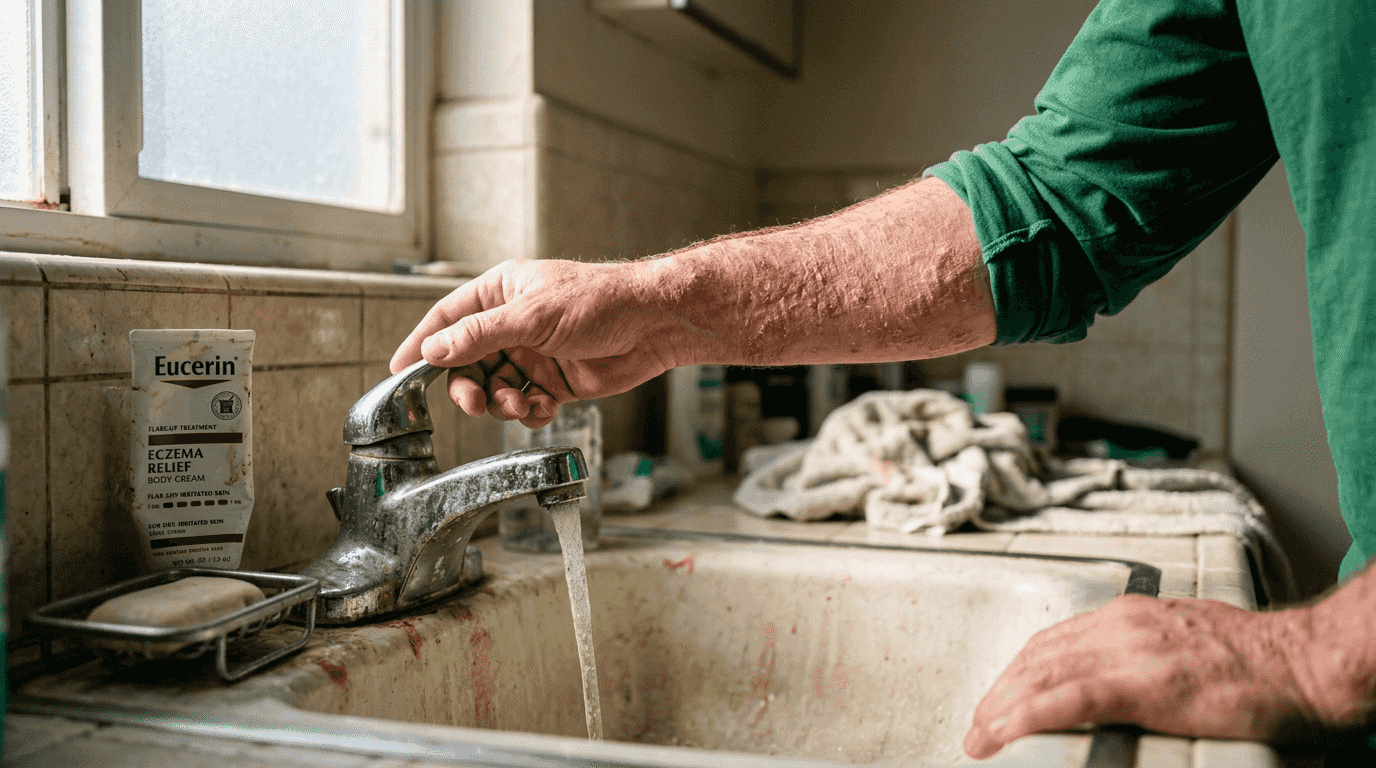
Early life exposure carries particular significance. Infants bathed in hard water during their first three months show elevated eczema risk that persists into childhood, especially when combined with filaggrin gene mutations. The developing skin barrier appears uniquely vulnerable to mineral-induced disruption during this critical window. Understanding these Vitaclean benefits helps contextualize how filtration fits into comprehensive eczema management.
Research findings summary:
| Study Type | Key Finding | Clinical Significance |
|---|---|---|
| Fine bubble shower trial | No improvement vs. conventional | Bubble technology alone insufficient |
| Water softener studies | Mixed results in children | Sodium replacement may still irritate |
| Population surveys | 54% higher prevalence in hard water areas | Environmental factor confirmed |
| Infant exposure research | Early contact increases lifetime risk | Critical developmental window exists |
Pro Tip: Track your eczema symptoms alongside shower habits for two weeks. Note water temperature, duration, and products used to identify your specific triggers beyond water quality alone.
Practical ways to protect eczema-prone skin from shower water effects
Implementing strategic bathing habits offers more reliable symptom relief than water treatment alone. Dermatologists emphasize lukewarm showers and gentle cleansers as foundational practices that directly counter water-related irritation. Temperature control prevents the oil-stripping effect of hot water while maintaining comfort. Aim for water that feels neutral against your inner wrist rather than noticeably warm.
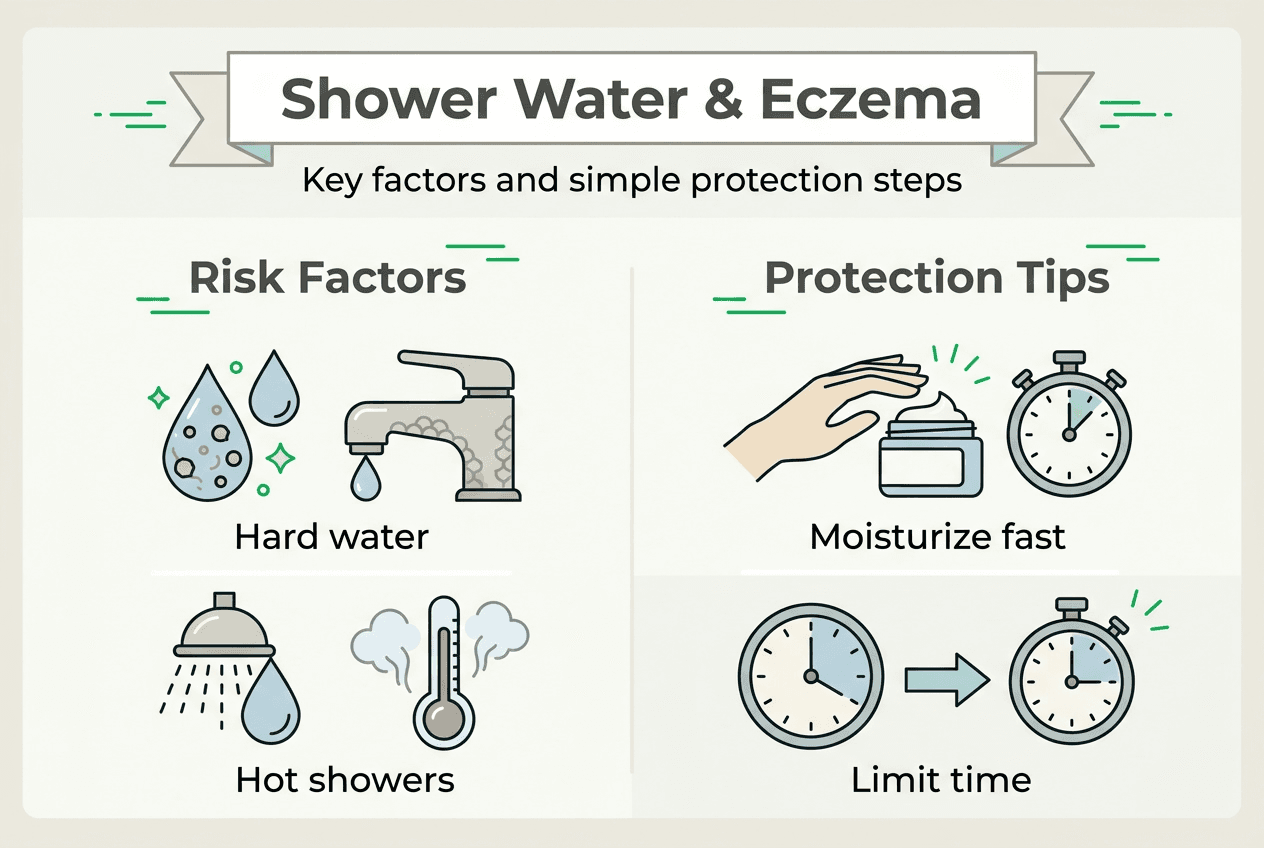
Shower duration matters as much as temperature. Limit bathing to five to ten minutes maximum, focusing on areas that genuinely need cleansing. Extended water exposure, even at optimal temperature, gradually dissolves the lipid barrier protecting your skin. Many people with eczema find that rethinking daily showering and alternating full showers with targeted washing reduces overall irritation.
Cleansing product selection requires careful attention to formulation. Choose fragrance-free, soap-free cleansers specifically labeled for sensitive or eczema-prone skin. These products maintain physiological pH and contain minimal surfactants that could strip protective oils. Apply cleanser only to areas prone to odor or dirt accumulation rather than your entire body surface.
Post-shower moisturizing creates the most critical intervention window. Apply a thick, occlusive moisturizer within three minutes of turning off the water, while your skin retains residual moisture. This practice traps water in the stratum corneum and reinforces the lipid barrier. Pat skin gently rather than rubbing vigorously, which can trigger mechanical irritation.
Shower filtration offers targeted chlorine reduction when properly selected. Filters with carbon and KDF media effectively remove chlorine and certain organic compounds that contribute to dryness. However, most shower filters cannot soften water or remove dissolved minerals due to flow rate limitations. Understanding these shower filter benefits helps set realistic expectations about what filtration can and cannot achieve.
Optimal bathing routine for eczema management:
- Set water temperature to lukewarm before entering shower
- Limit total shower time to five to ten minutes maximum
- Apply gentle cleanser only to necessary areas using hands, not washcloths
- Rinse thoroughly to remove all product residue
- Pat skin dry gently, leaving slight dampness
- Apply thick moisturizer immediately to lock in hydration
Common shower mistakes affecting eczema:
- Using water hot enough to create visible steam or redness
- Scrubbing with rough washcloths or exfoliating tools
- Applying fragranced body washes or antibacterial soaps
- Towel drying vigorously instead of patting gently
- Delaying moisturizer application beyond three minutes
Comparing different protective strategies reveals which interventions deliver measurable benefit:
| Strategy | Effectiveness | Implementation Ease | Cost |
|---|---|---|---|
| Lukewarm water | High | Very easy | Free |
| Short shower duration | High | Easy | Free |
| Immediate moisturizing | Very high | Easy | Low to moderate |
| Chlorine filtration | Moderate | Moderate | Moderate |
| Water softening | Low to moderate | Difficult | High |
| Specialized cleansers | Moderate to high | Easy | Moderate |
Pro Tip: Keep a timer in your bathroom and challenge yourself to complete showers in under eight minutes. This simple habit prevents unconscious over-exposure that gradually damages your skin barrier.
Avoid common shower mistakes like using antibacterial soaps, which disrupt the beneficial microbiome that helps regulate inflammation. Your skin hosts millions of helpful bacteria that compete with pathogenic species and produce anti-inflammatory compounds. Harsh antimicrobial products eliminate these allies along with potential threats.
Protect your skin with Vitaclean shower filters
Managing eczema requires addressing multiple factors simultaneously, and shower water quality represents one controllable element in your daily routine. Vitaclean shower filters reduce chlorine, organic compounds, and certain impurities that contribute to skin irritation and dryness. The filtration technology complements dermatologist-recommended practices like lukewarm water and immediate moisturizing, creating a comprehensive approach to minimizing flare triggers.
Vitamin C shower filter shots provide targeted chlorine neutralization through a simple cartridge system that installs in minutes. The vitamin C reacts with chlorine compounds before they contact your skin, reducing the oxidative stress that strips natural oils and raises pH. These filters work alongside your existing shower head without requiring plumbing modifications. Replaceable filters make maintenance straightforward, ensuring consistent water quality over time. Explore the full range of solutions at Vitaclean to find options that fit your specific needs and bathroom setup.
Frequently asked questions
Why does my eczema get worse after showering?
Eczema worsens after showering because hard water minerals and chlorine disrupt your skin barrier while hot water strips protective oils. The combination leaves skin vulnerable to moisture loss and inflammation. Residual soap scum from mineral reactions creates an irritating film that triggers itching and redness hours after bathing.
Can a shower filter cure my eczema?
Shower filters cannot cure eczema but may reduce irritation by removing chlorine and certain compounds that aggravate symptoms. Eczema results from complex genetic and immune factors that filtration alone cannot address. Filters work best as part of comprehensive management including appropriate moisturizers, medications, and trigger avoidance strategies recommended by your dermatologist.
Should I use hot or cold water for eczema?
Use lukewarm water for eczema rather than hot or cold extremes. Hot water strips natural oils and increases inflammation, while very cold water can shock skin and trigger reactive flaring. Water that feels neutral or slightly warm to your inner wrist maintains comfort while minimizing barrier disruption and moisture loss.
Do water softeners help with eczema symptoms?
Water softeners show mixed results for eczema, with some studies finding no significant symptom improvement. Softeners replace calcium and magnesium with sodium, which can still irritate sensitive skin. They may help reduce soap scum formation but don’t address chlorine or other chemical irritants that contribute to flare-ups.
How long should I shower if I have eczema?
Limit showers to five to ten minutes maximum when you have eczema. Prolonged water exposure gradually dissolves the lipid barrier protecting your skin, even at optimal temperature. Focus on cleansing only areas that need washing rather than soaking your entire body for extended periods.
What type of soap is best for eczema-prone skin?
Choose fragrance-free, soap-free cleansers specifically formulated for sensitive or eczema-prone skin. These products maintain physiological pH around 5.5 and contain minimal surfactants that could strip protective oils. Avoid antibacterial soaps, which disrupt the beneficial skin microbiome that helps regulate inflammation and compete with harmful bacteria.
Recommended
- Reasons you get eczema when showering in hard water
- SHEERLUXE: 4 REASONS WHY YOU SHOULD THINK TWICE ABOUT A DAILY SHOWER
- Benefits for your hair and skin when using shower filters
- This shower head filter has Vitamin C and essential oils to help sooth
- Soaps & Baths - Body Care - mybestpharmacy.net | Mybestpharmacy.net | Online Pharmacy