
Signs you need a shower filter for healthier skin
Have you noticed your skin feeling unusually dry after showering, or your hair losing its natural shine? These aren’t just random annoyances. They’re often clear signals that your shower water contains harmful contaminants affecting your daily wellness. Understanding the specific signs that indicate you need a shower filter can help you take control of your skin and hair health. This guide walks you through the key indicators that your shower water needs filtering, explains what’s actually in your water causing these problems, and shows you how to choose the right solution for your unique situation.
Table of Contents
- Key takeaways
- Recognizing skin and hair signs that suggest your shower water needs filtering
- Understanding hard water and chemical contaminants harming your hair and skin
- Comparing types of shower filters and their effectiveness against common water issues
- How to decide if you need a shower filter and pick the right one for your lifestyle
- Enhance your shower experience with Vitaclean shower filters
- FAQ
Key Takeaways
| Point | Details |
|---|---|
| Signs of water issues | Dry skin, itchiness, and dull hair shortly after showers indicate contaminants in your water affecting skin and hair health. |
| Filter reduces contaminants | Shower filters can lower chlorine minerals and other substances that strip moisture and damage hair and skin. |
| Hard water impact | Hard water minerals such as calcium and magnesium build up on skin and hair, reducing moisture absorption and making hair dull. |
| Choose right filter | Selecting a filter depends on the specific contaminants you have and the symptoms you notice, so identify signs before buying. |
Recognizing skin and hair signs that suggest your shower water needs filtering
Your body sends clear messages when shower water quality becomes a problem. Dry, flaky, or itchy skin appearing shortly after showering often points to chlorine or hard minerals disrupting your skin’s protective barrier. These contaminants strip away the natural oils that keep your skin hydrated and healthy.
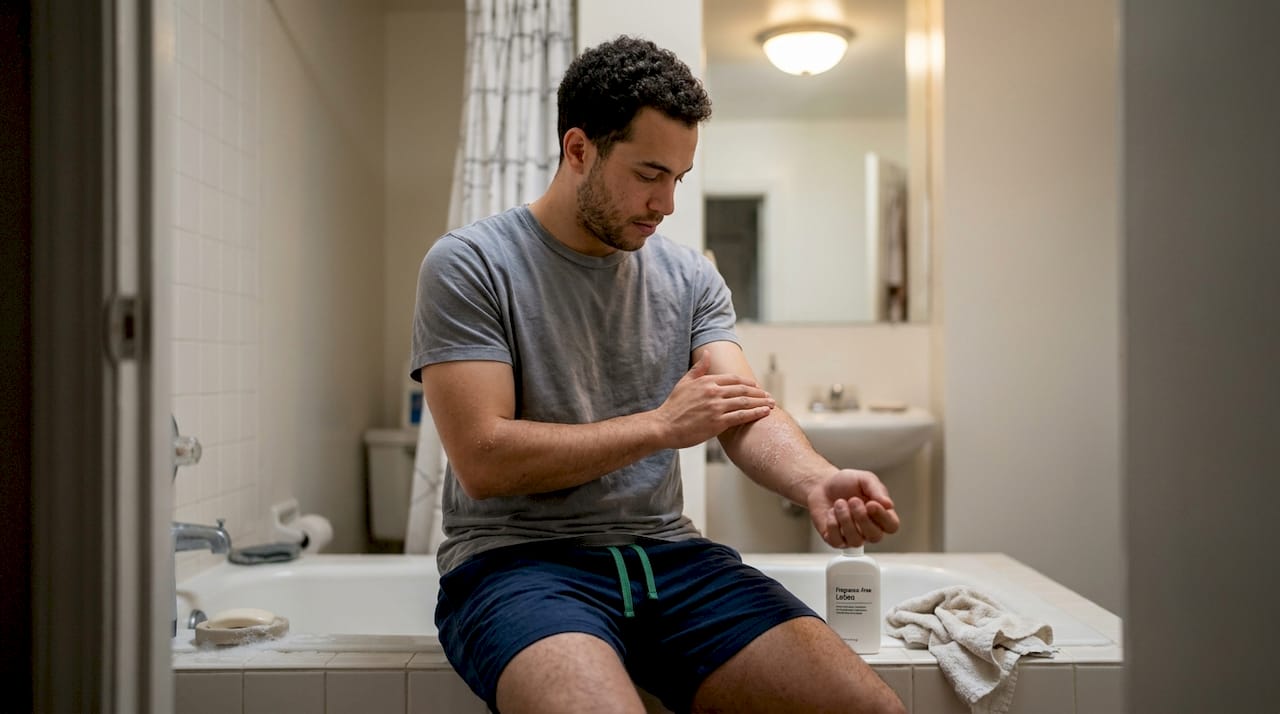
Hair tells an equally revealing story. When your hair feels brittle, looks dull, or breaks more easily than usual, mineral buildup or chlorine exposure is likely the culprit. You might notice your hair color fading faster, or that styling products don’t work as well as they used to. These changes happen because contaminants coat each strand, preventing moisture from penetrating properly.
Pay attention to unusual residue that regular washing can’t remove. This sticky or filmy feeling on your skin or hair indicates that minerals are bonding with soap, creating compounds that refuse to rinse away completely. Some people describe this as feeling like they never fully rinsed off, even after thorough washing.
Watch for these specific warning signs:
- Skin tightness or rough patches appearing within minutes of drying off
- Scalp itchiness that worsens after washing your hair
- Hair tangles that seem impossible to manage
- Increased sensitivity or redness on your face and body
- Unexplained breakouts or skin irritation in areas exposed to shower water
Pro Tip: Document your skin and hair condition with photos before installing a shower filter, then compare results after two weeks of use. This visual record helps you identify specific improvements and validates your investment in better water quality.
Understanding hard water and chemical contaminants harming your hair and skin
The invisible enemies in your shower water come in several forms. Hard water contains elevated levels of calcium and magnesium minerals that leave deposits on everything they touch, including your skin and hair. These minerals don’t just sit on the surface. They bind with the proteins in your hair and the lipids in your skin, fundamentally changing how these tissues function.
Hard water minerals damage hair by creating a coating that prevents moisture absorption and makes it nearly impossible to fully rinse out shampoo and conditioner. This buildup accumulates over time, making hair progressively duller and more difficult to manage. The same minerals interfere with your skin’s natural pH balance, triggering dryness and irritation.
Chlorine presents a different but equally serious threat. Water treatment facilities add chlorine to kill bacteria, but this powerful oxidizer doesn’t discriminate. It strips the natural oils from your skin and hair with the same efficiency it uses to eliminate microorganisms. Regular exposure leads to protein damage in hair strands and compromised moisture barriers in skin.
| Water type | Skin hydration | Hair texture | Product effectiveness | Long-term effects |
|---|---|---|---|---|
| Hard water | Reduced by 40% | Rough, tangled | Poor lathering, residue buildup | Cumulative damage, accelerated aging |
| Soft water | Maintained at natural levels | Smooth, manageable | Optimal performance | Improved hydration, healthier appearance |
Beyond minerals and chlorine, your shower water may contain additional contaminants that compound these problems:
- Heavy metals like lead or copper that oxidize and discolor hair
- Chloramines that persist longer than chlorine and cause similar damage
- Sediment particles that create physical abrasion on skin and hair
- Bacteria and microorganisms that trigger inflammation and breakouts
- Pesticide residues that penetrate skin during warm showers
The temperature of your shower amplifies these effects. Hot water opens your pores and hair cuticles, allowing contaminants to penetrate more deeply. This explains why people with sensitive skin often notice worse reactions after hot showers compared to lukewarm ones.
Comparing types of shower filters and their effectiveness against common water issues
Different filter technologies target specific contaminants, making it essential to match your filter type to your water quality problems. Understanding these differences helps you invest in a solution that actually addresses your particular concerns rather than just any filter on the market.
| Filter type | Removes chlorine | Reduces minerals | Eliminates bacteria | Best for | Lifespan |
|---|---|---|---|---|---|
| Vitamin C | Excellent | Minimal | Moderate | Chlorine sensitivity, dry skin | 2-3 months |
| Ceramic | Good | Excellent | Excellent | Hard water, sediment | 4-6 months |
| Antibacterial | Moderate | Minimal | Excellent | Microbial concerns | 3-4 months |
| KDF (copper-zinc) | Excellent | Good | Good | Multiple contaminants | 6-12 months |
| Activated carbon | Excellent | Minimal | Moderate | Chemicals, odors | 3-6 months |
Vitamin C shower filters excel at neutralizing chlorine through a chemical reaction that converts it into harmless compounds. This makes them ideal if your primary symptoms involve skin dryness, irritation, or hair brittleness linked to chemical exposure. The ascorbic acid in these filters also provides a slight pH balancing effect that many users find soothing.
Ceramic filters work through physical filtration, trapping sediment, bacteria, and some minerals as water passes through microscopic pores. They’re particularly effective for hard water issues and provide excellent protection against microbiological contaminants. The ceramic media can often be cleaned and reused, extending the overall lifespan.
Antibacterial filters incorporate materials like silver or copper that actively kill microorganisms on contact. These work well for people concerned about bacterial contamination or those with compromised immune systems. They provide ongoing antimicrobial protection throughout the filter’s life.
Consider these factors when selecting your filter type:
- Primary water issue: chlorine, minerals, bacteria, or multiple contaminants
- Severity of symptoms: mild irritation versus severe skin conditions
- Water pressure in your home: some filters reduce flow more than others
- Maintenance commitment: frequency of replacement and cost
- Combination needs: many people benefit from multi-stage filtration
Pro Tip: If you face multiple water quality issues, look for combination filters that incorporate vitamin C for chlorine removal plus ceramic or KDF media for minerals and bacteria. This multi-layered approach addresses the full spectrum of common shower water contaminants without requiring multiple separate units.
How to decide if you need a shower filter and pick the right one for your lifestyle
Making an informed decision about shower filtration starts with honest assessment of your current water quality and its effects on your wellness. Follow this systematic approach to determine if you need a filter and which type suits your situation.
- Evaluate your symptoms over a two-week period, noting when they appear and their severity
- Test your water hardness using an inexpensive home kit or check your municipal water report online
- Assess chlorine levels by smelling your water or using test strips designed for pool and spa testing
- Consider your budget for initial purchase and ongoing filter replacements
- Determine your maintenance capacity: how often can you realistically replace filters
- Research specific filters that target your identified water issues
- Read reviews from users with similar water quality problems
- Start with a basic filter that addresses your primary concern, then upgrade if needed
Water hardness testing reveals the mineral content in parts per million. Levels above 120 ppm indicate moderately hard water that benefits from filtration, while readings over 180 ppm suggest hard water requiring more aggressive treatment. Your municipal water supplier provides annual quality reports that detail chlorine levels, mineral content, and other relevant data.
Chlorine detection is simpler. If you smell a pool-like odor when you turn on your shower, chlorine levels are high enough to potentially damage skin and hair. Even without a strong smell, chlorine may still be present at concentrations that cause cumulative damage over time.
Budget considerations extend beyond the initial filter purchase. Calculate the total annual cost by multiplying the replacement filter price by how many you’ll need per year. A $30 filter replaced every two months costs $180 annually, while a $60 filter lasting six months costs $120 yearly. Factor in installation complexity too. Some filters require tools or plumber assistance, while others install in minutes by hand.
Maintenance ease matters for long-term success. Regular filter replacement maintains effectiveness and prevents bacterial growth in spent media. Choose a system with clear replacement indicators or set phone reminders based on the manufacturer’s recommended schedule.
Your living situation influences filter selection. Renters benefit from handheld shower filters that install without permanent modifications and move easily to new locations. Homeowners might prefer wall-mounted systems with higher capacity and longer filter life.
Pro Tip: Start your shower filter journey with a vitamin C option if you’re unsure about your specific water issues. These filters address the most common complaint (chlorine) at a reasonable price point, letting you experience immediate benefits while you investigate whether additional filtration would help.
Enhance your shower experience with Vitaclean shower filters
Transforming your daily shower into a wellness ritual starts with addressing water quality at the source. Vitaclean offers a comprehensive range of filtration solutions designed specifically for the health-conscious individual seeking better skin and hair outcomes. Whether you’re dealing with chlorine sensitivity, hard water buildup, or bacterial concerns, there’s a targeted solution.
Our vitamin C shower filter shots provide an easy entry point for anyone experiencing dry skin or brittle hair from chlorine exposure. These replaceable cartridges install in seconds and deliver immediate improvements you can feel after your first shower. For those facing hard water challenges, ceramic filters offer superior mineral reduction and sediment removal. People with specific microbial concerns appreciate our antibacterial shower filters that provide ongoing antimicrobial protection. Each product line includes compatible accessories and subscription options for hassle-free filter maintenance, ensuring your water quality improvements continue month after month.
FAQ
What are the most common signs that indicate you need a shower filter?
Dry, itchy skin appearing shortly after showering ranks as the most frequent indicator of poor water quality. Brittle hair that breaks easily, persistent soap scum buildup, and difficulty rinsing products completely also signal contamination issues. Hard water mineral deposits intensify these symptoms, creating a cumulative effect that worsens over time without intervention.
How does a vitamin C shower filter improve skin and hair health?
Vitamin C filters neutralize chlorine by converting it into harmless chloride through a chemical reaction, preventing the oxidative damage that causes dryness and irritation. This process preserves your skin’s natural moisture barrier and protects hair proteins from degradation. Users typically notice softer skin and more manageable hair within days of starting vitamin C filtration.
How often should shower filters be replaced to maintain effectiveness?
Most shower filters require replacement every three to six months depending on your water quality and household usage patterns. Regular replacement prevents clogging and microbial growth in spent filter media, maintaining optimal contaminant removal. Heavy users or those with particularly poor water quality may need more frequent changes, while single-person households might extend replacement intervals slightly.
Can a shower filter help with eczema or psoriasis symptoms?
Shower filters can significantly reduce symptoms for many people with eczema or psoriasis by removing chlorine and other irritants that trigger inflammation. The reduction in harsh chemicals allows skin to maintain its protective barrier more effectively. However, filters work best as part of a comprehensive treatment plan rather than a standalone solution for these chronic conditions.
Do shower filters reduce water pressure noticeably?
Quality shower filters cause minimal pressure reduction, typically less than 10% when new and properly maintained. Pressure drop becomes more noticeable as filters approach the end of their useful life and media becomes clogged. Replacing filters on schedule maintains both filtration effectiveness and water flow, ensuring a satisfying shower experience alongside health benefits.