
How water filtration works to improve shower quality
Most people assume their shower water is clean because it looks clear and smells fine. The truth is, municipal water often contains chlorine, heavy metals, and bacteria that can damage your skin and hair daily. Understanding how water filtration works helps you choose the right solution to transform your shower into a healthier experience. This guide explains filtration technologies, their benefits for skin and hair, and how to select and maintain the best filter for your needs.
Table of Contents
- Key takeaways
- What contaminants affect your shower water?
- How water filtration works: common methods and technologies
- Benefits of filtered shower water for skin and hair health
- Choosing and maintaining the right shower filter for your needs
- Explore Vitaclean shower filtration solutions
- FAQs about how water filtration works
Key Takeaways
| Point | Details |
|---|---|
| Shower contaminants | Municipal water can include chlorine, heavy metals, bacteria, and minerals that irritate skin and dull hair. |
| Hard water effects | Calcium and magnesium leave hair rough, hinder soap lather, and disrupt skin moisture. |
| Filtration options | Activated carbon, KDF, and ceramic filtration technologies target specific contaminants such as chlorine, heavy metals, bacteria, and mineral buildup. |
| Selection criteria | Choosing the right shower filter depends on your water quality and personal skin and hair needs. |
| Replacement intervals | Carbon filters typically require replacement every two to three months, while KDF media lasts about six months. |
What contaminants affect your shower water?
Your shower delivers more than just water. Municipal treatment facilities add chlorine to kill bacteria, but this chemical strips natural oils from your skin and hair. Shower water can contain chlorine, heavy metals, and bacteria that directly impact your appearance and comfort. The hot water you enjoy also opens your pores, allowing these contaminants to penetrate deeper into your skin.
Heavy metals present another concern. Lead and mercury leach from aging pipes, especially in older homes and apartment buildings. These metals accumulate on your skin over time, causing irritation and inflammation. Even trace amounts can trigger reactions in sensitive individuals. Copper pipes contribute to greenish tints in blonde hair, while iron creates orange or rust-colored staining.
Bacteria thrive in warm, moist environments like shower heads and pipes. Pseudomonas and Mycobacterium species colonize these areas, then spray onto your body during each shower. For people with acne, eczema, or compromised skin barriers, bacterial exposure worsens existing conditions. The biofilm inside pipes also harbors these organisms, making them difficult to eliminate without filtration.
Hard water minerals create their own set of problems:
- Calcium and magnesium leave deposits on hair, making it feel rough and look dull
- Mineral buildup prevents shampoo and soap from lathering properly
- Scale accumulation on skin blocks moisture absorption
- Hard water interferes with the natural pH balance of your scalp
“The combination of chlorine and hard water minerals creates a double assault on your skin’s protective barrier, leading to chronic dryness and sensitivity.”
Understanding these effects of shower water contaminants prepares you to evaluate which filtration method addresses your specific water quality issues.
How water filtration works: common methods and technologies
Filtration systems use different mechanisms to capture or neutralize contaminants. Activated carbon, KDF, ceramic, and vitamin C filters each remove specific substances through distinct chemical or physical processes. Knowing how these technologies work helps you match the right filter to your water’s contaminant profile.
Activated carbon filters contain millions of microscopic pores that trap organic chemicals and chlorine molecules. As water flows through the carbon bed, contaminants adhere to the surface through a process called adsorption. These filters excel at removing chlorine, volatile organic compounds, and chemicals that cause odors. However, carbon filters become saturated over time and lose effectiveness, requiring regular replacement every two to three months.
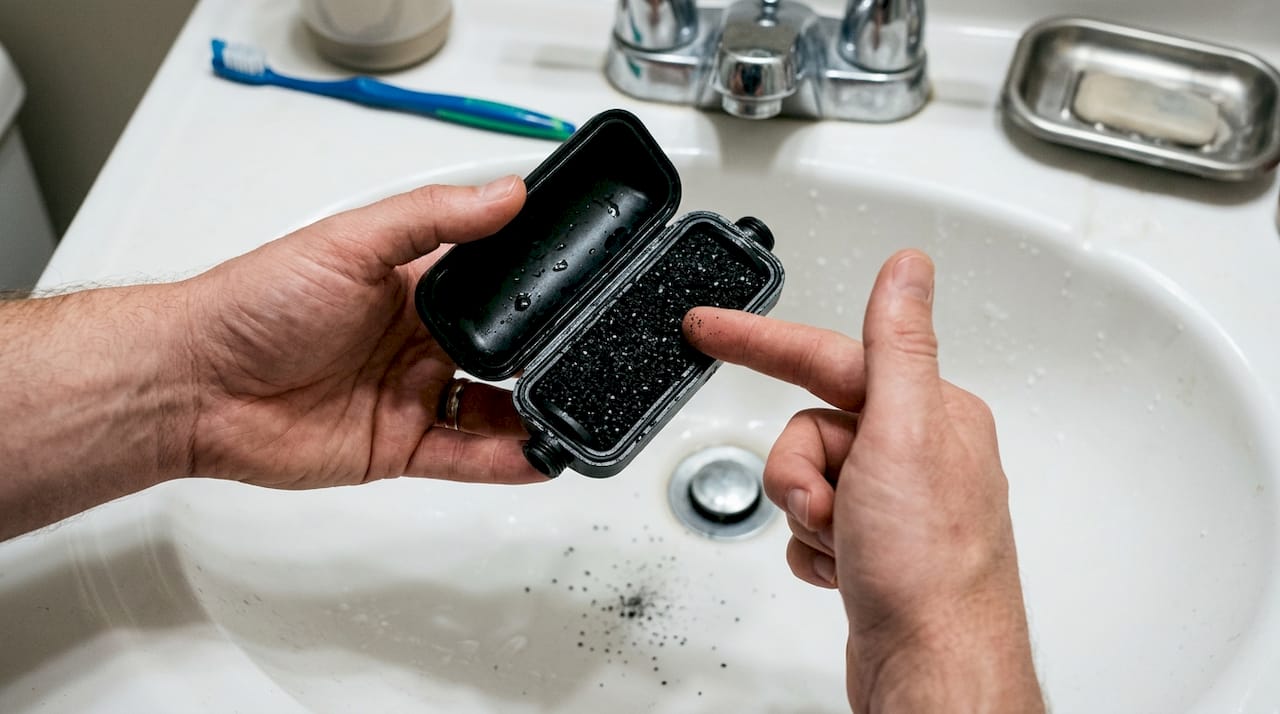
KDF media uses a redox reaction to transform contaminants into harmless substances. The copper-zinc alloy creates an electrochemical charge that removes heavy metals like lead and mercury. KDF also kills bacteria by disrupting their cell walls. This technology works best in warm water, making it ideal for shower applications. The media lasts longer than carbon, typically six months, but costs more initially.
Ceramic filters employ tiny pores to physically block particles, bacteria, and sediment. Water passes through the ceramic material while contaminants remain trapped on the surface. You can clean and reuse ceramic filters multiple times by scrubbing away accumulated debris. These filters provide excellent bacteria removal but don’t address chemical contaminants like chlorine. Many shower systems combine ceramic with other filter types for comprehensive protection.
Vitamin C filters neutralize both chlorine and chloramine through a chemical reaction. Ascorbic acid converts these chemicals into harmless compounds that won’t dry your skin. This method preserves your skin’s natural moisture barrier better than other technologies. Vitamin C filters work instantly on contact and remain effective in hot water, unlike carbon filters that lose efficiency at higher temperatures.
Pro Tip: Test your water before buying a filter. Municipal water reports identify specific contaminants, allowing you to choose the most effective filtration technology rather than guessing.
Multi-stage filtration combines several technologies for maximum contaminant removal:
- Water enters the first stage where sediment filters remove large particles and rust
- KDF media in the second stage eliminates heavy metals and kills bacteria
- Activated carbon in the third stage absorbs chlorine and organic chemicals
- Vitamin C or ceramic filters in the final stage provide additional purification
- Clean, filtered water exits through your shower head
Here’s how different shower filter technologies compare:
| Filter Type | Primary Contaminants Removed | Skin/Hair Benefits | Replacement Frequency |
|---|---|---|---|
| Activated Carbon | Chlorine, VOCs, odors | Reduces dryness, improves texture | 2-3 months |
| KDF Media | Heavy metals, bacteria | Decreases irritation, supports scalp health | 4-6 months |
| Ceramic | Bacteria, sediment, particles | Prevents breakouts, clarifies hair | 6-12 months (cleanable) |
| Vitamin C | Chlorine, chloramine | Enhances moisture retention, adds shine | 2-3 months |
Understanding these mechanisms prepares you to recognize the tangible benefits filtered water delivers for your skin and hair.
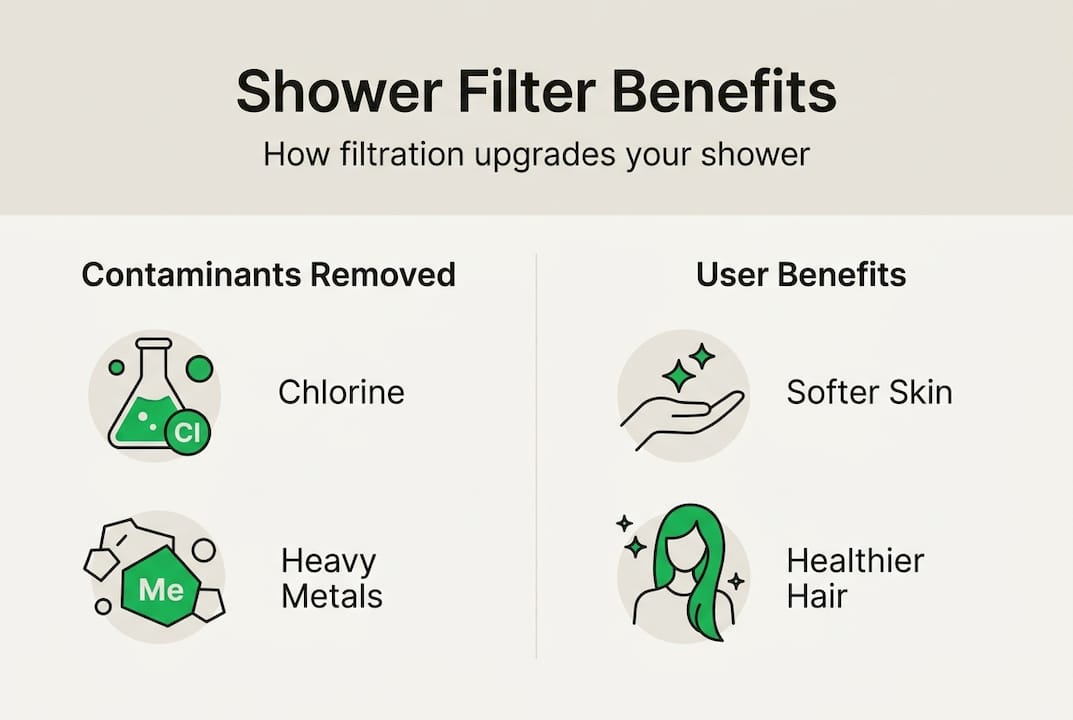
Benefits of filtered shower water for skin and hair health
Removing contaminants from shower water creates immediate improvements in how your skin feels and how your hair looks. Filtered shower water improves skin moisture by eliminating the chlorine that strips away protective oils. Your skin maintains its natural barrier function, reducing water loss throughout the day. People with eczema or psoriasis notice fewer flare-ups when they switch to filtered showers.
Hair responds dramatically to cleaner water. Without hard water minerals coating each strand, your hair feels softer and looks shinier. Color-treated hair maintains vibrancy longer because minerals no longer oxidize the dye molecules. Blonde hair avoids the greenish tint caused by copper, while dark hair gains more luster. Your scalp also benefits from reduced mineral buildup, which can clog follicles and slow hair growth.
Acne-prone skin improves when bacterial exposure decreases. The combination of bacteria removal and chlorine elimination reduces inflammation that triggers breakouts. Your pores stay clearer, and existing blemishes heal faster. Sensitive skin types experience less redness and irritation, especially around the face and neck where shower water hits directly.
Using vitamin C filters delivers additional advantages beyond basic filtration. The ascorbic acid acts as an antioxidant, protecting skin cells from oxidative stress. This supports your skin’s natural collagen production, helping maintain firmness and elasticity. Vitamin C also brightens skin tone by reducing the appearance of dark spots and hyperpigmentation.
Specific benefits you’ll notice:
- Skin feels hydrated for hours after showering instead of tight and dry
- Hair tangles less and requires less conditioner to feel smooth
- Scalp itching and flaking decrease significantly within two weeks
- Body lotions and hair products work more effectively on clean skin and hair
- Natural skin glow returns as irritation subsides
“Switching to filtered water transformed my chronic dry skin. Within a month, I stopped needing heavy moisturizers and my skin finally felt comfortable.”
These improvements depend on consistent filter performance. Pro Tip: Mark your calendar when you install a new filter and set a reminder for replacement day. Waiting too long allows contaminants to pass through saturated media, negating all the skin and hair benefits of filtered water.
The difference becomes especially noticeable if you travel and shower in unfiltered water. Your skin feels different immediately, confirming that your home filtration system makes a real impact. Many people report that friends and family comment on improvements in their skin clarity and hair shine, even without knowing about the filter installation.
Understanding these benefits motivates proper filter selection and maintenance, which we’ll cover next.
Choosing and maintaining the right shower filter for your needs
Selecting the right filter starts with knowing what’s in your water. Request a water quality report from your municipal supplier or purchase a home testing kit. These reports identify specific contaminants and their concentrations, allowing you to choose targeted filtration. Well water requires more comprehensive testing since it lacks municipal treatment.
Your skin type and hair concerns guide filter selection beyond basic contaminant removal. Dry, sensitive skin benefits most from vitamin C filters that preserve natural oils. Oily, acne-prone skin needs strong bacteria removal, making KDF or ceramic filters essential. Color-treated hair requires filters that remove heavy metals to prevent premature fading. Fine hair shows improvement with any filter that reduces hard water minerals.
Installing and maintaining your filter properly ensures long-term effectiveness:
- Remove your existing shower head by turning it counterclockwise with a wrench
- Clean the shower arm threads and apply plumber’s tape for a tight seal
- Attach the filter unit hand-tight, then give it a quarter turn with a wrench
- Install the filtered shower head onto the filter outlet
- Run water for 30 seconds to flush the new filter before your first shower
- Track installation date and set replacement reminders based on manufacturer guidelines
- Replace filter cartridges before they reach maximum capacity for continuous protection
Filter lifespan varies by type and water quality:
| Filter Type | Average Lifespan | Replacement Interval | Typical Cost per Replacement |
|---|---|---|---|
| Vitamin C cartridge | 2-3 months | Every 8-12 weeks | $15-25 |
| Activated carbon | 2-4 months | Every 10-16 weeks | $20-30 |
| KDF media | 4-6 months | Every 16-24 weeks | $30-45 |
| Ceramic (cleanable) | 6-12 months | Clean monthly, replace yearly | $25-40 |
Replacing filter cartridges on time maintains filtration efficiency and prevents contaminated water from passing through saturated media. Waiting too long transforms your filter into a breeding ground for the bacteria it’s supposed to remove.
Common mistakes that reduce filter effectiveness:
- Installing filters without plumber’s tape, causing leaks and pressure loss
- Ignoring manufacturer replacement schedules and using filters beyond their capacity
- Choosing filters based only on price rather than contaminant removal capabilities
- Failing to flush new filters before use, resulting in carbon dust in initial showers
- Mixing incompatible filter types that don’t address your water’s specific issues
Hard water areas require more frequent replacement since minerals saturate filters faster. If you notice your skin feeling dry again or your hair losing its softness, replace the filter immediately even if you haven’t reached the scheduled date. These signs indicate the media has reached capacity.
Consider subscription services for replaceable vitamin C shower filter shots that deliver new cartridges automatically. This eliminates the risk of forgetting replacement dates and ensures you always have fresh filters available. Subscriptions often cost less per cartridge than individual purchases.
Proper maintenance extends beyond filter replacement. Clean your shower head monthly to prevent mineral buildup on the spray nozzles. Soak it in white vinegar for 30 minutes, then scrub with an old toothbrush. This keeps water pressure strong and ensures even distribution across your body.
With the right filter properly maintained, you’re ready to explore specific products designed for your water quality needs.
Explore Vitaclean shower filtration solutions
Now that you understand how filtration works and why it matters, Vitaclean offers targeted solutions for every water quality concern. Our vitamin C shower filter shots neutralize chlorine and chloramine while supporting your skin’s natural moisture barrier. Each cartridge delivers consistent filtration for 8-12 weeks, transforming your daily shower into a spa-like experience.
For comprehensive protection, explore our ceramic filters collection that physically blocks bacteria and sediment while remaining cleanable and reusable. Combine multiple filter types for maximum contaminant removal tailored to your specific water profile. Our filter refill plans ensure you never run out, delivering fresh cartridges automatically based on your usage. Discover which Vitaclean system matches your skin and hair goals today.
FAQs about how water filtration works
How often should I replace my shower filter?
Replace vitamin C and carbon filters every 2-3 months, KDF filters every 4-6 months, and ceramic filters every 6-12 months after monthly cleaning. Hard water areas require more frequent replacement. Set calendar reminders based on your installation date to maintain effectiveness.
Can filtered shower water really improve skin dryness?
Yes, removing chlorine and hard water minerals prevents moisture loss from your skin’s protective barrier. Most people notice softer, more hydrated skin within two weeks of switching to filtered water. The improvement continues as your skin repairs damage from previous chlorine exposure.
Which filter type is best for hard water?
KDF filters combined with activated carbon work best for hard water. KDF removes heavy metals while carbon addresses chlorine. For severe mineral content, add a water softener to your home’s main line before the shower filter for comprehensive treatment.
Is installing a shower filter difficult?
No, installation takes 5-10 minutes with basic tools. Remove your current shower head, attach the filter unit to the shower arm, then install your shower head onto the filter. Most systems require only hand-tightening with a final quarter turn using a wrench.
Are vitamin C filters safe for sensitive skin?
Yes, vitamin C filters are ideal for sensitive skin because they neutralize chlorine without harsh chemicals. Ascorbic acid is gentle and actually supports skin health through antioxidant protection. People with eczema and rosacea often see the most dramatic improvements with vitamin C filtration.