
Why invest in water filters? Healthier skin & hair made simple
TL;DR:
- Tap water contains chlorine and minerals that damage skin and hair over time.
- Shower filters remove up to 99% of chlorine, improving skin hydration and hair health.
- Most users see noticeable skin and hair benefits within one to three weeks of use.
Your skincare routine is dialed in. You buy quality shampoo, moisturize daily, and drink enough water. Yet your skin still feels tight after a shower, and your hair looks dull no matter what products you use. The problem might not be your products. It could be your water. Most tap water contains chlorine and hard minerals that quietly strip away the natural oils your skin and hair need to thrive. A quality shower filter addresses this at the source, and this article breaks down exactly why that matters, how the technology works, and how to pick the right filter for your lifestyle.
Table of Contents
- The hidden impact of tap water on skin and hair
- How shower water filters work: Science, not hype
- Who benefits most from investing in shower filters?
- Choosing and maintaining the right shower filter
- Why shower filters are an underestimated wellness upgrade
- Upgrade your shower: Experience the benefits firsthand
- Frequently asked questions
Key Takeaways
| Point | Details |
|---|---|
| Chlorine damages skin and hair | Regular exposure to chlorinated shower water can dry out and irritate your skin and hair. |
| Filters deliver fast results | Many users notice softer skin and hair within weeks of using a certified shower filter. |
| NSF/ANSI 177 certification matters | Filters with this mark remove significant chlorine and ensure safer, gentler showers. |
| Best for sensitive types | People with sensitive skin, eczema, or color-treated hair gain the most from a good shower filter. |
| Easy to install and maintain | Modern filters are simple to add to most showers and only need replacement twice a year. |
The hidden impact of tap water on skin and hair
Most people never question their shower water. It looks clear, it smells fine, and it rinses everything off. But what you cannot see can absolutely affect your skin and hair. Municipal water is treated with chlorine to kill bacteria and make it safe to drink. That is a good thing for public health. For your skin barrier and hair cuticles, though, it is a different story.
Chlorine is a strong oxidizer. Every time it contacts your skin, it disrupts the protective layer of natural oils, called the acid mantle, that keeps moisture in and irritants out. Over time, this leads to dryness, tightness, and in people with existing conditions, genuine flare-ups. As research confirms, repeated chlorinated water exposure reduces skin moisture retention and worsens eczema and psoriasis. That is not a minor side effect.
Hard water compounds the problem. It carries dissolved calcium and magnesium minerals that leave residue on your skin and hair after every shower. This buildup makes hair feel rough, blocks follicles, and leaves skin looking lackluster. You might be spending a lot on serums and leave-in conditioners without realizing your water is working against all of it.
Here is what chlorine and hard water exposure can look and feel like on a daily basis:
- Itchy, tight skin right after showering
- Dull, brittle, or frizzy hair
- Scalp irritation or flaking
- Worsened eczema or psoriasis patches
- Color-treated hair fading faster than expected
- Skin that feels dry even after applying moisturizer
The hair and skin benefits of filtering your shower water become obvious once you understand what unfiltered water is actually doing. People with sensitive skin often see the most dramatic improvements, but even those without diagnosed conditions notice a real difference in texture and hydration.
“Repeated chlorinated water exposure reduces skin moisture retention and worsens eczema and psoriasis.”
Certified shower filters can remove up to 99% of chlorine from your water, which means every shower becomes significantly less damaging to your skin and hair. That single change can reframe how effective your entire skincare and haircare routine actually is.
How shower water filters work: Science, not hype
Now that you see the risks, it is important to understand precisely how shower filters address them. Not all filters are built the same, and knowing what is inside the cartridge helps you make a smarter purchase.
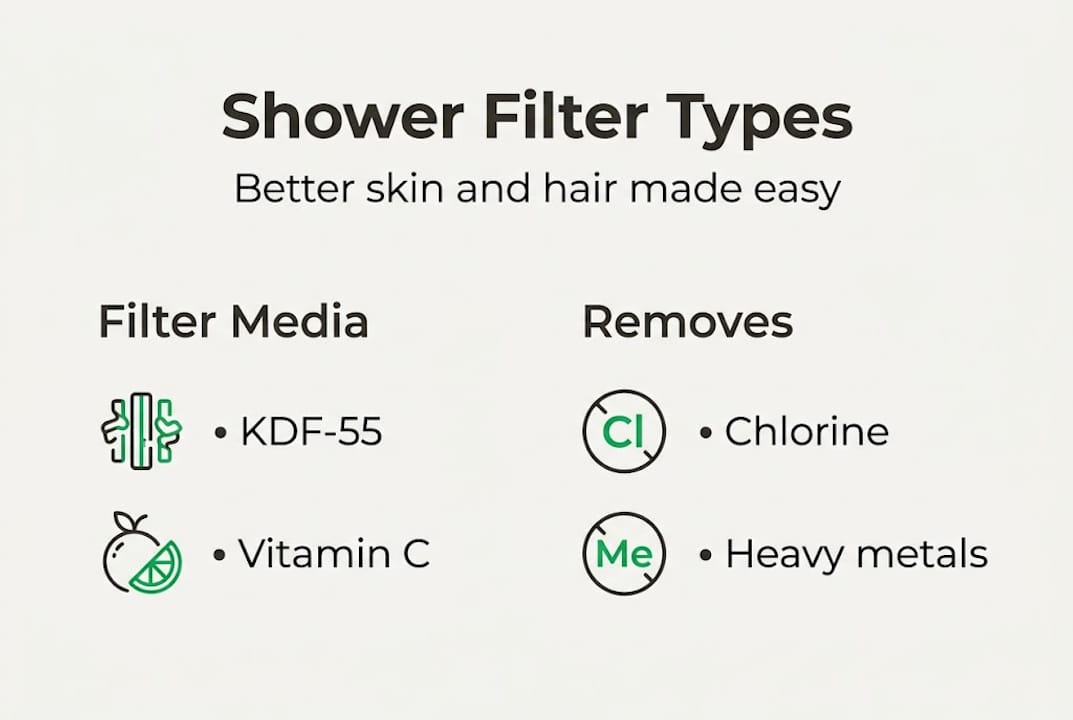
The most common filter media each target different contaminants:
| Filter media | What it removes | Best for |
|---|---|---|
| KDF-55 | Free chlorine, heavy metals | General chlorine reduction |
| Calcium sulfite | Free chlorine (even in cold water) | Cold or warm showers |
| Activated carbon | Chlorine, odors, VOCs | Odor and chemical reduction |
| Vitamin C (ascorbic acid) | Chlorine and chloramines | Comprehensive neutralization |
Shower filters using KDF-55, calcium sulfite, and activated carbon remove 90 to 99% of free chlorine. NSF/ANSI 177 certification means the filter has been independently tested to achieve at least a 50% chlorine reduction under real shower conditions. That certification matters because it removes the guesswork.
Pro Tip: Always look for NSF/ANSI 177 on the packaging before buying. It is the only standardized proof that a filter actually performs as advertised.
Here is how a quality multi-stage filter works step by step:
- Pre-filter stage: Captures larger particles like sediment and rust before they reach your skin.
- Primary filtration stage: The main media (KDF, calcium sulfite, or Vitamin C) neutralizes chlorine and chloramines at the molecular level.
- Secondary polish stage: Activated carbon or ceramic balls catch remaining trace chemicals and improve water feel.
Vitamin C filters deserve a special mention. Ascorbic acid neutralizes both chlorine and chloramines, which is important because many municipal water systems now use chloramines instead of plain chlorine. Most traditional filter media do not address chloramines as effectively. The Vitamin C filter benefits go beyond basic chlorine removal, making them a strong choice for anyone in a city with modern water treatment.
Combination filters that layer multiple media types address the broadest range of irritants and give you the most consistent results across different water supplies.
Who benefits most from investing in shower filters?
Understanding how the filters work leads to one core question: will you feel or see a difference, and who really should invest? The honest answer is that almost anyone who showers in municipal tap water can benefit. But certain groups see faster and more dramatic results.
- People with eczema or sensitive skin: Reducing chlorine and irritants directly lowers the trigger load on reactive skin.
- Color-treated hair: Chlorine accelerates color fade and dries out chemically processed strands.
- Health-focused individuals: If you already invest in clean eating, filtered drinking water, or natural products, filtering your shower is a logical next step.
- Apartment dwellers: Renters often cannot install whole-home filtration, making a shower filter the most practical upgrade available.
- Scalp health concerns: Dandruff and irritation often improve when the scalp is no longer exposed to harsh chemicals daily.
Filters help sensitive skin and eczema by reducing irritants with low risk and real anecdotal improvements in dryness and skin texture. Most users notice softer skin and smoother hair within one to three weeks of consistent use.
| Group | Primary result | Typical timeframe |
|---|---|---|
| Eczema and sensitive skin | Fewer flare-ups, less redness | 1 to 2 weeks |
| Color-treated hair | Slower fade, better shine | 2 to 3 weeks |
| Dry skin types | Improved moisture retention | 1 to 3 weeks |
| Scalp concerns | Reduced irritation, less flaking | 2 to 4 weeks |
For dermatologist-approved shower practices, pairing a filter with gentle cleansers gives your skin the best possible environment to heal. If you are managing eczema specifically, reducing water irritants is one of the most actionable steps you can take at home.
Pro Tip: Pair your new shower filter with a fragrance-free moisturizer applied within two minutes of stepping out. That combination locks in hydration before your skin barrier has a chance to dry out.
Choosing and maintaining the right shower filter
For those who decide to invest, the next step is choosing and maintaining the right filter for consistent benefits. A filter that sits unchecked for years is not doing its job, and the wrong model can leave you with poor water pressure or incompatible fittings.
When shopping, prioritize these factors:
- NSF/ANSI 177 certification: Non-negotiable for verified performance.
- Multi-stage filtration: More media layers mean broader contaminant coverage.
- Compatibility: Check your shower arm thread size before ordering.
- Filter lifespan: Look for models with clear replacement schedules.
Certified filters from reputable brands like Aquasana and Sprite are verified for chlorine reduction. Multi-stage options are especially important if your water contains chloramines. Plan to replace the cartridge every six months for consistent results. Check the best shower filters for 2026 if you want a curated comparison before buying.
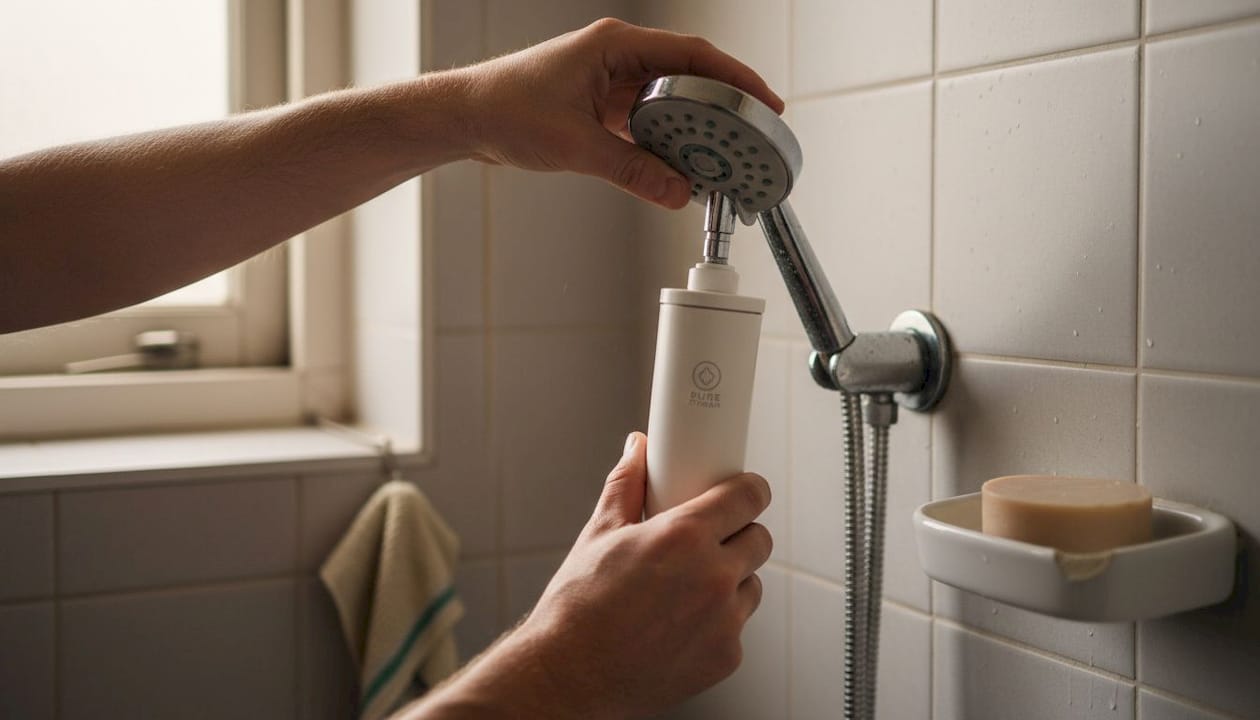
Installing most shower filters takes under five minutes:
- Remove your existing shower head by unscrewing it counterclockwise. Use a cloth to protect the finish.
- Wrap the threads with plumber’s tape to prevent leaks.
- Attach the filter to the shower arm, then connect your shower head to the filter outlet.
- Run water for two minutes to flush any loose media before your first use.
Common mistakes to avoid:
- Forgetting to replace the cartridge on schedule
- Buying a filter without checking thread compatibility
- Skipping the plumber’s tape and dealing with leaks
- Assuming all filters handle chloramines (many do not)
For a quick effectiveness check, chlorine test strips let you measure your water before and after installing the filter. It is a satisfying way to confirm the filter is doing its job. You can also follow a step-by-step filtration guide to make sure your setup is optimized from day one.
Set a recurring calendar reminder every six months so replacement never slips your mind.
Why shower filters are an underestimated wellness upgrade
Here is something most wellness content glosses over. People routinely spend $50 to $150 on a single serum or hair mask, then repeat that purchase every month, without ever questioning why the results feel temporary. The answer is often that the water washing everything off is undoing the work before it even has a chance to take effect.
A shower filter is not glamorous. It does not come in beautiful packaging or promise a glow in 10 days. But it addresses the root cause of many skin and hair frustrations in a way that no topical product can. Filtering your shower water means every product you already use gets to work in a cleaner, less reactive environment.
The transformation stories from real users consistently point to one theme: people wish they had made this change sooner. The return on investment is fast, the installation is simple, and the ongoing cost is low. In a wellness space full of expensive, overhyped solutions, a shower filter might be the most underrated upgrade available.
Upgrade your shower: Experience the benefits firsthand
If you have read this far, you already know that better water means better results from everything else in your routine. The good news is that making the switch is easier than most people expect.
Vitaclean’s Vitamin C shower filters are designed to neutralize chlorine and chloramines while turning your daily shower into something that actually supports your skin and hair. Browse the full range of shower accessories to find the setup that fits your space, and keep your filter performing at its best with easy-to-order replacement filters on a simple schedule. Healthier skin and hair start with cleaner water, and that upgrade is one installation away.
Frequently asked questions
What does an NSF/ANSI 177 certified shower filter do?
NSF/ANSI 177 certified filters are independently tested to remove at least 50% of chlorine under real shower conditions, giving you verified protection rather than a marketing claim.
How quickly can I expect to see results after installing a shower filter?
Most users report softer skin and improved hair texture within 1 to 3 weeks of regular use, with sensitive skin types often noticing changes even sooner.
Is a shower filter effective for hard water or skin conditions?
Filters significantly reduce chlorine and chemical irritants, which is especially helpful for sensitive skin and eczema, though very hard water may also need a dedicated softener for full mineral reduction.
How often do I need to replace a shower filter?
Replace your shower filter every 6 months for consistent chlorine reduction, or follow the manufacturer’s specific guidelines based on your water usage and local water quality.