
Rain Shower Head Benefits List: Your Complete 2026 Guide
TL;DR:
- A rain shower head provides broad, natural rainfall-like water coverage that enhances relaxation and bathroom aesthetics. Its effectiveness depends on sufficient water pressure, proper sizing, and pairing with accessories like handheld units and filters; pairing these improves overall experience. Water efficiency and quality should be considered to ensure sustainable, healthful showers without sacrificing comfort.
A rain shower head is a wide, ceiling or wall-mounted fixture that delivers water in a broad, even pattern that mimics natural rainfall. This rain shower head benefits list covers everything from skin hydration and stress relief to water pressure requirements and real installation costs. The key advantages of rain shower heads include full-body coverage, a calming sensory experience, and compatibility with WaterSense water efficiency standards. Whether you own your home or rent, understanding these benefits helps you decide if an overhead shower upgrade is worth it.
1. What are the top benefits of a rain shower head?
Rain shower heads uniquely replicate natural rain with consistent, shoulder-to-shoulder water coverage that a standard shower head simply cannot match. That full-body saturation is the core reason so many homeowners and renters choose this upgrade.
The top advantages of rain shower heads include:
- Immersive coverage. Water falls evenly across your shoulders, back, and head at once, eliminating the need to rotate under a narrow stream.
- Relaxation and stress relief. The psychology behind rainfall showers centers on selling an escape experience. People seek relaxation, not efficiency, when they step under a rain head.
- Aesthetic upgrade. A large-face overhead fixture signals a premium bathroom renovation and improves home valuation, particularly in homes valued above $400,000.
- Gentle water flow. The soft, low-velocity spray reduces skin irritation compared to a high-pressure jet, making it a good fit for people with sensitive skin.
- WaterSense compatibility. Modern rain shower heads are available with WaterSense certification, which requires at least 20% less water use than the industry standard, without sacrificing the spa-like feel.
- Mental wellness. The consistent sound and sensation of falling water activates a calming response, making your daily shower a genuine stress-relief ritual.
Pro Tip: If relaxation is your primary goal, choose a model with a wide face and a low-flow WaterSense rating. You get the spa effect without a significant jump in your water bill.
2. How water pressure and shower head size affect your experience

Size and pressure are the two factors most people overlook before buying. Standard rain shower heads have face diameters from 8 to 12 inches and require a minimum of 40 PSI water pressure to work effectively. Below that threshold, the flow feels like a weak trickle rather than a soothing rainfall.
The table below shows how size and pressure interact:
| Head Diameter | Minimum PSI Needed | Coverage Area | Best For |
|---|---|---|---|
| 8 inches | 40 PSI | Shoulders and head | Smaller showers, renters |
| 10 inches | 45 PSI | Full upper body | Average bathrooms |
| 12 inches | 50 PSI | Full body, spa-like | Larger showers, homeowners |
The advertised diameter does not guarantee coverage unless your home’s water pressure meets the minimum requirement. This is the most common source of disappointment after installation.
Renters and homeowners in low-pressure buildings have two practical options. First, choose a model specifically engineered for low-pressure performance, which uses pressure-compensating nozzles to maintain spray quality. Second, install a dual system that pairs a rain head with a high-pressure handheld unit, giving you both the relaxation experience and the rinsing power you need.
Pro Tip: Test your home’s water pressure with an inexpensive gauge before purchasing. Attach it to a hose bib or shower head connection. If you read below 40 PSI, prioritize a low-pressure rain model.
3. Skin, hair, and cleaning benefits of overhead showers
The gentle flow from a rain shower head does more than feel good. It delivers real benefits for your skin and hair when used correctly. The soft, wide spray improves skin hydration by reducing the stripping effect that high-pressure jets can cause on your skin’s natural moisture barrier.
Key skin, hair, and cleaning benefits include:
- Even shampoo and conditioner rinsing. The broad coverage saturates your hair from root to tip simultaneously, which reduces the patchy rinsing that a narrow stream causes.
- Reduced scalp irritation. Lower water velocity means less mechanical stress on the scalp, which benefits people prone to dryness or sensitivity.
- Better soap rinsing. Full-body water distribution removes soap residue more evenly, leaving skin feeling cleaner without extra scrubbing.
- Easier mineral buildup removal. Models with soft rubber spray nozzles let you wipe away mineral deposits by hand, without chemicals or tools.
- Complementary handheld use. Users often underestimate the need for a handheld unit to efficiently rinse hair and targeted areas. Pairing a rain head with a handheld unit covers both relaxation and precision rinsing.
One detail worth knowing: unfiltered tap water contains chlorine and other impurities that counteract the skin and hair benefits of a gentle spray. A Vitamin C shower filter, like those from Vitacleanhq, neutralizes chlorine at the source, so the water reaching your skin is actually clean, not just soft-feeling.
Pro Tip: Pair your rain shower head with a handheld shower filter for targeted rinsing. You get the full-body soak from above and precise control below.
4. Economic and environmental considerations
Rain shower heads carry real costs that go beyond the purchase price. Professional installation ranges from $150 to $800+, depending on whether you need new plumbing or ceiling mounting. A DIY wall-mount upgrade costs $30 to $200 and requires no special tools on most standard shower arms.
Water consumption is the bigger long-term cost. The typical flow rate of 2.0–2.5 GPM is similar to a standard head, but rain showers increase shower duration by 3–7 minutes on average. That extra time adds approximately 4,500 gallons of water per year. That translates directly to higher utility bills if you are not mindful of shower length.
The solution is a WaterSense certified rain shower head. WaterSense labeled fixtures use at least 20% less water than the industry standard. You keep the immersive experience while cutting consumption. Pairing a WaterSense model with a water-conserving shower head approach is the most practical way to balance luxury with environmental responsibility.
Pro Tip: Set a timer for your rain showers. Even a two-minute reduction saves hundreds of gallons per month without changing your fixture.
5. Rain shower head features worth prioritizing
Not all rain shower heads deliver the same experience. The features you choose to determine whether you get a genuine spa feel or a disappointing trickle. Knowing which specifications matter most saves you from a costly return.
The most important features to evaluate are:
- Face diameter. Larger faces (10–12 inches) deliver broader coverage but demand higher pressure. Match the size to your home’s PSI.
- Spray settings. Multi-function models offer rainfall, massage, and mist modes. An 8-function shower head gives you the flexibility to switch between relaxation and high-pressure rinsing.
- Nozzle material. Soft rubber nozzles resist mineral buildup and clean with a simple finger wipe. Hard plastic nozzles require chemical descalers over time.
- Finish durability. Chrome and brushed nickel finishes resist corrosion in humid environments. Matte black finishes show water spots more easily.
- Arm compatibility. Wall-mount models thread onto standard shower arms without tools, making them ideal for renters. Ceiling-mount models require a plumber for installation.
- Certification. Look for WaterSense certification to confirm the fixture meets EPA water efficiency standards.
The broad, gentle flow improves relaxation but may reduce rinsing speed. Choosing a model with at least one high-pressure setting gives you both benefits without compromise.
6. Why choose a rain shower head, and when it is not the right fit
A rain shower head suits people who prioritize relaxation, long showers, and bathroom aesthetics. It is not the right choice for every household. Understanding both sides helps you make a confident decision.
Best suited for:
- Homeowners who want a spa-like bathroom and are willing to invest in proper installation
- Renters in buildings with adequate water pressure (40+ PSI) who want a tool-free upgrade
- People with sensitive skin or scalp conditions who benefit from gentle, low-velocity water
- Anyone focused on shower head benefits beyond basic rinsing, including stress relief and skin care
Not ideal for:
- Quick morning showers where rinsing speed matters more than relaxation
- Homes or apartments with water pressure below 40 PSI without a pressure-boosting solution
- People who need strong, targeted spray for muscle relief (a high-pressure head serves this better)
- Tight shower stalls where a 12-inch face creates splashing outside the spray zone
The dual shower system approach solves most of these limitations. Pairing a rain head with a handheld unit gives you the immersive experience when you want it and practical rinsing power when you need it. For homeowners, the aesthetic and resale value benefits add another layer of justification for the investment.
Key Takeaways
A rain shower head delivers genuine relaxation, skin, and aesthetic benefits, but only when matched to your home’s water pressure and paired with the right accessories.
| Point | Details |
|---|---|
| Pressure is non-negotiable | A minimum of 40 PSI is required for any rain shower head to perform as intended. |
| Size affects coverage | Face diameters of 8–12 inches determine coverage area; match size to your shower space and PSI. |
| Water use increases | Extended shower duration adds approximately 4,500 gallons annually; choose WaterSense models to offset this. |
| Dual systems add versatility | Pairing a rain head with a handheld unit solves rinsing efficiency without sacrificing the spa experience. |
| Water quality matters | Chlorine in unfiltered tap water undermines skin and hair benefits; a Vitamin C filter addresses this directly. |
What I actually think about rain shower heads
The part most buyers skip
I have seen a lot of people install a beautiful 12-inch rain head and then complain that it feels like standing under a garden sprinkler. Every single time, the culprit is water pressure. They bought the fixture based on looks and skipped the five-minute pressure test. That one step would have saved them a $300 return.
My honest opinion: the rain shower experience is real, but it is conditional. You cannot buy your way to a spa shower if your building’s plumbing delivers 30 PSI. Test first, then shop.
The other thing I push hard on is water quality. A rain shower head spreads water across a much larger surface area of your skin than a standard head. That means if your tap water is loaded with chlorine, you are absorbing more of it per shower, not less. The gentle flow feels luxurious, but unfiltered water is still unfiltered water. Adding a Vitamin C filtration layer to your setup is not optional if skin and hair health are your actual goals.
Finally, I recommend the dual system to almost everyone. A rain head alone is a relaxation tool. A rain head plus a handheld unit is a complete shower system. The handheld handles hair rinsing, targeted muscle relief, and cleaning the shower itself. The combination costs more upfront, but it eliminates every practical complaint about rain heads.
— Sara
Better water quality to go with your new shower head
A rain shower head upgrades how water feels. Vitacleanhq upgrades what is in the water.
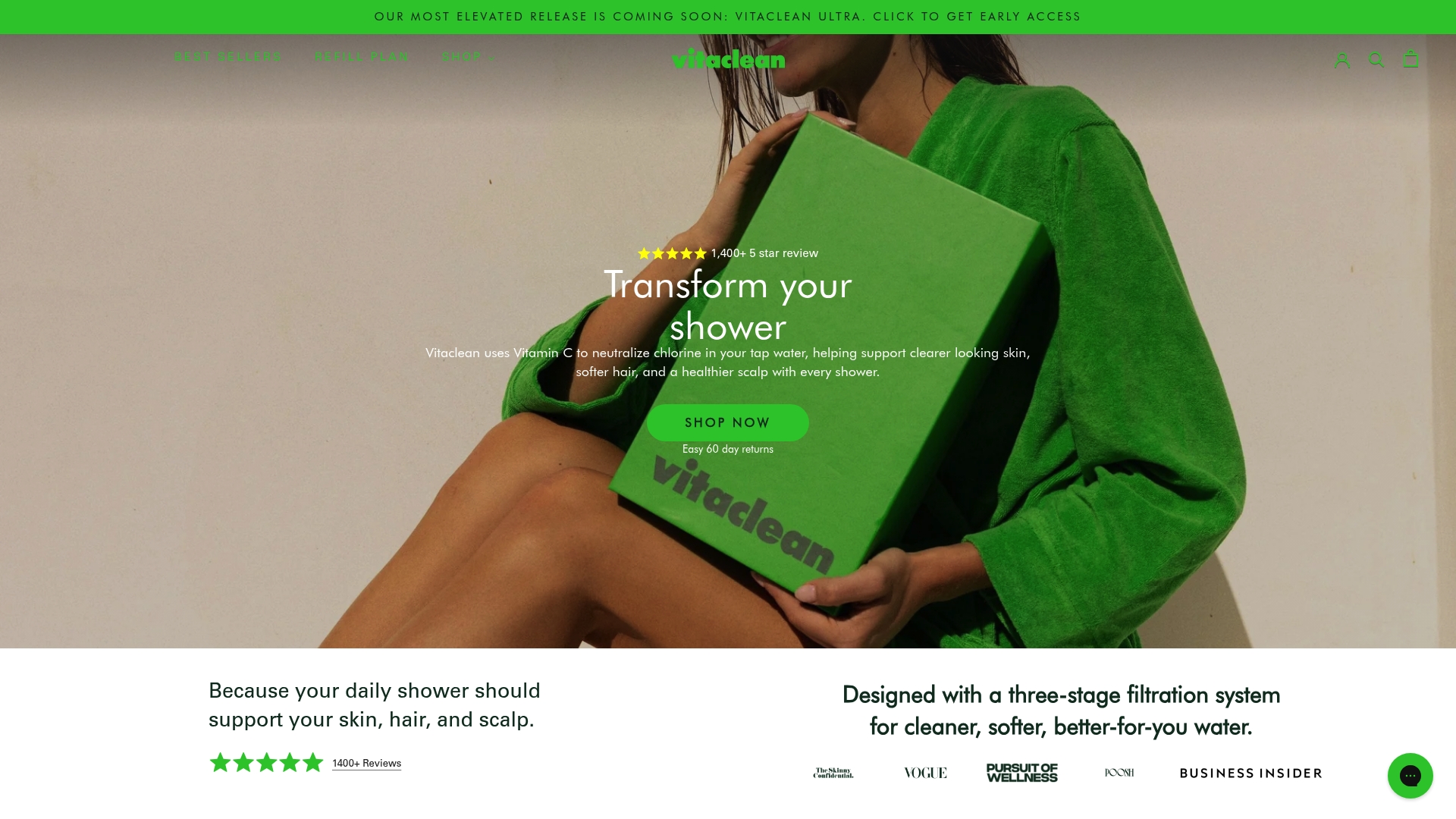
Vitacleanhq’s Vitamin C shower filter shots neutralize chlorine and impurities before water reaches your skin, turning every shower into a genuinely clean experience. For homeowners and renters who pair a rain head with a handheld unit, the handheld shower filter fits directly onto your existing setup without tools. A filter refill plan keeps your filtration consistent month after month. Browse the full range of shower accessories to complete your upgraded shower routine.
FAQ
What are the main benefits of a rain shower head?
Rain shower heads deliver even, full-body water coverage that reduces stress, supports skin hydration, and upgrades bathroom aesthetics. They are most effective when paired with adequate water pressure (40+ PSI) and a WaterSense certified flow rate.
Do rain shower heads use more water than standard heads?
The flow rate is similar at 2.0–2.5 GPM, but rain showers increase shower duration by 3–7 minutes on average, adding approximately 4,500 gallons per year. Choosing a WaterSense certified model offsets this increase.
What water pressure do I need for a rain shower head?
A minimum of 40 PSI is required for an 8-inch head, and larger 12-inch models need closer to 50 PSI. Below 40 PSI, the spray feels weak rather than immersive.
Are rain shower heads good for renters?
Wall-mounted rain shower heads thread onto standard shower arms without tools, making them a practical renter upgrade. Check your lease and confirm your building’s water pressure before purchasing.
Why pair a rain shower head with a handheld unit?
Rain heads provide broad coverage but slower rinsing. A handheld unit handles targeted hair rinsing and precision cleaning, giving you a complete shower system rather than a single-purpose fixture.