
How Filter Housing Shapes Your Home's Water Quality
TL;DR:
- Proper filter housing design, material, and maintenance are crucial for effective water filtration and system longevity.
- A sealed, pressure-rated housing prevents untreated water bypass, ensuring contaminants are properly filtered.
Filter housing is the structural backbone of any water filtration system, controlling pressure, sealing the filter cartridge, and ensuring water flows correctly through the filter media. Without a properly designed housing, even the highest-quality filter cartridge cannot do its job. The role of filter housing in water quality is far more significant than most homeowners realize. A failed seal, a cracked housing, or the wrong material can allow untreated water to bypass the filter entirely, delivering contaminated water straight to your tap. Understanding how housing design, materials, and maintenance affect your water is the first step toward a system that actually works.
How does filter housing design affect water filtration?
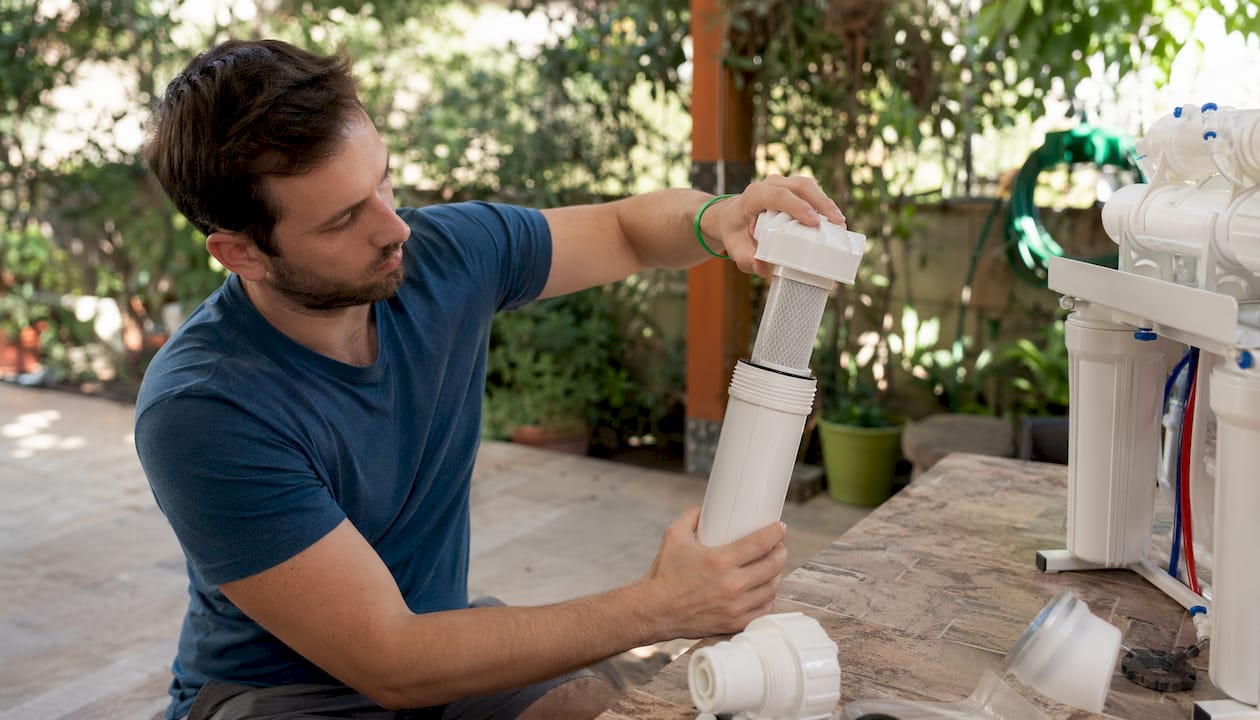
Filter housing design is the single most important factor in whether a filtration system performs reliably. The housing must act as a sealed, pressure-rated vessel that forces all water through the filter cartridge. Bypass caused by poor seals compromises filtration effectiveness regardless of how good the cartridge inside is. That means a cheap or poorly fitted housing can make an expensive filter cartridge completely useless.
Materials that make or break your system
The material of your filter housing directly affects how long it lasts and whether it leaches anything into your water. Food-grade polypropylene and reinforced nylon are the standard materials for residential housings, with a typical service life of 3–5 years. These materials resist chlorine and the chemical mix found in municipal water supplies, which is critical because a housing that degrades releases particles into the water you are trying to clean. Stainless steel housings offer greater durability for high-demand applications but cost significantly more.
Pressure ratings are equally important. Standard residential water pressure runs 40–80 PSI, and quality housings handle up to 125 PSI for added safety. A housing rated below your home’s actual water pressure will crack or leak under normal operating conditions. That is not a hypothetical risk. It is one of the most common causes of filter system failure in residential settings.
Key design features to look for in a filter housing:
- Pressure rating: Confirm the housing exceeds your home’s maximum water pressure.
- Material certification: Look for food-grade polypropylene or reinforced nylon with chemical resistance ratings.
- Port size: Larger ports (1-inch versus 3/4-inch) support higher flow rates with less pressure drop.
- Wall thickness: Thicker walls resist cracking under sustained pressure and temperature changes.
- Brass-reinforced ports: Brass-reinforced ports prevent thread stripping during repeated filter changes.
Pro Tip: Check your home’s water pressure with an inexpensive gauge before buying a housing. If your pressure exceeds 80 PSI, install a pressure regulator upstream to protect both the housing and your plumbing.
Why do filter housing seals matter so much?
The O-ring seal is the most failure-prone component in any filter housing, and its failure mode is subtle. O-ring leaks usually result from uneven compression caused by improper seating during installation, not from cartridge faults. This means a homeowner can replace a perfectly good cartridge multiple times trying to fix a leak that is actually caused by a misaligned O-ring. The water that bypasses a failed seal skips filtration entirely.
Maintaining seal integrity requires a straightforward routine:
- Inspect the O-ring at every filter change. Look for flat spots, cracks, or debris on the ring surface. A deformed O-ring cannot create an even seal.
- Clean the O-ring groove. Sediment and mineral deposits in the groove prevent the O-ring from seating correctly. Wipe the groove clean before reinstalling.
- Apply food-grade silicone lubricant. A thin coat of silicone lubricant on the O-ring reduces friction during installation and prevents flat spotting over time.
- Seat the O-ring evenly. Press it into the groove with your fingers all the way around before threading the housing closed.
- Depressurize before opening. Pressure release buttons prevent cracking by allowing you to release pressure before unscrewing the housing in systems up to 125 PSI. Skipping this step risks stripping threads and cracking the housing body.
The consequences of a compromised seal go beyond a wet cabinet under your sink. Untreated water bypassing the cartridge carries chlorine, sediment, and other contaminants directly into your supply line. For anyone using a shower filter for skin and hair, a failed housing seal means the filter provides no protection at all.
Pro Tip: Replace your O-ring every second filter change as a preventive measure, even if it looks fine. Silicone O-rings cost very little, and replacing them proactively is far cheaper than dealing with a leak-damaged cabinet or a failed housing.
Does filter housing sequence change water quality?
In multi-stage filtration systems, the order of filter housings is not optional. Sediment housings placed upstream protect carbon block housings downstream, which need sufficient contact time to remove chlorine effectively. Reversing this sequence causes the carbon filter to clog rapidly with sediment, reducing its chlorine removal capacity and driving up your maintenance costs.
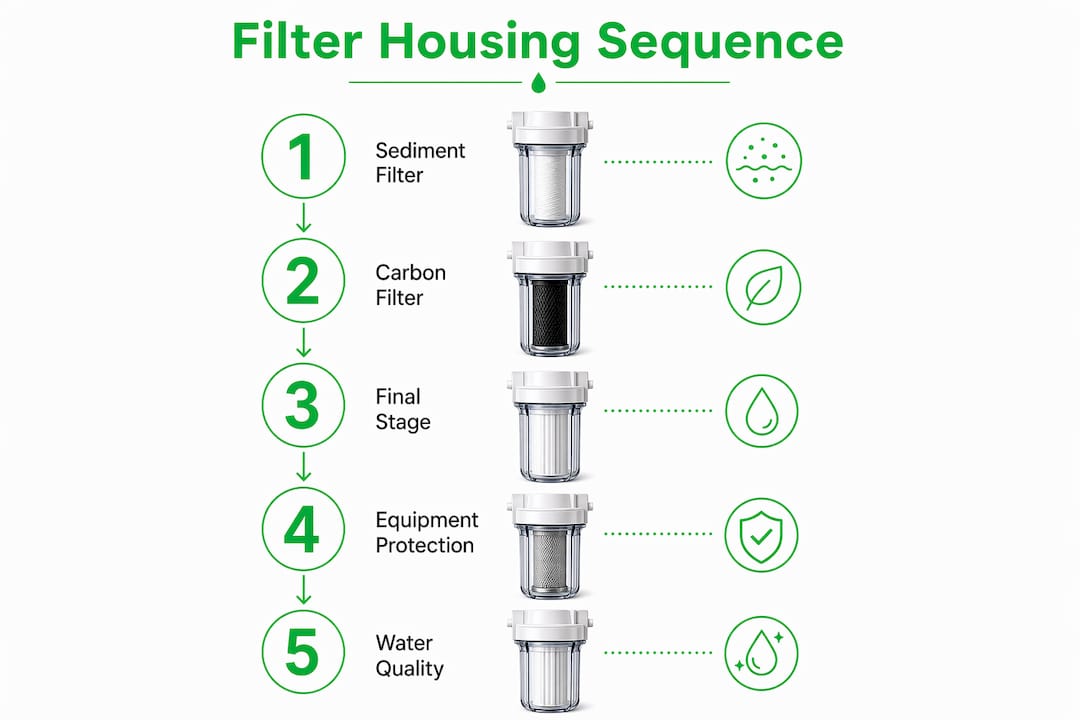
The table below shows how housing position affects function and filter life in a standard two-stage residential system.
| Housing position | Filter type | Primary function | Impact of wrong sequence |
|---|---|---|---|
| Upstream (first) | Sediment filter | Removes particles, sand, rust | Carbon filter clogs prematurely |
| Downstream (second) | Carbon block filter | Removes chlorine, odors, VOCs | Sediment overwhelms carbon media |
Optimal multi-stage performance also depends on matching housing size, flow rate, and micron rating to each stage. A housing that is too small for your flow rate creates a pressure drop that reduces contact time between water and filter media. Less contact time means less chlorine removal and less contaminant capture. For whole-house systems, a 4.5-inch by 10-inch housing is the common standard for the sediment stage, while carbon block stages often use the same size to maintain consistent pressure.
The housing also protects downstream equipment. Sediment housings intercept debris that would otherwise foul RO membranes or UV sterilizers, reducing maintenance frequency and extending the life of expensive system components. This protective function is one of the most underappreciated benefits of filter housings in advanced home water systems.
What are the best filter housing maintenance practices?
Consistent maintenance is what separates a filter housing that lasts 5 years from one that fails in 18 months. The interior of the housing accumulates biofilm, sediment, and mineral scale between filter changes. These deposits do not just sit there. They contaminate the fresh cartridge you install and reduce flow rates over time.
Practical maintenance steps that protect your system:
- Clean the housing interior at every filter change. Use a soft brush and a mild, food-safe cleaner to scrub the inside walls. Rinse thoroughly before reinstalling the cartridge.
- Monitor pressure differential, not just the calendar. EPA WaterSense guidance recommends pressure gauges and volume monitoring over calendar-based schedules. A pressure drop of 10–15 PSI across the housing signals a clogged cartridge that needs replacement.
- Check for micro-leaks at every inspection. Run your hand around the housing threads and O-ring area after restarting the system. A small drip that goes unnoticed can cause significant water damage over weeks.
- Replace the housing itself on schedule. Food-grade polypropylene housings have a typical service life of 3–5 years. After that point, the material can develop micro-cracks and lose chemical resistance.
- Use the pressure release button every time. Skipping depressurization before opening the housing is the leading cause of cracked housings and stripped threads in residential systems.
Good filter maintenance practices protect more than your equipment. They protect the water quality your household depends on every day. A housing that is clean, properly sealed, and operating within its pressure rating delivers consistent filtration performance from the first day to the last.
Key Takeaways
Filter housing quality directly determines whether your filtration system removes contaminants reliably, maintains pressure, and lasts its full service life.
| Point | Details |
|---|---|
| Housing is the system foundation | A poor housing allows untreated water to bypass the filter, making even premium cartridges ineffective. |
| Material and pressure rating matter | Use food-grade polypropylene or reinforced nylon rated above your home’s maximum water pressure. |
| O-ring seals require active maintenance | Inspect, clean, and lubricate O-rings at every filter change to prevent bypass leaks. |
| Sequence determines multi-stage performance | Always place sediment housings upstream of carbon block housings to prevent premature clogging. |
| Pressure monitoring beats calendar schedules | A 10–15 PSI pressure drop across the housing is a more reliable signal for filter replacement than a fixed date. |
What most homeowners get wrong about filter housing
Most people shopping for a water filtration system spend their research time on filter cartridges and almost none on the housing. I understand why. Cartridges have micron ratings, certifications, and contaminant removal claims that feel concrete and measurable. Housing is just the container, right?
Wrong. Housing quality affects contaminant removal reliability regardless of cartridge quality. I have seen homeowners install certified NSF-rated cartridges inside housings with worn O-rings and wonder why their water still smells like chlorine. The cartridge was fine. The housing was the problem.
The detail that surprises people most is how much pressure management matters in daily use. A housing without a pressure release button is not just inconvenient. It is a maintenance hazard. Over-torquing a pressurized housing during a filter change is how threads strip and housings crack. Once a housing cracks, the entire system is compromised. Spending a little more on a housing with a pressure release button and brass-reinforced ports pays for itself the first time you do a filter change without a fight.
The connection between housing integrity and skin and hair health is real, too. If you are investing in filter cartridges for your shower to reduce chlorine exposure, a leaking or bypassing housing means you are showering in unfiltered water. Better skin and hair hydration starts with a housing that actually seals. For anyone serious about water quality at home, the housing deserves as much attention as the cartridge inside it.
— Sara
Vitacleanhq’s approach to reliable shower filtration
Vitacleanhq builds its shower filtration products around the principle that the housing and the cartridge are equally important. A filter is only as good as the system holding it together.
Vitacleanhq’s Vitamin C shower filter shots are designed to work within housings that maintain consistent pressure and a secure seal, so the Vitamin C media actually contacts and neutralizes chlorine on every shower. The wall-mounted shower filter and handheld options both feature user-friendly designs that make filter changes straightforward, with no special tools required. For ongoing maintenance without the guesswork, the filter refill plan keeps replacement cartridges arriving on schedule so your housing never runs an expired filter.
FAQ
What does a filter housing actually do?
A filter housing is a sealed, pressure-rated vessel that holds the filter cartridge and forces all incoming water through the filter media. Without a properly sealed housing, water bypasses the cartridge and reaches your tap unfiltered.
How often should I replace my filter housing?
Filter housings made from food-grade polypropylene or reinforced nylon typically last 3–5 years under normal residential use. Replace the housing sooner if you notice cracks, persistent leaks, or discoloration of the housing material.
What causes leaks in a filter housing?
Most filter housing leaks result from O-ring misalignment or uneven compression, not from a faulty cartridge. Cleaning the O-ring groove, applying food-grade silicone lubricant, and seating the O-ring evenly before closing the housing resolves the majority of leak issues.
Does housing placement affect filtration quality?
Yes. In multi-stage systems, placing a sediment housing upstream of a carbon block housing protects the carbon media from premature clogging and allows sufficient contact time for chlorine removal. Reversing the order reduces filtration efficiency and shortens filter life.
Can a filter housing remove bacteria or viruses?
A filter housing alone does not remove microbiological contaminants. The cartridge inside the housing determines what is removed. For microbial reduction, the cartridge must be rated for that purpose, such as a ceramic or hollow-fiber membrane filter, and the housing must maintain a complete seal to prevent bypass.