
Hair care tips for hard water: Protect your scalp & shine
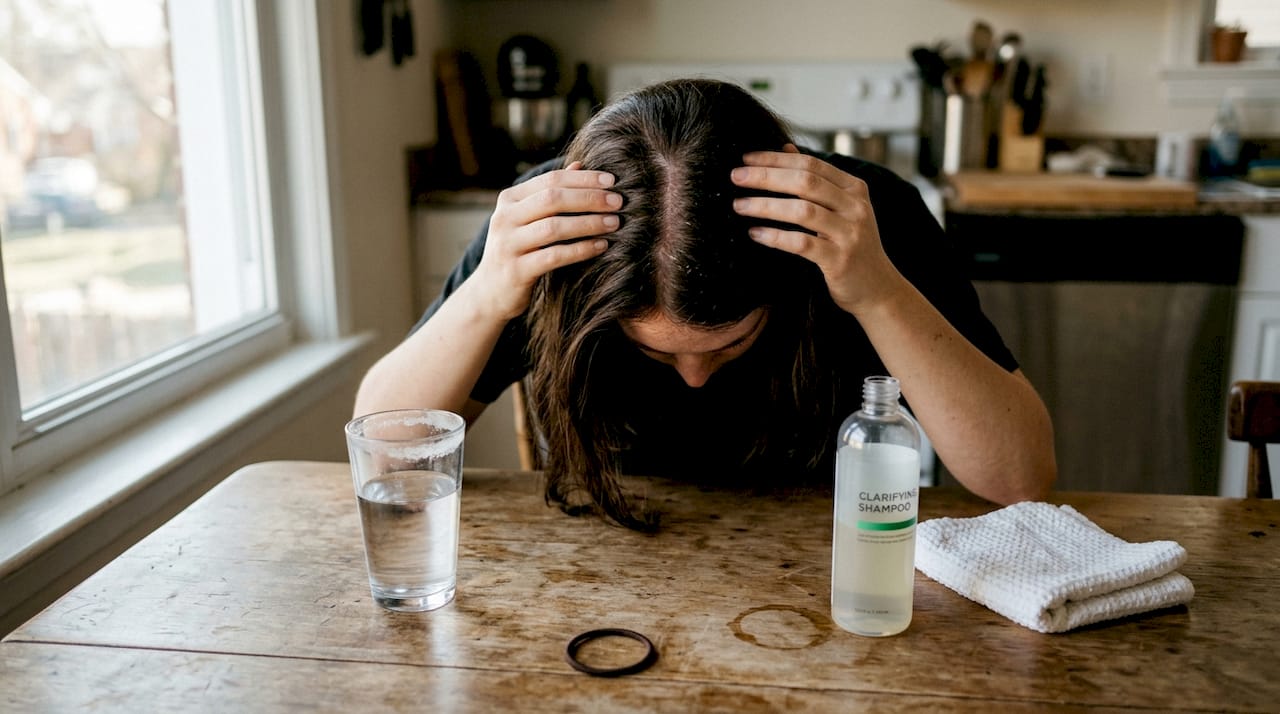
You wash your hair regularly, use quality products, yet it still feels dull, dry, and weighed down. The culprit might not be your routine but the water itself. Hard water affects over 85% of American homes, depositing minerals that coat your hair and scalp. While it won’t cause hair loss from the root, hard water increases breakage and scalp irritation, making strands appear thinner and lifeless. This guide delivers evidence-based strategies to combat mineral buildup, restore shine, and protect your scalp health.
Table of Contents
- How to identify hard water and its impact on hair
- Essential hair care tips for hard water areas
- Improving your water quality for healthier hair
- Comparing top solutions for hard water hair care
- Choosing the right hair care routine for your situation
- Hair care solutions for hard water: Vitaclean’s recommended products
- Frequently asked questions
Key Takeaways
| Point | Details |
|---|---|
| Surface effects matter most | Hard water affects hair and scalp mainly through mineral buildup, not structural damage. |
| Clarifying is essential | Use clarifying shampoos and deep conditioners regularly to fight buildup and dryness. |
| Water quality solutions help | Shower filters and water treatments can significantly reduce mineral exposure and improve hair health. |
| Routine matters | Tailor your hair care routine to your hair type, scalp condition, and local water quality for the best results. |
How to identify hard water and its impact on hair
Hard water contains elevated levels of calcium and magnesium minerals. You’ll notice telltale signs around your home: white spots on dishes, soap scum in the shower, or a filmy residue on faucets. When you wash your hair, these minerals don’t rinse away cleanly. Instead, they bond to your hair shaft and scalp, creating a coating that blocks moisture and weighs down strands.
This mineral buildup affects your hair in visible ways:
- Dull, lackluster appearance even after washing
- Difficulty lathering shampoo or rinsing conditioner
- Increased tangles and rough texture
- Scalp dryness, itching, or flaking
- Color-treated hair fading faster than expected
Research reveals an important distinction. While expert consensus and lab findings show surface effects dominate, the structural integrity of hair remains largely unchanged. Your hair doesn’t become weaker at its core, but the mineral coating creates friction, tangles, and breakage at the surface level.
“The minerals in hard water create a film on hair that prevents moisture penetration and causes mechanical damage through increased friction between strands.”
This surface damage matters because it affects how your hair looks and feels daily. The coating prevents your natural oils from distributing properly, leaving roots greasy while ends stay dry. Understanding this mechanism helps you target solutions effectively. For more details on how minerals interact with hair and skin, explore our guide on hard water effects on hair and review step-by-step hard water solutions for comprehensive strategies.
Essential hair care tips for hard water areas
Combating hard water requires adjusting your hair care routine to remove buildup and restore moisture balance. These strategies work together to minimize damage and improve hair health.
-
Use clarifying shampoos weekly. These formulas contain stronger surfactants that break down mineral deposits regular shampoos leave behind. Apply to wet hair, massage thoroughly into scalp and lengths, then rinse completely. Limit use to once or twice weekly to avoid stripping natural oils.
-
Deep condition after every clarifying treatment. Hard water and clarifying products both remove moisture. Follow up with a rich, hydrating mask containing ingredients like shea butter, argan oil, or keratin. Leave on for 5-10 minutes before rinsing with cool water to seal the cuticle.
-
Choose products formulated for hard water. Look for shampoos and conditioners labeled chelating or demineralizing. These contain ingredients like EDTA or citric acid that bind to minerals and help rinse them away. They work more effectively than standard formulas in mineral-heavy water.
-
Reduce heat styling frequency. Hard water increases breakage by making hair more fragile. Heat tools compound this damage. Air dry when possible, or use the lowest effective temperature setting with a heat protectant spray.
-
Apply leave-in treatments for ongoing protection. Lightweight serums or creams create a barrier between your hair and mineral-laden water. Focus on mid-lengths and ends where damage accumulates most. Reapply after each wash for consistent protection.
-
Rinse with filtered or distilled water as a final step. Keep a pitcher of filtered water in your shower for a final rinse after conditioning. This removes any remaining minerals and leaves hair noticeably softer and shinier.
Pro Tip: For stubborn buildup that clarifying shampoos can’t remove, try a chelating shampoo containing EDTA once monthly. These powerful formulas strip all residue but should be used sparingly to prevent over-drying.
Implementing even two or three of these techniques makes a noticeable difference. Start with clarifying treatments and deep conditioning, then add other strategies as needed. For additional guidance, check out easy hair care tips and hair protection tips tailored to hard water challenges.
Improving your water quality for healthier hair
While product adjustments help, treating the water itself provides the most comprehensive solution. Shower filters and water treatment systems reduce mineral exposure before it reaches your hair.
Shower filter options:
-
Vitamin C filters neutralize chlorine and some minerals through a chemical reaction. They’re affordable, easy to install, and require replacement every 2-3 months. Best for moderate hard water and chlorine concerns.
-
Ceramic filters use multiple filtration stages including activated carbon and ceramic balls to remove sediment, chlorine, and reduce mineral content. They last 6-12 months and handle heavier mineral loads effectively.
-
KDF filters use copper-zinc media to remove chlorine, heavy metals, and inhibit bacteria growth. They work well in hot water and last longer than carbon filters, making them cost-effective for long-term use.
Water softening strategies:
-
Whole-house water softeners use ion exchange to replace calcium and magnesium with sodium. They provide the most complete solution but require professional installation, ongoing salt additions, and higher upfront costs.
-
Shower-specific softeners attach directly to your shower arm and use similar ion exchange technology on a smaller scale. They’re more affordable and renter-friendly but need more frequent regeneration.
-
Descaling systems use electromagnetic or catalytic technology to alter mineral structure so they don’t bond to surfaces. They don’t remove minerals but prevent buildup. Effectiveness varies by water chemistry.
Research shows an important caveat. While hair elasticity and strength remain unchanged with hard water exposure, the surface effects like buildup, dullness, and friction are where filtration makes the biggest impact. You’re not strengthening hair structurally, but you’re eliminating the coating that causes daily frustration.
Key statistic: Studies measuring tensile strength found no significant difference between hair washed in hard versus soft water, but surface smoothness and shine improved dramatically with filtered water.
Improved water quality supports scalp health too. Mineral buildup on the scalp can clog follicles, increase irritation, and worsen conditions like dandruff or seborrheic dermatitis. Cleaner water means a healthier environment for hair growth. Explore our water solutions checklist and learn how to address hard water issues systematically for lasting results.
Comparing top solutions for hard water hair care
Each approach offers distinct benefits. This comparison helps you choose based on your priorities, budget, and hair needs.
| Solution | Effectiveness | Cost | Maintenance | Best For |
|---|---|---|---|---|
| Clarifying shampoo | Moderate | $10-25 | Weekly use | Mild to moderate buildup |
| Chelating shampoo | High | $15-30 | Monthly use | Heavy mineral deposits |
| Leave-in treatments | Moderate | $12-35 | After each wash | Ongoing protection |
| Shower filter (Vitamin C) | High | $25-50 | Every 2-3 months | Chlorine and light minerals |
| Shower filter (Ceramic) | Very high | $40-80 | Every 6-12 months | Heavy minerals and sediment |
| Whole-house softener | Very high | $400-2500 | Monthly salt refills | Complete home solution |
Pros and cons summary:
-
Product-based solutions offer immediate results and low upfront costs but require ongoing purchases and don’t address the root cause. They work well for renters or those testing solutions before bigger investments.
-
Shower filters provide excellent value by treating water at the source. Installation takes minutes, and they benefit skin and hair simultaneously. Replacement costs are predictable and manageable.
-
Whole-house systems deliver the most comprehensive results but involve significant expense and permanent installation. They make sense for homeowners committed to long-term water quality improvement.
Pro Tip: Combine a shower filter with clarifying treatments for optimal results. The filter reduces daily mineral exposure while periodic clarifying removes any remaining buildup. This dual approach costs less than whole-house softening while delivering comparable hair benefits.
Anecdotal evidence and user reports consistently show surface improvements matter most for daily satisfaction, even when structural hair metrics remain stable. Focus your investment where you’ll notice the biggest difference: reducing the mineral coating that affects appearance and manageability. For specialized needs, review our guide on hard water care for curly hair for texture-specific strategies.
Choosing the right hair care routine for your situation
Your ideal routine depends on hair type, scalp condition, local water hardness, and budget. Follow this framework to build a customized approach.
-
Assess your water quality. Purchase an inexpensive water hardness test kit or check your municipal water report online. Levels above 120 mg/L (7 grains per gallon) indicate hard water requiring intervention.
-
Evaluate your hair and scalp. Note specific concerns: Is your scalp itchy or flaky? Does hair feel coated or look dull? Do you have color-treated or chemically processed hair? These factors influence product selection.
-
Start with targeted products. Begin with a clarifying shampoo and deep conditioner suited to your hair type. Fine hair needs lightweight formulas, while thick or curly hair benefits from richer treatments.
-
Add a shower filter within 30 days. If product changes alone don’t resolve issues, install a filter. This single upgrade often eliminates the need for multiple specialized products.
-
Monitor results and adjust. Give each change 2-3 weeks before evaluating effectiveness. Hair responds gradually, and you need time to see cumulative benefits.
-
Scale up if needed. If shower filters and products don’t fully resolve concerns, consider whole-house softening. This makes sense when multiple household members struggle with hard water effects on hair and skin.
Routine recommendations by situation:
-
Fine or oily hair: Use lightweight clarifying shampoo weekly, skip heavy conditioners on roots, install a vitamin C filter for chlorine removal without adding weight.
-
Curly or textured hair: Deep condition after every wash, use leave-in treatments for moisture retention, choose ceramic filters that remove minerals while preserving beneficial moisture.
-
Color-treated hair: Minimize clarifying to every 10-14 days, use color-safe chelating formulas, install filters to prevent mineral deposits that cause fading and brassiness.
-
Sensitive scalp: Avoid harsh clarifying agents, use gentle chelating shampoos with soothing ingredients like aloe, prioritize filtration to reduce irritants at the source.
Remember that hard water doesn’t cause follicular hair loss but increases surface breakage. Your routine should focus on minimizing friction and maintaining moisture balance rather than treating hair loss specifically. For quick wins, explore easy shower fixes that deliver immediate improvements.
Hair care solutions for hard water: Vitaclean’s recommended products
Transforming your shower water quality doesn’t require complex installations or expensive plumbing work. Vitaclean’s filtration systems attach directly to your existing shower in minutes, delivering spa-quality water that protects your hair and scalp from mineral damage.
Our vitamin C shower filter shots neutralize chlorine and reduce mineral buildup through a simple chemical reaction. Each shot lasts 2-3 months and installs without tools. For heavier mineral content, our ceramic filters use multi-stage filtration to remove sediment, chlorine, and hard water minerals while lasting 6-12 months.
Maintaining your filter is effortless with our filter refill plan. We ship replacement filters on your schedule, ensuring you never shower in unfiltered water. Subscribers save 15% on every order and can adjust delivery timing anytime.
Whether you’re battling dull hair, scalp irritation, or simply want healthier shower water, Vitaclean provides the solution. Thousands of customers report softer hair, reduced breakage, and improved scalp comfort within weeks of installation. Upgrade your shower today and experience the difference filtered water makes.
Frequently asked questions
Does hard water cause hair loss?
Hard water doesn’t cause hair loss from follicles but increases breakage and scalp irritation, making hair appear thinner. The minerals create surface damage, not follicular damage.
How can I make my shower water safer for my hair?
Install a shower filter designed for hard water and use clarifying shampoos to minimize buildup. Filters address surface effects by removing minerals before they coat your hair.
What are signs I have hard water at home?
Look for spots on dishes, soap scum in sinks, or dull, dry hair after washing. Mineral buildup appears on fixtures, skin, and hair as visible residue.
Should I change my shampoo if I have hard water?
Switch to clarifying or chelating shampoos to better remove mineral deposits and maintain scalp health. These products target the specific residue hard water leaves behind.
How often should I use clarifying shampoo?
Use clarifying shampoo once or twice weekly for moderate buildup, or monthly for chelating formulas. Overuse strips natural oils and causes dryness.
Recommended
- Hard Water & Hair: The Effects + 3 Easy Hair Care Tips To Help
- Can Hard Water Cause Hair Loss? Facts, Risks & Hair Protection Tips
- Solve hard water step by step: healthier skin & hair
- Hard water is damaging your hair condition
- How to Maintain Virgin Hair Bundles Naturally for Shine – Gaurash Beauty Supply