
Antioxidant Water Shower Benefits for Skin and Wellness
Antioxidant water showers deliver real, measurable improvements to skin hydration, hair texture, and overall wellness by neutralizing chlorine, reducing oxidative stress, and triggering beneficial physiological responses. The core mechanism is straightforward: Vitamin C filtration converts chlorine and chloramine into harmless compounds, while cold water exposure activates your body’s own antioxidant systems. Here is what you get when both work together:
- Skin hydration: Removing chlorine and chloramine reduces skin dryness and irritation, helping your skin retain moisture after every shower.
- Oxidative stress reduction: Antioxidant water lowers the oxidation-reduction potential (ORP) of shower water, protecting skin cells from free radical damage.
- Circulation boost: Cold water exposure causes blood vessels to contract and then dilate, pushing fresh, oxygenated blood to the skin’s surface.
- Immune support: Regular cold exposure activates the sympathetic nervous system and supports white blood cell activity.
- Metabolism lift: Cold showers stimulate thermogenesis, prompting your body to generate heat and burn more energy.
- Hair and scalp health: Neutralizing chlorine preserves the hair’s natural lipid layer, reducing brittleness and scalp irritation.
- Mood improvement: Cold water triggers endorphin release and lowers cortisol, leaving you calmer and more alert.
What cold showers actually do to your body
Cold showers do more than wake you up. The physiological effects are well-documented and span mood, immunity, circulation, and recovery.
-
Mood and stress relief. Cold exposure boosts endorphins and lowers cortisol, producing a measurable lift in mood and a reduction in perceived stress. People who shower cold regularly often report feeling more alert and less anxious throughout the day.
-
Immune system activation. Cold water activates the sympathetic nervous system, which in turn increases white blood cell production. Over time, regular cold exposure correlates with improved immune resilience and lower rates of minor illness.
-
Glutathione production. Cold exposure stimulates your body to produce more glutathione, the master antioxidant that neutralizes free radicals and supports cellular repair. This internal antioxidant boost compounds the external protection that antioxidant shower water provides.
-
Faster muscle recovery. Cold water reduces inflammation and soreness by constricting blood vessels and flushing out metabolic waste. Athletes have used cold hydrotherapy for decades for exactly this reason.
-
Metabolism acceleration. Cold showers activate brown adipose tissue, the type of fat that burns calories to generate heat. The effect is modest but real, and it compounds with consistent daily practice.
-
Skin tightening and reduced redness. Cold water causes temporary vasoconstriction, which tightens pores and reduces the flushed appearance that hot water often leaves behind. People with rosacea or reactive skin frequently find cold finishes more comfortable than hot showers alone.
How antioxidant water protects your skin and hair
Antioxidant water is water with a low ORP, meaning it has a surplus of electrons available to neutralize free radicals rather than contribute to oxidative damage. In shower applications, this is achieved primarily through Vitamin C infusion and, in some systems, molecular hydrogen.
Vitamin C and chlorine neutralization
Vitamin C acts as a reducing agent, converting chlorine and chloramine into harmless compounds on contact. This matters because chlorine is not just a disinfectant. It strips the skin’s natural oils, disrupts the microbiome, and degrades the lipid barrier that keeps moisture in. Removing it at the point of contact means your skin never has to deal with the chemical in the first place.
- Softer skin texture within days of switching to a Vitamin C filter
- Reduced scalp irritation and less post-shower itching
- Improved hair shine as the cuticle layer stays intact rather than being roughened by chlorine exposure
- Collagen synthesis support, since Vitamin C is a cofactor in collagen production, contributing to skin firmness and elasticity
Molecular hydrogen and ORP
Molecular hydrogen (H₂) is one of the smallest antioxidant molecules known. Because of its size, it penetrates cell membranes easily and selectively neutralizes the most damaging free radicals, particularly hydroxyl radicals, without disrupting beneficial reactive oxygen species that the body uses for signaling. Shower water enriched with molecular hydrogen carries a negative ORP, meaning it actively donates electrons to oxidized tissue rather than pulling them away. The practical result is less oxidative damage to skin cells during and after washing.
What this means for hair
Chlorine-free, antioxidant-rich water preserves the hair’s natural lipid layer. You can see the difference in shower water contaminants’ effects on hair texture: unfiltered tap water leaves hair porous and prone to breakage, while filtered water keeps the cuticle smooth and the strand stronger.

Practical tips for setting up an antioxidant shower routine
Getting the setup right matters more than most people realize. A filter that looks the part but lacks proper certification may do almost nothing.
- Choose NSF/ANSI 177 certified filters. The NSF/ANSI 177 standard specifically tests shower filters for chlorine reduction. Uncertified filters, including many sold with vague “antioxidant” claims, are not independently verified. Certification is the only reliable signal that the filter performs as advertised.
- Prioritize multi-stage filtration. Activated carbon combined with Vitamin C infusion removes a broader range of contaminants than single-stage filters. Multi-stage systems are the standard recommendation for anyone with sensitive skin or hard water.
- Start cold showers gradually. Begin with your normal warm temperature and drop it by a few degrees each day. Jumping straight to cold can cause involuntary gasping and stress the cardiovascular system, especially for people with heart conditions.
- Keep cold exposure to 2–5 minutes. Short, consistent sessions produce the immune and mood benefits without the risk of hypothermia or skin irritation from prolonged cold.
- Replace filter cartridges on schedule. A saturated Vitamin C filter stops neutralizing chlorine. Vitacleanhq’s filter refill subscription keeps replacement automatic so you never unknowingly shower through a spent cartridge.
- Finish hot showers with a cold rinse. If a full cold shower feels like too much, a 60-second cold finish still delivers circulation and skin-tightening benefits.
Pro Tip: End every shower with 30–60 seconds of the coldest water you can tolerate, then apply a moisturizer immediately while skin is still slightly damp. The cold closes pores and the moisturizer locks in hydration before the barrier fully reseals.
What the science says about antioxidant shower water
The research base for antioxidant water and cold shower benefits is growing, and the findings are consistent enough to take seriously. Studies published in peer-reviewed journals have examined both the biochemical effects of antioxidant water on skin tissue and the physiological responses to cold hydrotherapy.
Research indexed on PubMed Central confirms that oxidative stress is a primary driver of skin aging, barrier dysfunction, and inflammatory skin conditions. Reducing oxidative load at the skin’s surface, whether through topical antioxidants or antioxidant-enriched water, measurably slows these processes. Separately, published research on cold water immersion documents increases in norepinephrine, a neurotransmitter tied to alertness and mood regulation, following cold exposure. Dermatologists consistently point to chlorine as a trigger for eczema flares and contact dermatitis, making shower filters for sensitive skin a clinically relevant recommendation rather than a wellness trend.
Antioxidant showers vs. regular showers: what changes
The difference between an antioxidant shower and a standard tap water shower comes down to what your skin and hair are exposed to for those 8–10 minutes every day.
| Factor | Regular shower | Antioxidant shower |
|---|---|---|
| Chlorine exposure | High | Neutralized by Vitamin C |
| ORP of water | Positive (oxidizing) | Negative or near-zero (antioxidant) |
| Skin moisture retention | Often reduced post-shower | Maintained or improved |
| Hair cuticle integrity | Roughened by chemical exposure | Preserved |
| Scalp irritation risk | Elevated with hard/chlorinated water | Reduced |
Over weeks and months, the cumulative difference in chemical exposure adds up. People who invest in water filtration typically report softer skin, less scalp flaking, and noticeably shinier hair, not because of any single shower but because the daily chemical burden on their skin has been removed.
How to get antioxidant water in your shower
The most practical route is a Vitamin C shower filter, either wall-mounted or handheld, installed directly on your existing showerhead. No plumbing work is required for most models.
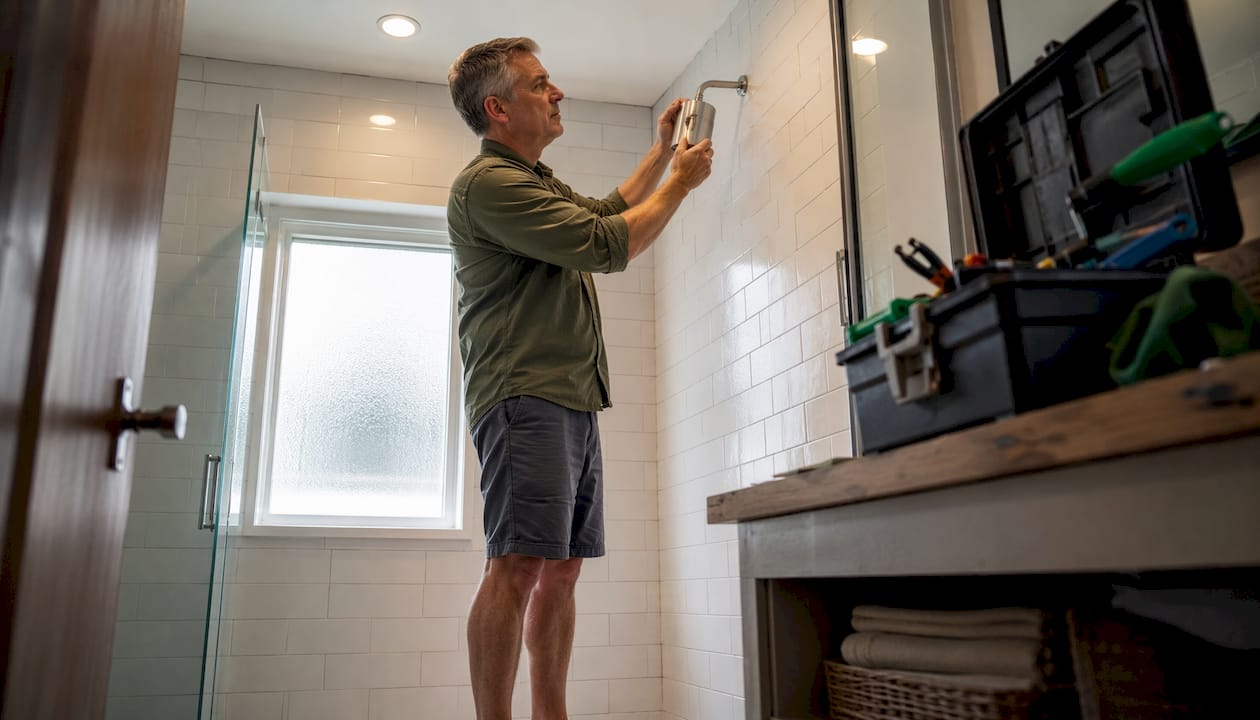
Vitacleanhq’s Vitamin C shower filter shots are designed to slot into compatible handheld and wall-mounted systems, releasing a controlled dose of ascorbic acid with each shower. The handheld format is particularly useful for renters who cannot modify fixed plumbing. For a more advanced setup, multi-stage systems that combine activated carbon with Vitamin C infusion handle both chlorine and heavier contaminants like sediment and heavy metals. Whatever system you choose, confirm it carries NSF/ANSI 177 certification before buying. That certification is the only independent verification that the filter actually reduces chlorine at shower flow rates.
Combining antioxidant water with cold showers for maximum effect
Antioxidant water and cold showers work through different mechanisms, which means they complement rather than duplicate each other. Cold water activates your body’s internal antioxidant production, particularly glutathione, while Vitamin C-filtered water reduces the external oxidative load your skin faces. Used together, you get both an inside-out and outside-in antioxidant effect.
The interaction also matters for skin barrier function. Hot water opens pores and temporarily weakens the lipid barrier. Finishing with cold water closes pores and firms the skin, while the antioxidant water ensures that the last thing your skin contacts is free of chlorine and oxidizing compounds. The result is a barrier that closes in a cleaner state than a standard hot shower leaves it. For anyone dealing with antioxidants’ effects on skin and hair, this combination addresses the problem from both directions simultaneously.
Key Takeaways
Antioxidant water showers, especially when paired with cold exposure, reduce oxidative stress from both inside and outside the body, making them one of the most practical daily upgrades for skin and hair health.
| Point | Details |
|---|---|
| Vitamin C neutralizes chlorine | Ascorbic acid converts chlorine and chloramine to harmless compounds, reducing skin dryness and hair damage. |
| Cold showers boost internal antioxidants | Cold exposure stimulates glutathione production, adding an internal antioxidant effect that complements filtered water. |
| NSF/ANSI 177 certification matters | Only certified filters are independently verified to reduce chlorine at shower flow rates; uncertified products may not perform as claimed. |
| Combined approach targets skin from both directions | Antioxidant water reduces external oxidative load while cold water activates the body’s own repair systems. |
| Gradual cold exposure is safer and more sustainable | Starting warm and progressively lowering temperature avoids cardiovascular stress and makes the habit easier to maintain. |