
Tips for Healthier Hair Routines That Actually Work
TL;DR:
- Healthy hair routines are rooted in understanding your hair and scalp needs rather than using more products or following celebrity regimens.
- Proper techniques like cleansing only at the roots, detangling gently from ends, and protecting hair from heat damage are essential for long-term health.
Most people have tried at least a dozen hair care tips that promised results and delivered frustration instead. The problem is not a lack of effort. It is a lack of a system. Real tips for healthier hair routines are not about buying more products or following a celebrity’s 12-step regimen. They are about understanding what your hair actually needs, then building a repeatable process around that. This article cuts through the noise with research-backed, practical guidance you can start using today.
Table of Contents
- Key takeaways
- 1. Start with understanding your hair type and scalp
- 2. Master proper cleansing technique
- 3. Detangle without the damage
- 4. Dry your hair the right way
- 5. Protect your hair from heat damage
- 6. Build a nourishing scalp care practice
- 7. Build the routine around feedback, not products
- My honest take on building a routine that sticks
- Start your routine with better water
- FAQ
Key takeaways
| Point | Details |
|---|---|
| Match routine to hair type | Washing frequency and product choices should reflect your scalp’s oil production and hair texture. |
| Cleanse scalp, condition ends | Shampoo belongs at the roots; conditioner belongs on mid-lengths to ends, not the scalp. |
| Handle hair gently every day | Detangling from ends up, blotting dry, and avoiding tight styles prevents most mechanical breakage. |
| Limit heat and protect first | Applying heat protectant and capping tool temperature based on hair condition reduces long-term damage. |
| Scalp health drives hair health | Regular massages, light exfoliation, and deep conditioning build thickness and shine over time. |
1. Start with understanding your hair type and scalp
Before you change a single product or habit, you need an honest assessment of what you are working with. Hair type covers texture (straight, wavy, curly, coily) and thickness (fine, medium, coarse). Scalp type is a separate variable entirely, and it matters just as much.
Your scalp’s oil production determines how often you actually need to wash. Washing frequency varies significantly: dry or curly hair typically needs cleansing once or twice a week, balanced scalps every two to three days, and oily or fine hair potentially daily or every other day. There is no universal rule, and following the wrong one is one of the most common reasons routines fail.
Here is a quick way to assess your scalp type: go two days without washing and check how your roots look and feel by day two. Visibly greasy roots mean an oily scalp. Tight, itchy, or flaky skin suggests dryness or sensitivity. Comfortable roots with minimal shine indicate a balanced scalp.
- Dry or coily hair needs more moisture and less frequent cleansing
- Fine or oily hair benefits from lighter products and more frequent washing
- Sensitive scalps respond better to fragrance-free, sulfate-free formulas
- Color-treated hair requires gentler cleansers to preserve pigment and reduce protein loss
Pro Tip: Oil production is genetically and hormonally driven, not something you can “train” by stretching washes. If your scalp overproduces oil, skipping washes will not fix it long term.
2. Master proper cleansing technique
Most people shampoo the wrong way. They pile hair on top of their head, scrub everything, and rinse. That approach strips the ends, irritates the scalp, and leaves residue in the wrong places.
The right method is straightforward. Apply shampoo only to your scalp and roots. Use your fingertips (not nails) to massage in circular motions. Let the suds rinse through the lengths as the water runs down. That is enough cleansing for the mid-lengths and ends without over-drying them. A double wash method works well if you use a lot of styling products: use a small amount on the first pass to break down buildup, then a normal amount on the second pass for a thorough clean.
- Wet hair fully with warm water before applying any product
- Apply a small amount of shampoo to the scalp and massage gently for 60 seconds
- Rinse thoroughly, then apply conditioner from mid-lengths to ends only
- Leave conditioner on for three to five minutes before rinsing with cool water
That last step matters more than most people realize. A cool water rinse smooths the outer hair cuticle, which reduces frizz and adds visible shine. It takes five seconds and makes a real difference.
For dry or textured hair, co-washing (using conditioner only, skipping shampoo) can help maintain moisture. Just know that co-washing can cause buildup if not managed properly, and it is not a good fit for scalps prone to dandruff or heavy residue. If you co-wash regularly, use a clarifying shampoo once every two to four weeks to reset.
Pro Tip: Sulfate-free shampoos are gentler but may not remove heavy product buildup as effectively. If your hair feels weighed down after a few weeks of sulfate-free use, a single clarifying wash can restore bounce without switching formulas permanently.
3. Detangle without the damage
Wet hair is at its most fragile. The protein bonds that give hair its strength are temporarily weakened when saturated, which means rough handling during detangling causes far more breakage than most people expect.
The fix is simple but requires patience. Start detangling at the ends and work upward in small sections. A wide-tooth comb or a detangling brush is far less damaging than a fine-tooth comb or a paddle brush on wet hair. A detangling spray or leave-in conditioner reduces friction and makes the process faster.
- Never start at the roots and drag downward
- Section thick or curly hair before combing to reduce tension
- Work through knots with your fingers first before introducing a comb
- Avoid detangling completely dry hair unless you are using a product designed for it
Check out hair rescue solutions for type-specific detangling product recommendations that work across textures.
4. Dry your hair the right way
The way you dry your hair after washing is one of the most overlooked parts of a step by step cleaner hair routine. Most people grab the nearest towel and rub vigorously. That friction roughens the cuticle, causes frizz, and contributes directly to breakage over time.
Use a microfiber towel or a soft cotton t-shirt instead. Press and squeeze sections of hair gently rather than rubbing. Microfiber absorbs water faster and creates far less friction than standard terry cloth. If you air dry, loosely clip or twist sections to keep hair from tangling while it dries.

Dry shampoo is useful for extending time between washes, but relying on it daily creates a different problem. Product residue accumulates at the scalp, which can clog follicles and irritate sensitive skin. Use it as a bridge, not a substitute for washing.
5. Protect your hair from heat damage
Heat styling is one of the biggest contributors to long-term hair damage, and the solution is not to stop styling. It is to style smarter.
Limit heat styling to two or three times per week and always apply a heat protectant spray before any tool touches your hair. The protectant creates a barrier between the heat source and the hair shaft. Skipping it because your hair “looks fine” is like skipping sunscreen because it is not a sunny day.
- Fine or damaged hair: keep tools below 300°F
- Thick or coarse hair: up to 350 to 400°F is generally safe
- Keep tools moving constantly to avoid concentrating heat in one spot
- Never use heat on soaking wet hair; let it reach about 80% dry first
Newer styling tools with ionic or infrared technology from the last five years cause significantly less damage than older high-heat devices. If your flat iron or dryer is more than five years old, upgrading is one of the most impactful changes you can make. For days when you want to skip heat entirely, braids, twist-outs, and roller sets are genuinely effective alternatives. For additional guidance on protecting hair from environmental heat, the Vitacleanhq article on protecting hair from sun covers outdoor exposure in depth.
Pro Tip: Heat damage prevention is about temperature control and tool movement, not just the protectant spray. Holding a flat iron on one section for too long causes localized damage even with protectant applied.
6. Build a nourishing scalp care practice
A healthy scalp is the foundation of a nourishing hair regimen, and it gets far less attention than the hair itself. Your scalp is skin. It needs circulation, cleansing, and hydration just like the skin on your face.
Scalp massages improve circulation and may contribute to fuller-looking hair over time. Five to ten minutes during shampooing or with a dry scalp oil is enough. You can also learn more about scalp massage benefits and how to incorporate them into a weekly routine. Gentle exfoliation once a week removes dead skin cells and product buildup that regular shampoo cannot address. Look for products containing AHA or salicylic acid for scalp use, especially if you have flaking or persistent itchiness. Research on scalp exfoliation benefits shows real improvements in scalp clarity and hair texture with consistent use.
Here is how these advanced steps compare in terms of effort and payoff:
| Practice | Frequency | Primary benefit |
|---|---|---|
| Scalp massage | Daily or during washing | Improved circulation, stress relief |
| Scalp exfoliation | Once per week | Removes buildup, reduces flaking |
| Deep conditioning mask | Once per week | Restores moisture, improves softness |
| Protein treatment | Every 4 to 6 weeks | Strengthens fragile or chemically treated hair |
| Trim | Every 6 to 8 weeks | Removes split ends, prevents breakage |
Routine trims every six to eight weeks prevent split ends from traveling up the hair shaft and causing larger breaks. If you are growing your hair out, this feels counterintuitive. But removing a quarter inch every two months is far better than losing two inches to breakage later.
For aging or more fragile hair, gentle exfoliation with AHA or salicylic acid once a week, combined with deep hydration, is the most protective approach. Older hair has less natural oil production and thinner strands, so the routine needs to shift toward moisture retention and reduced manipulation. Check the Vitacleanhq guide on scalp hydration for more on keeping the scalp moisturized year-round.
7. Build the routine around feedback, not products
The most sustainable step by step healthier hair routine is one you can actually follow. That means choosing a limited number of adaptable steps rather than a long list of products you cycle through without knowing what is working.
A well-designed routine focuses on cleansing, conditioning, and protecting, with adjustments made weekly based on how your hair responds. If your hair feels dry after washing, add more conditioner or reduce washing frequency. If it feels weighed down, simplify your product lineup. The routine should respond to your hair, not the other way around.
Hair thickness and health improvements happen gradually through reduced breakage and better scalp health. There is no product that delivers results in a week. Consistency over two to three months is what actually moves the needle.
My honest take on building a routine that sticks
I have seen a lot of people overhaul their entire hair care routine at once, buy fifteen new products, and burn out within a month. The routines that actually produce results are the ones built slowly and adjusted honestly.
What I have learned is that consistency beats intensity every time. You do not need a 10-step nourishing hair regimen. You need three to four steps you will actually do every wash day. Start there, then layer in things like scalp exfoliation or protein treatments once the basics feel automatic.
Seasonality matters too. My hair behaves completely differently in winter than in summer. Dry, heated indoor air calls for heavier conditioning and less frequent washing. Humid summers sometimes mean lighter products and more frequent cleansing. Adjusting your routine by season is not overthinking it. It is just paying attention.
The myth I keep seeing is that you can “train” your scalp to produce less oil by washing less. Oil production is hormonal and genetic, not behavioral. If you have an oily scalp, stretching washes will not change that. It will just make you uncomfortable. Wash when your scalp needs it, and let go of the guilt.
— Sara
Start your routine with better water
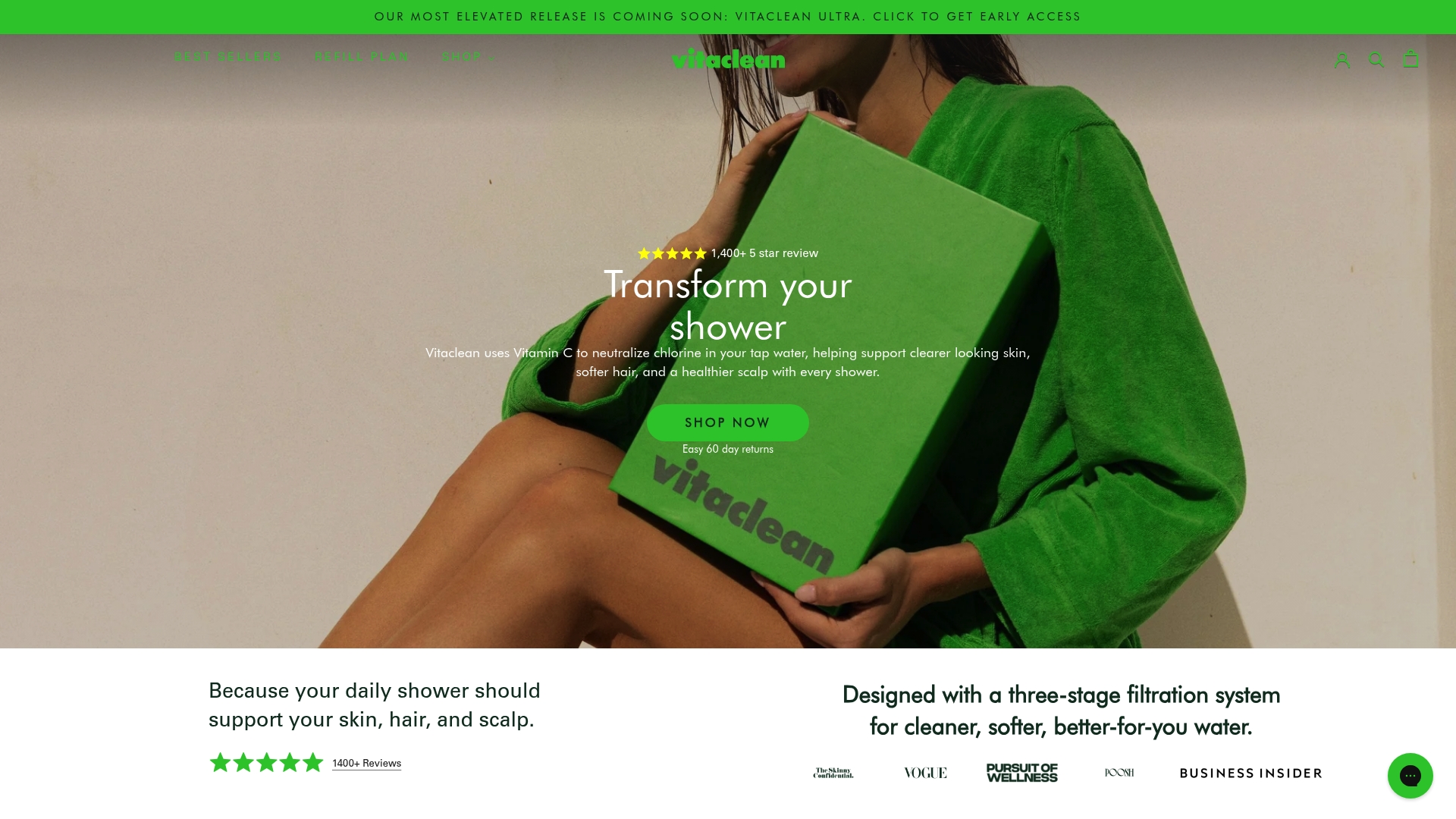
Everything you do in the shower depends on the water itself. Chlorine and hard water minerals are invisible, but they strip moisture from hair and irritate the scalp with every wash. Vitacleanhq’s Vitamin C shower filter shots neutralize chlorine and reduce impurities before water ever reaches your hair. For mineral-heavy tap water, the ceramic shower filter removes the contaminants that cause dryness and dullness over time. If you are putting effort into a healthier hair routine, the quality of your shower water is worth addressing at the source. Vitacleanhq makes it easy to install and maintain, with filter replacements available on a subscription so you never have to think about it.
FAQ
How often should I wash my hair?
Washing frequency depends on your scalp type. Oily or fine hair may need daily or every-other-day washing, while dry or curly hair typically does well with one to two washes per week.
What is the right way to apply conditioner?
Apply conditioner from mid-lengths to ends only, avoiding the scalp. Leave it on for three to five minutes, then rinse with cool water to seal the cuticle and reduce frizz.
How can I reduce heat damage without giving up styling?
Limit heat tools to two to three times per week, always apply a heat protectant first, and match the temperature to your hair type. Fine hair should stay below 300°F; coarse hair can tolerate up to 400°F.
Does scalp massage actually help hair growth?
Regular scalp massages improve circulation and may support fuller-looking hair over time. Five to ten minutes during shampooing or with a scalp oil is enough to see gradual results.
Why does my hair still feel dry even after conditioning?
Hard water minerals and chlorine in tap water can counteract conditioning products by coating the hair shaft. Filtering your shower water to remove these impurities often improves how well your products actually perform.