
How to Reduce Shower Allergens for Healthier Skin
TL;DR:
- Controlling bathroom humidity, using certified shower filters, and maintaining a regular cleaning routine can significantly reduce shower allergens. High humidity fosters mold spores and dust mites, which thrive above 50 percent humidity, but ventilation and surface drying limit their growth. Switching to fragrance-free, hypoallergenic products combined with short, lukewarm showers helps protect sensitive skin and minimize reactions.
Shower allergens are defined as mold spores, chemical irritants, and dust mites that accumulate in humid bathroom environments and trigger skin and respiratory reactions. Knowing how to reduce shower allergens is the first step toward protecting your skin barrier and breathing easier every day. Most people assume their shower water is the main culprit, but indoor mold and dust mites fostered by bathroom moisture are the leading sources of shower-related irritation. The good news is that controlling humidity, choosing the right products, and building a consistent cleaning routine can eliminate most of these triggers without major expense.
How does bathroom moisture drive allergen growth?
High humidity is the single biggest factor behind allergen buildup in your shower. Mold spores and dust mites both thrive when indoor humidity climbs above 50%. Keeping bathroom humidity between 30% and 50% is the standard recommended by allergy specialists to prevent these organisms from taking hold.
The most practical way to hit that target is ventilation. Running your exhaust fan during your shower and for 20–30 minutes afterward removes the moisture that would otherwise settle on walls, grout, and bath mats. That extra post-shower run time is the step most people skip, and it makes a real difference.
Surface drying matters just as much as ventilation. Using a squeegee on shower walls and floors immediately after each shower stops the wet cycles that let mold spores seed and spread. A quick wipe with a dry towel on faucets and ledges adds another layer of protection.
Key habits for moisture control:
- Run the exhaust fan during every shower and for at least 20 minutes after.
- Squeegee walls and the shower floor before stepping out.
- Leave the bathroom door open when the room is not in use to promote airflow.
- Install a humidity monitor to track levels in real time.
- Use a dehumidifier in bathrooms without windows to keep humidity below 50%.
Pro Tip: Set a phone timer for 20 minutes after your shower ends. When it goes off, turn off the fan. This one habit keeps humidity in the safe zone without any guesswork.
What shower products and water contaminants trigger reactions?
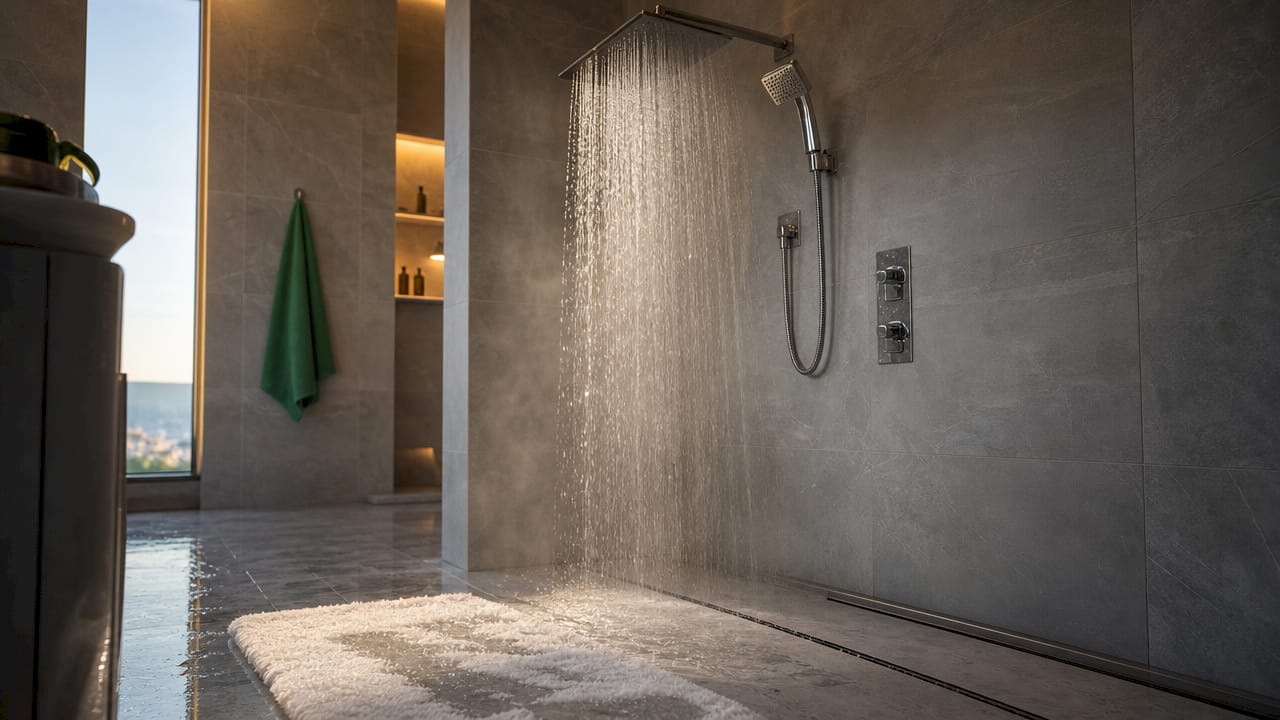
Chlorine in municipal tap water is a primary cause of skin sensitivity. Chlorine strips natural skin oils and disrupts the skin microbiome, leaving skin dry, itchy, and more reactive to other irritants. This is why people with sensitive skin often feel worse after a shower, even when they use gentle soap.
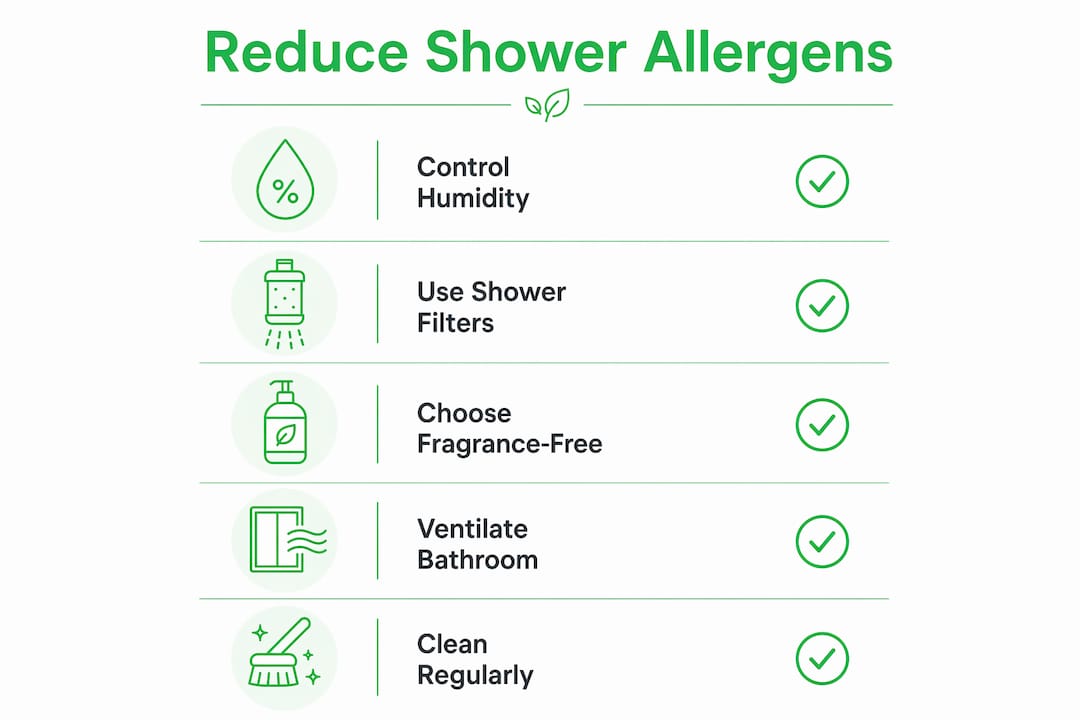
Certified shower filters are the most direct solution. Filters that meet the NSF/ANSI 177 standard provide reliable chlorine reduction. Basic sand or cotton filters offer minimal benefit by comparison. Multi-stage activated carbon filters that carry NSF/ANSI 177 certification are the category worth buying. Learning more about reducing chlorine in water can help you choose the right option for your bathroom.
Product ingredients are the other major trigger. Fragrances and preservatives in shower gels, shampoos, and soaps cause allergic contact dermatitis far more often than water itself. This misdiagnosis is common. Many people blame hard water when the real problem is a fragrance compound in their body wash.
Common irritants to avoid and what to use instead:
- Fragrances: Switch to fragrance-free cleansers and shampoos labeled “unscented” or “fragrance-free.”
- Preservatives like methylisothiazolinone: Check ingredient labels and choose products that list none.
- Sulfates (SLS/SLES): Replace with sulfate-free cleansers that do not foam aggressively.
- Antibacterial agents like triclosan: Use plain, gentle soap instead.
- Harsh exfoliants: Limit physical scrubs to twice weekly to avoid stripping the skin barrier.
Pro Tip: Use an elimination approach. Swap one product at a time for a fragrance-free version and wait two weeks. If symptoms improve, you have found your trigger. This method is more reliable than allergy testing for contact irritants.
If you have chlorine sensitivity, a certified filter combined with fragrance-free products addresses both the water and the product side of the problem simultaneously.
What is the ideal shower routine to minimize allergens?
A consistent shower routine built around dermatological guidance reduces both allergen exposure and skin barrier damage. The order and duration of your shower matter more than most people realize.
- Keep showers to 5–10 minutes. Dermatologists recommend lukewarm water and short duration to preserve the skin’s natural oils. Hot water accelerates oil loss and leaves skin more vulnerable to irritants.
- Wash hair first. Shampoo and conditioner residue rinses down your body during the shower. Washing hair first gives that residue time to rinse off before you apply body cleanser, reducing the chance of follicle irritation.
- Use a gentle, fragrance-free body cleanser. Apply it with your hands or a soft cloth rather than a loofah, which harbors mold and bacteria.
- Limit exfoliation to twice weekly. Exfoliate at the end of your shower so the skin is not exposed to other products afterward. Over-exfoliating strips the barrier and increases sensitivity.
- Pat dry, do not rub. Rubbing with a towel creates friction that irritates already-sensitized skin. Pat gently and leave skin slightly damp.
- Moisturize within 5 minutes of drying. Applying moisturizer immediately after showering locks in hydration before the skin surface dries completely. Look for ceramides, glycerin, or hyaluronic acid in the ingredient list.
These evidence-backed shower tips are the foundation of any effective allergen-reduction plan. The routine takes no longer than a standard shower but delivers significantly better results for sensitive skin.
Pro Tip: Keep your moisturizer on the bathroom counter, not in a cabinet. The closer it is to your towel, the more likely you are to apply it within that critical 5-minute window.
How to maintain long-term cleanliness and prevent allergen buildup
Routine cleaning prevents the mold, mildew, and dust mite populations that make shower allergens a recurring problem. Sporadic deep cleans are less effective than consistent weekly maintenance. Moisture management through surface wiping and ventilation prevents mold growth better than any cleaning product used alone.
Key maintenance habits to build into your weekly routine:
- Clean grout and tile weekly with a bleach-based or mold-inhibiting cleaner. Grout is the most common surface for mold colonization.
- Wash shower curtains monthly. Fabric curtains collect mold and soap residue. Replace plastic liners every one to two months.
- Launder bath mats weekly with fragrance-free detergent. Bath mats stay damp for hours after each shower and are a prime dust mite habitat.
- Replace towels every three to four uses. Damp towels breed bacteria and mold quickly in humid bathrooms.
- Leave the shower door or curtain open after use to allow air circulation inside the stall.
The table below summarizes cleaning frequency by bathroom item:
| Item | Cleaning frequency | Method |
|---|---|---|
| Grout and tile | Weekly | Bleach-based or mold-inhibiting cleaner |
| Shower curtain (fabric) | Monthly | Machine wash, fragrance-free detergent |
| Plastic shower liner | Every 1–2 months | Replace |
| Bath mat | Weekly | Machine wash, fragrance-free detergent |
| Towels | Every 3–4 uses | Machine wash, fragrance-free detergent |
| Exhaust fan cover | Monthly | Wipe with dry cloth |
Bathrooms without windows need extra help. A dehumidifier keeps humidity below 50% and removes the moisture that cleaning alone cannot address. A digital humidity monitor costs under $20 and tells you exactly when conditions favor allergen growth.
Key Takeaways
Reducing shower allergens requires controlling humidity, filtering chlorine from water, choosing fragrance-free products, and maintaining a consistent cleaning schedule.
| Point | Details |
|---|---|
| Control humidity first | Keep bathroom humidity between 30% and 50% using exhaust fans and a squeegee after every shower. |
| Filter your shower water | Use a certified NSF/ANSI 177 shower filter to reduce chlorine and protect your skin barrier. |
| Switch to fragrance-free products | Fragrances and preservatives in cleansers cause more reactions than water; eliminate them first. |
| Follow a short, lukewarm routine | Limit showers to 5–10 minutes with lukewarm water and moisturize within 5 minutes of drying. |
| Clean consistently, not occasionally | Weekly grout cleaning and monthly curtain washing prevent mold and dust mite buildup. |
What I have learned from years of watching people get this wrong
Most people who struggle with shower-related skin reactions spend months trying different soaps before they address the actual environment. The bathroom itself is the problem. A beautifully fragrance-free cleanser used in a moldy, high-humidity shower still exposes your skin to airborne spores and chemical residue every single day.
The post-shower transition is also underestimated. Rapidly moving from a warm, humid shower to a cooler, dry room triggers non-allergic skin reactions that look and feel exactly like an allergic response. Many people treat these reactions with antihistamines when the real fix is simply staying in the bathroom for a minute or two after turning off the water, letting your skin adjust gradually.
Shower filters changed the picture for a lot of people I have spoken with. The difference between an NSF/ANSI 177-certified multi-stage filter and a basic carbon block is not subtle. People with chlorine sensitivity who switch to a certified filter often notice softer skin and less scalp irritation within two weeks. That is not a placebo effect. Chlorine is genuinely harsh, and removing it from your daily water exposure adds up fast.
The combination that works is not complicated. Control the humidity, filter the water, use gentle products, and clean the space consistently. None of these steps is difficult on its own. The challenge is doing all four at once, because skipping any one of them leaves a gap that the others cannot fully cover.
— Sara
Vitacleanhq shower filters: a practical next step
Controlling shower allergens starts with the water itself, and Vitacleanhq builds filters specifically for that job.
Vitacleanhq’s Vitamin C shower filter shots meet NSF/ANSI 177 certification standards and neutralize chlorine before it contacts your skin. The filters fit both handheld and wall-mounted setups and install in minutes without tools. For ongoing protection, the filter refill plan delivers replacement cartridges on a schedule so your filtration never lapses. If you are ready to address the water quality side of shower allergen elimination, Vitacleanhq’s filter range is a direct, practical solution.
FAQ
What are the most common shower allergens?
The most common shower allergens are mold spores, dust mites, chlorine, and fragrance compounds in shower products. Mold and dust mites thrive in humid bathrooms, while chlorine and fragrances directly irritate the skin barrier.
How do I know if my shower products are causing reactions?
Switch one product at a time to a fragrance-free, hypoallergenic version and wait two weeks. If symptoms improve, the replaced product contained your trigger ingredient.
Do shower filters actually reduce allergens?
Certified shower filters that meet NSF/ANSI 177 reduce chlorine exposure, which is a primary cause of skin sensitivity and irritation. Basic filters without this certification offer minimal protection.
How often should I clean my shower to prevent allergens?
Clean grout and tile weekly with a mold-inhibiting cleaner and wash bath mats and fabric curtains monthly. Consistent weekly maintenance prevents mold colonization far better than occasional deep cleaning.
Can a short shower really make a difference for allergies?
Yes. Dermatologists recommend limiting showers to 5–10 minutes with lukewarm water to preserve the skin’s natural oils and reduce exposure to water contaminants. Shorter showers also produce less steam, which lowers bathroom humidity.